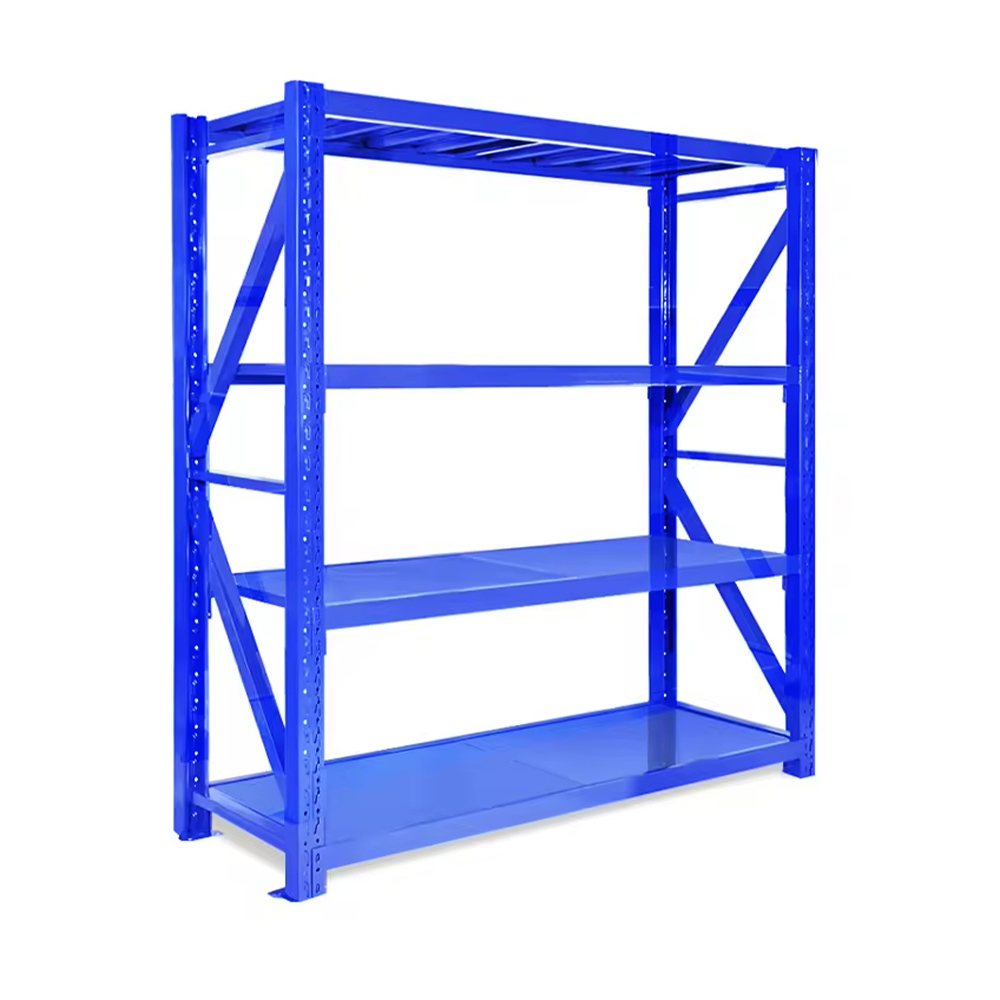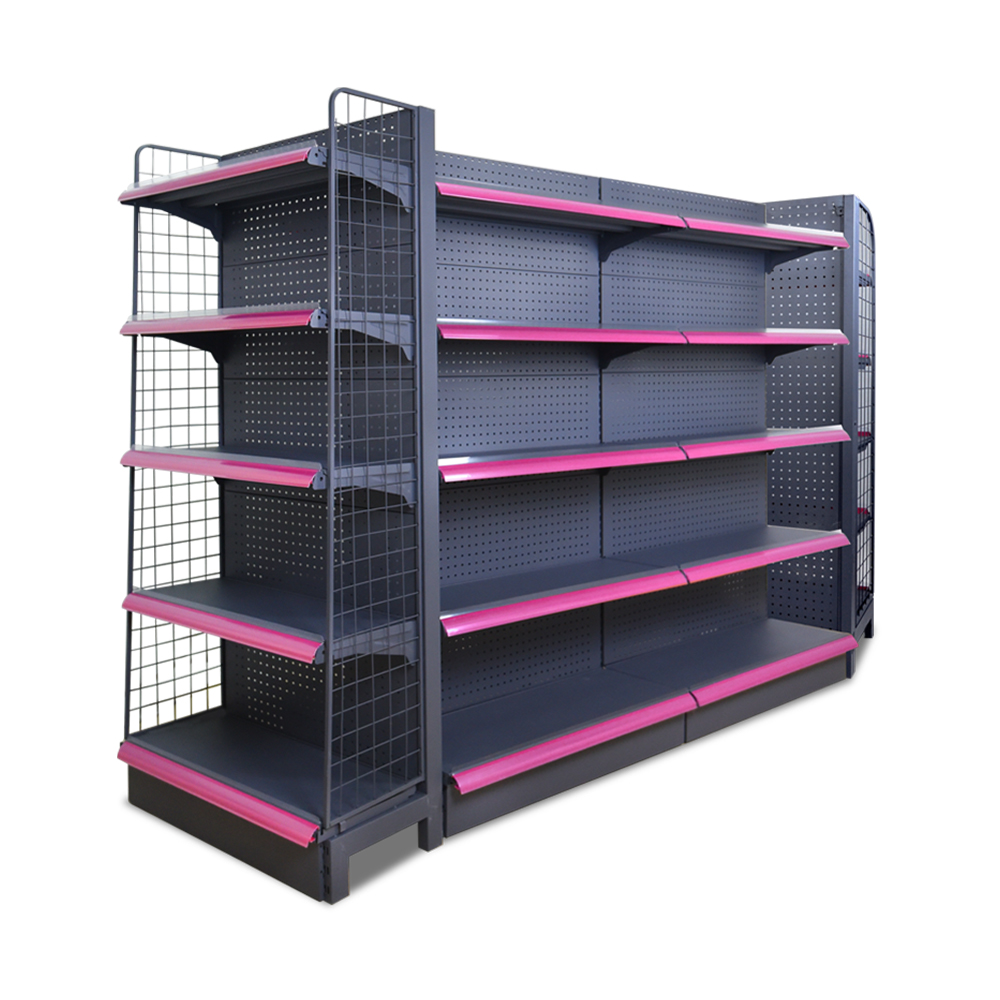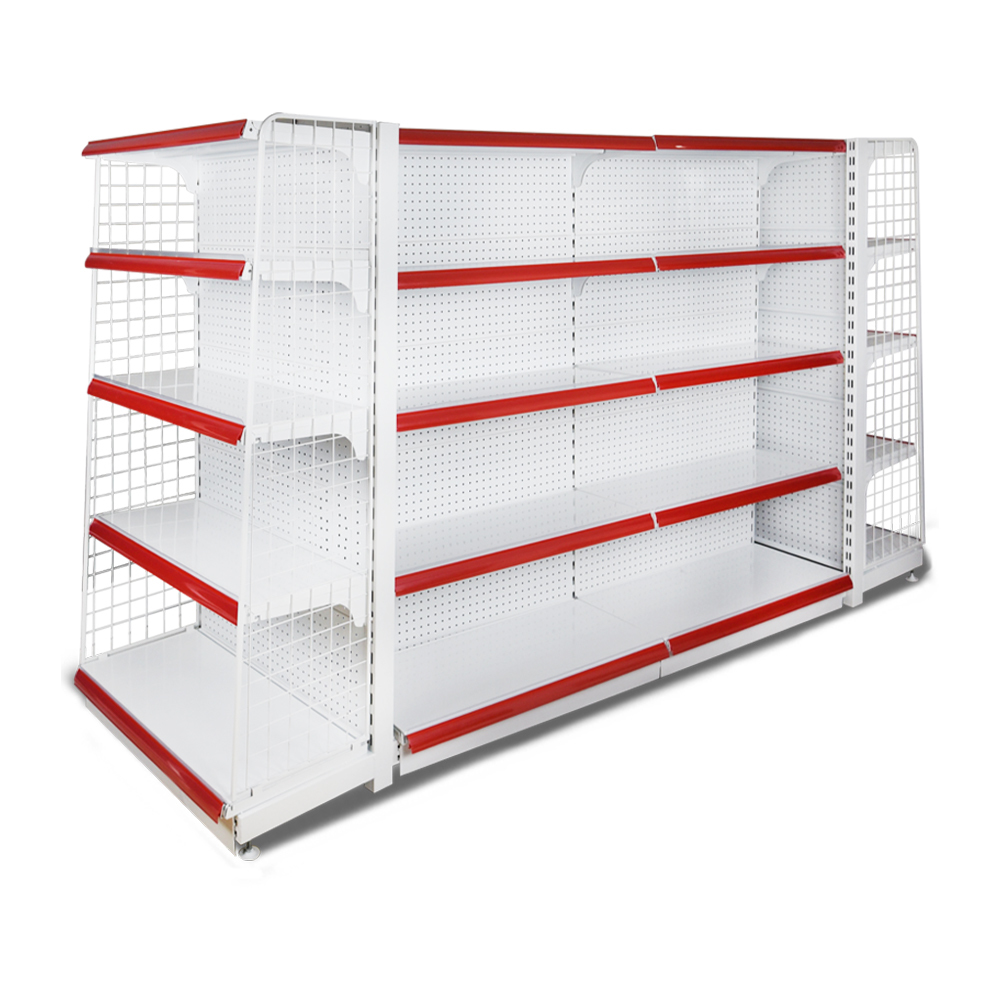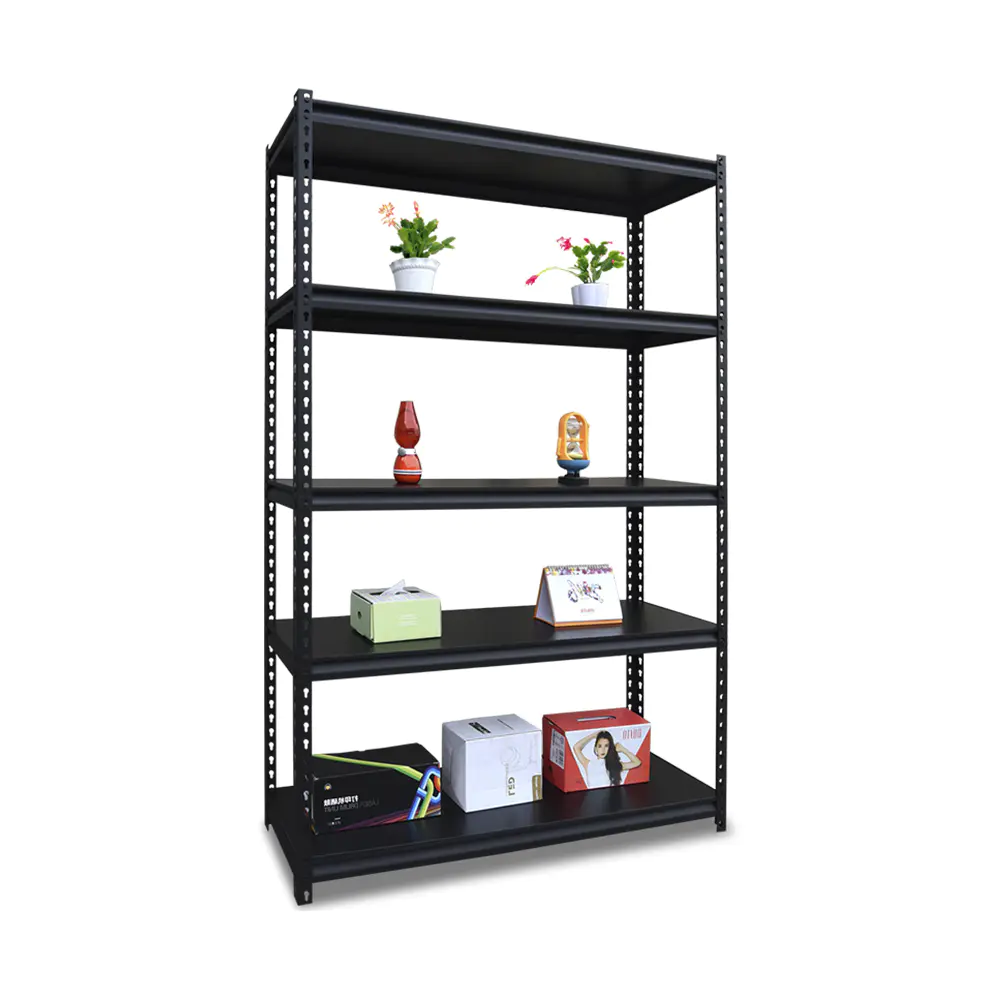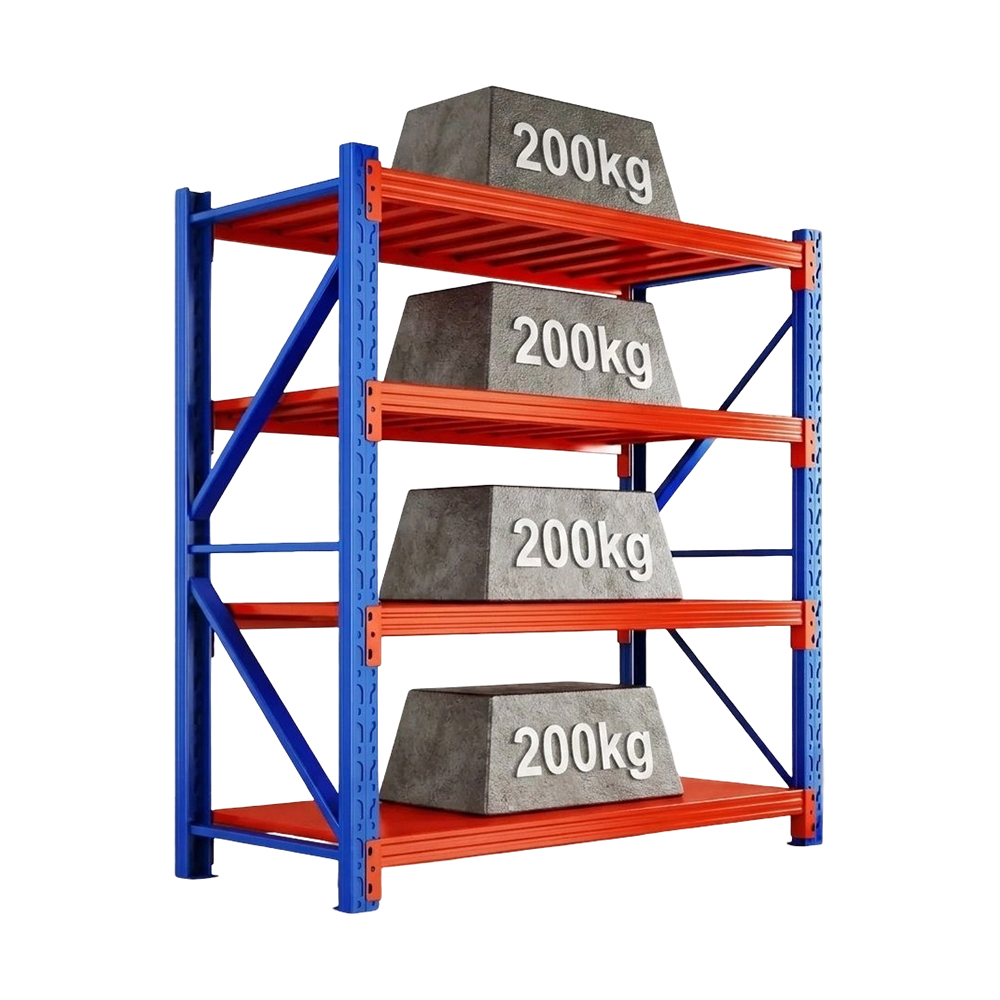
Efficient storage is no longer limited to large warehouses and industrial facilities. Homes, offices, retail stores, studios, workshops, and small commercial spaces all need shelving that uses available space intelligently while remaining safe, durable, adjustable, and affordable. Light-duty adjustable storage shelving provides a practical answer to these needs by combining vertical storage capacity with a compact footprint and a flexible configuration.
This type of shelving is designed for customers who need more than a basic household shelf but do not require a heavy-duty pallet racking system. It offers a useful middle ground: stronger and more adaptable than many ordinary furniture shelves, yet easier to install and more economical than large industrial storage equipment. With a load capacity of under 200 kilograms per layer, it can accommodate a wide range of products, supplies, household items, tools, cartons, files, and display merchandise.
The product is suitable for home organization, office storage, retail presentation, stockrooms, workshops, and light-duty warehouse applications. Its adjustable shelves make it possible to change the internal layout as storage requirements evolve. Its tool-free butterfly-hole upright system simplifies assembly, while the anti-rust treatment helps maintain a clean and professional appearance over time.
Manufactured by Shanghai King Global Shelf Co., Ltd., this adjustable storage shelving reflects the company’s experience in developing and producing storage equipment for international markets. Through integrated product development, manufacturing, quality control, and customer service, the company supplies standard and customized shelving solutions for different applications. Its production capabilities, technical team, export experience, and OEM and ODM services support customers that require consistent quality and flexible product adaptation.
Why Adjustable Storage Shelving Matters in Modern Spaces
Many storage problems are caused not by a lack of available floor area, but by poor use of vertical space. Items are often stacked on the floor, placed in unstable piles, or stored in cabinets that do not match their dimensions. These methods make products harder to find, increase the chance of damage, and reduce the usable capacity of a room.
Adjustable shelving changes the way a space is organized. Instead of spreading storage across a larger floor area, the rack uses vertical height to create several accessible levels. Each shelf becomes a separate storage zone, allowing users to group products by type, size, frequency of use, or destination. This improves visibility and makes daily organization more efficient.
For small apartments and studios, vertical shelving can create valuable storage without occupying too much walking space. In offices, it can organize documents, stationery, equipment, and supplies. In retail stores, it can display products in a neat and accessible arrangement. In small warehouses, it can support inventory storage and help employees locate goods more quickly.
The adjustable design is especially important because storage needs are rarely fixed. A household may need space for seasonal clothing one month and small appliances or household supplies the next. A retailer may change its product assortment. An office may receive new equipment or move to a different layout. A fixed shelf can become inconvenient in these situations, while an adjustable rack can be reconfigured to suit changing conditions.
Product Overview and Core Specifications
The light-duty adjustable storage rack is a modular metal shelving system intended for flexible storage in residential, commercial, and light industrial environments. Its structure uses upright frames and adjustable shelf levels, allowing the user to create a layout suited to the stored items.
| Feature | Specification or Benefit |
|---|
| Product type | Light-duty adjustable storage shelving |
| Recommended applications | Homes, offices, retail stores, stockrooms, workshops, studios, and small warehouses |
| Load capacity | Under 200 kilograms per layer, depending on configuration and loading conditions |
| Adjustment system | Butterfly-hole uprights with height-adjustable shelves |
| Assembly | Tool-free installation design for faster setup |
| Surface treatment | Acid pickling and powder coating for corrosion resistance and a clean finish |
| Structural concept | Main and sub-frame expandable structure |
| Storage advantage | Vertical space utilization and flexible shelf positioning |
| Relocation | Can be disassembled and reassembled for moving or layout changes |
| Customization | Suitable for OEM and ODM development according to project requirements |
The stated load capacity should always be considered together with the shelf dimensions, material specification, installation quality, floor condition, and load distribution. Items should be distributed evenly across each shelf, and the rack should be assembled on a stable, level surface. Users should also follow the supplier’s installation and safe-loading guidance.
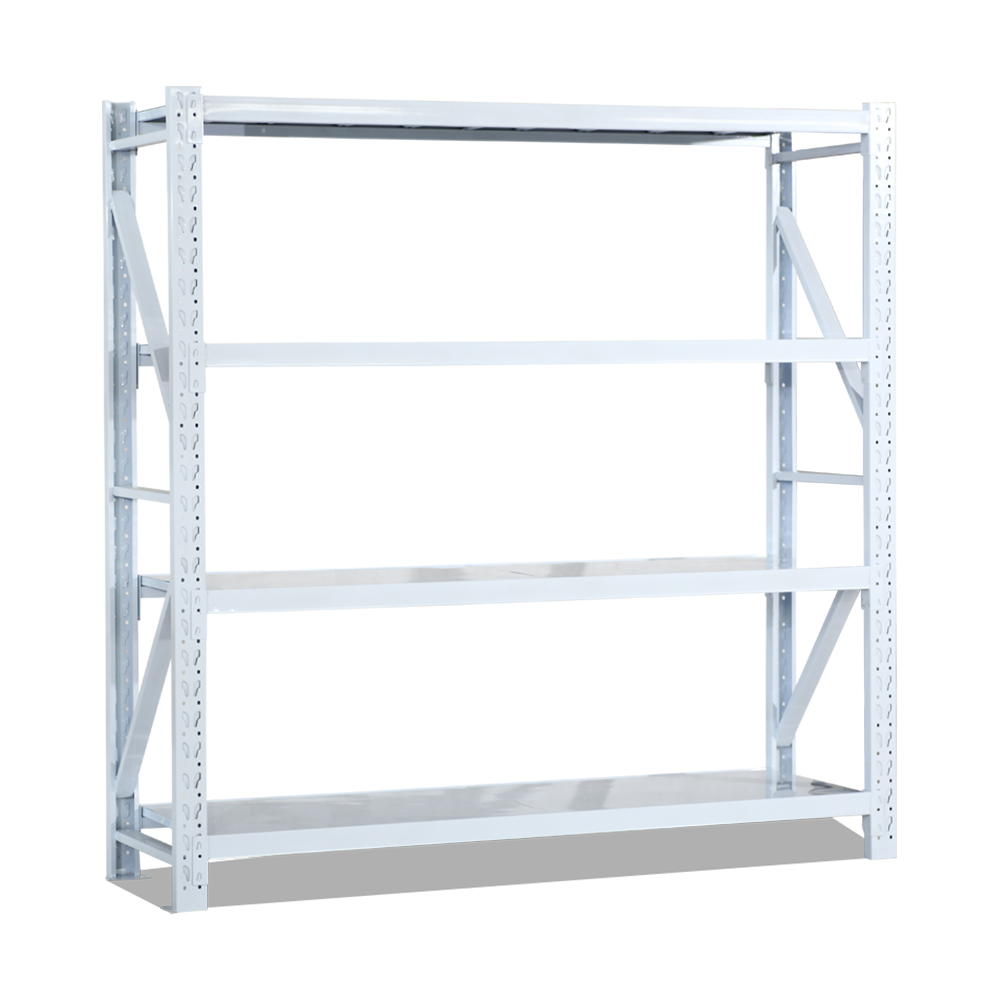
Light-Duty Adjustable Storage Shelving for Home, Office & Retail
Space-Saving Vertical Storage
One of the most valuable advantages of this shelving system is its ability to expand storage upward rather than outward. This is particularly useful in locations where floor space is limited or expensive. A compact rack can create multiple storage levels while leaving more room for movement, workstations, customer access, or other furniture.
In a small apartment, the rack can be placed in a utility room, kitchen, bedroom, entryway, garage, or storage corner. It can hold cookware, food containers, cleaning products, books, tools, folded clothing, shoes, and household supplies. Because the shelves are open, users can see the stored contents quickly without opening several doors or moving large boxes.
In an office, vertical shelving can be used for archived files, printer supplies, packaging materials, promotional products, and shared equipment. It can also create organized storage in meeting rooms, copy rooms, reception areas, and back offices. By giving each category a defined shelf, the rack helps reduce clutter and supports a more efficient working environment.
Retail stores benefit from the same principle. A vertical shelf can display products at different heights, increasing the amount of merchandise presented in a limited area. It can be used in sales areas, stockrooms, convenience stores, specialty shops, and small supermarkets. The open design makes stock checking and replenishment more convenient.
Small warehouses and workshops often need a practical system for cartons, spare parts, tools, packaging, and materials. Heavy industrial racking may be unnecessary for these applications, while ordinary household furniture may not provide sufficient strength. Light-duty adjustable shelving offers a balanced alternative with a straightforward structure and useful capacity.
Flexible Shelf Adjustment for Changing Needs
A fixed shelving unit is designed around one arrangement. If the stored products change, the space between shelves may become too small or too large. This creates wasted vertical space and can force users to stack products inefficiently. Adjustable shelving eliminates much of this problem by allowing shelf levels to be repositioned.
The butterfly-hole upright design provides a series of connection points along the vertical frame. Shelves can be installed at different heights according to the size of cartons, containers, appliances, tools, documents, or display products. Users can create more shelf levels for smaller items or fewer levels for taller products.
This flexibility is useful for mixed inventory. For example, a retail stockroom may need to store small packages on the upper levels and larger cartons on the lower levels. An office may keep files on one shelf and computer accessories on another. A home user may combine baskets, boxes, kitchen equipment, and cleaning supplies within one rack.
Adjustability also supports long-term value. When the customer’s needs change, the rack can be reorganized instead of replaced. This reduces the cost and inconvenience associated with buying new furniture or storage equipment. It also allows the same shelving unit to follow a business through layout changes, relocation, product expansion, or seasonal adjustments.
Tool-Free Assembly and Reconfiguration
The tool-free installation structure is another important advantage. Conventional shelving may require multiple tools, complex fasteners, and extensive assembly time. A tool-free design makes setup more accessible for homeowners, office staff, shop owners, and warehouse teams who may not have specialized installation equipment.
The butterfly-hole connection system is designed to simplify the joining of shelves and uprights. When the rack needs to be moved, the structure can be disassembled and assembled again in a new location. This is useful during home renovations, office moves, retail remodeling, warehouse rearrangement, or changes in rental premises.
Simple installation does not mean that safety can be overlooked. The rack should be assembled according to the supplier’s instructions, and all structural connections should be checked before use. The floor should be level, shelves should be properly seated, and loads should be placed evenly. Where required by the application, additional stability measures should be considered.
Durable Surface Treatment and Easy Maintenance
Storage equipment is exposed to dust, humidity, handling, friction, and occasional spills. A suitable surface treatment helps protect the metal structure and improves the service life of the product. This shelving system uses acid pickling followed by powder coating as part of its anti-rust finishing process.
Acid pickling helps clean the metal surface by removing impurities, oxidation, and residues that may interfere with coating adhesion. Preparing the surface correctly is an important step because the quality of the final coating depends not only on the powder material, but also on the condition of the metal beneath it.
Powder coating provides a consistent finish with a professional appearance. It creates a protective surface that is easier to clean than untreated metal. In normal indoor applications, users can maintain the rack by wiping it with a dry or slightly damp cloth. This is convenient for homes, offices, retail environments, and stockrooms where clean presentation matters.
The coated surface also supports a longer product life by helping reduce the effects of ordinary indoor exposure. However, no surface treatment makes metal completely immune to severe environmental conditions. The shelving should be kept away from prolonged exposure to standing water, aggressive chemicals, excessive humidity, and outdoor weather unless the product has been specifically configured for those conditions.
Safe and Practical Daily Use
A stable structure and carefully finished edges contribute to safer everyday handling. Rounded or smoothly finished edges can reduce the risk of accidental scrapes and bumps during routine use. This is especially valuable in homes with children, busy offices, retail stores, and compact work areas where people may move around the shelving frequently.
Open shelving also improves visibility. Users can identify stored items without opening doors or reaching into deep cabinets. This reduces unnecessary handling and makes it easier to monitor stock levels. In a commercial setting, clear visibility can support faster picking, replenishment, and inventory checks.
For safe operation, heavy goods should generally be positioned on lower shelves, while lighter products may be placed higher. Shelves should not be overloaded, and goods should not project dangerously beyond the shelf edges. If the rack is tall or installed in an area with frequent traffic, the user should evaluate whether anchoring or other stability measures are appropriate.
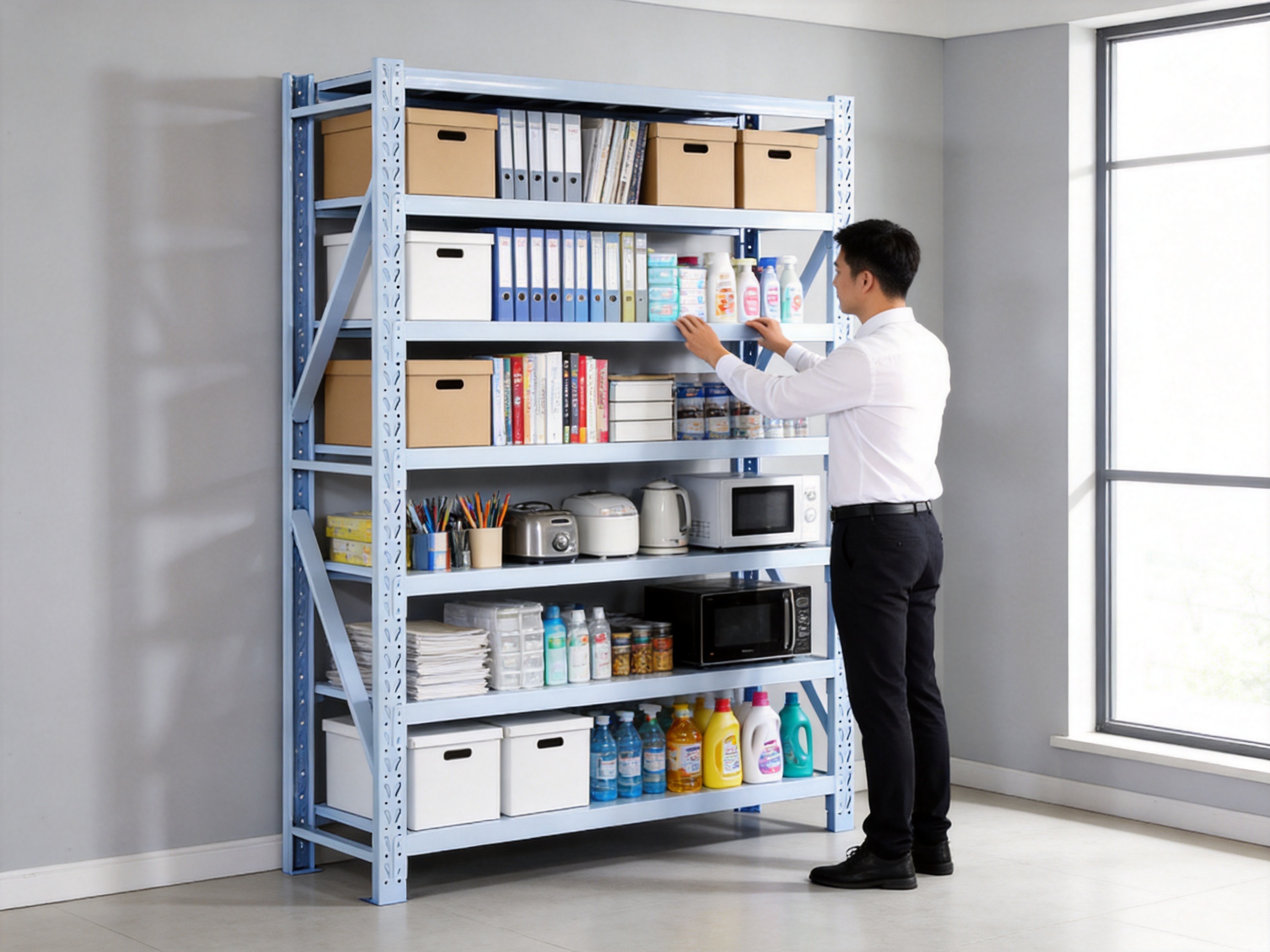
Advantages Over Conventional Competitor Products
Light-duty adjustable shelving competes with several categories of storage products, including basic household bookcases, fixed metal cabinets, plastic shelving, welded commercial racks, and heavier industrial systems. Each alternative may have a suitable application, but the adjustable metal rack offers a combination of features that can provide stronger overall value for flexible storage requirements.
Compared with Basic Household Furniture
Ordinary household shelves are often designed primarily for appearance. They may have limited load capacity, fixed shelf positions, or materials that are vulnerable to moisture and impact. They can work well for decorative items, but they may not be suitable for cartons, tools, appliances, or commercial inventory.
The adjustable metal shelving system is designed with storage performance in mind. Its vertical uprights, adjustable shelf levels, and protective coating make it more appropriate for practical organization. It can support a broader range of item types while maintaining a clean and functional appearance.
Compared with Fixed Shelving
Fixed shelving can be inconvenient when product dimensions vary. Users may need to leave large gaps above stored items or place smaller goods in unstable stacks. Adjustable shelves provide better use of internal volume because the distance between levels can be matched to actual product heights.
This flexibility is a direct benefit for households and businesses with changing inventories. It reduces the need to purchase different furniture for different storage categories and supports more efficient use of the same footprint.
Compared with Plastic Shelving
Plastic shelving is lightweight and may be useful for damp locations or very light items. However, it may deform under heavier loads, become brittle with age, or offer less structural rigidity. Metal shelving generally provides a stronger framework and a more professional appearance for offices, stores, and stockrooms.
The metal construction also allows the rack to serve more demanding light-duty applications. With a stated capacity of under 200 kilograms per layer, it offers a level of storage strength that many basic plastic units cannot match, provided that loading and installation conditions are appropriate.
Compared with Welded Commercial Racks
Welded racks can provide solid performance, but they may be difficult to transport, install, or modify. Their fixed dimensions can become a limitation when the user changes the layout or moves to a new site. A modular, tool-free shelving system is easier to deliver, assemble, disassemble, and reconfigure.
This is particularly valuable for small businesses, renters, temporary facilities, and companies that frequently adjust their operating spaces. The ability to relocate the rack without damaging its structure contributes to long-term usability.
Compared with Heavy-Duty Industrial Racking
Heavy-duty pallet racking is appropriate for large warehouses, forklifts, pallets, and high-capacity industrial storage. However, it can be excessive for home, office, retail, and small stockroom applications. It may require more space, more complicated installation, and higher investment.
Light-duty adjustable shelving provides a more proportionate solution where the stored items are smaller and the operational requirements are simpler. It offers useful capacity and modularity without introducing unnecessary infrastructure for a modest storage project.
| Storage Option | Main Strength | Common Limitation | Best-Fit Application |
|---|
| Basic household shelf | Decorative appearance and simple use | Often limited in load capacity and adjustment | Light home organization |
| Plastic shelving | Low weight and easy cleaning | May have lower rigidity and durability | Very light items and selected utility areas |
| Fixed metal shelf | Stable metal structure | Limited flexibility when item sizes change | Consistent product storage |
| Light-duty adjustable rack | Adjustable, modular, relocatable, and practical | Not intended for palletized heavy industrial loads | Homes, offices, retail, stockrooms, and workshops |
| Heavy-duty pallet rack | High capacity for pallets and industrial handling | Higher cost, space requirement, and installation complexity | Large warehouses and distribution centers |
Main and Sub-Frame Expandable Structure
The main and sub-frame expandable structure is designed to improve space utilization and reduce cost. Instead of treating every shelf unit as a completely independent structure, the system can be planned with a primary frame and additional connected sections where appropriate.
This approach is valuable for businesses that expect gradual growth. A small shop or stockroom may begin with one shelving section and add more sections as inventory expands. The expandable concept helps maintain a consistent storage layout without requiring a complete replacement of the original system.
It can also reduce unnecessary duplication of structural components. Depending on the final configuration and engineering requirements, shared or connected frame elements may help use materials more efficiently. This can support a more economical project while preserving a neat and organized appearance.
Expandable shelving is useful in long rooms, narrow stockrooms, retail back areas, office archives, and workshop walls. It allows the customer to plan storage according to the available space rather than being restricted to a single standard arrangement. The final design should consider aisle width, access requirements, shelf dimensions, ceiling height, floor condition, and the nature of the stored goods.
Applications Across Different Environments
Home Storage
At home, the rack can help organize kitchens, garages, laundry areas, bedrooms, utility rooms, balconies with suitable protection, and storage closets. It can hold boxes, tools, clothing containers, books, small appliances, cleaning supplies, toys, and household goods.
Because the shelves can be adjusted, the rack can accommodate both low-profile containers and tall appliances. Users can create a dedicated shelf for frequently used items and reserve upper levels for seasonal or less frequently accessed products. The open structure also makes it easier to see what is available and avoid buying duplicate household supplies.
Office Organization
Office users can place the shelving in document rooms, supply rooms, printer areas, staff rooms, and small warehouses. It can support paper products, archive boxes, stationery, packaging materials, spare equipment, and promotional merchandise.
Organized office storage improves workflow by reducing time spent searching for supplies. It can also make shared storage more accountable because each shelf can be assigned to a department, project, or product category. The clean powder-coated finish is suitable for professional environments where equipment must look orderly.
Retail Display and Stock Storage
Retailers need shelving that can present goods clearly while also supporting efficient replenishment. Adjustable shelves allow the display to be modified according to product packaging, seasonal campaigns, and merchandise rotation.
The rack can be used as a back-of-store stock unit, a small product display, or a supplementary shelf in a shop. In a stockroom, its open structure supports quick visual checks. In a sales area, it can provide a simple and adaptable display solution for packaged goods, accessories, household products, tools, and other merchandise.
Workshops and Small Warehouses
Workshops often contain items of many different sizes, including hand tools, spare parts, components, containers, and consumables. Adjustable shelving allows these materials to be separated into accessible categories. This can reduce clutter around workbenches and create safer walking paths.
Small warehouses can use the system for non-palletized products, cartons, replacement parts, order preparation, and light inventory storage. It is particularly useful when products are handled manually rather than by forklift. The rack should be selected and configured according to the weight, dimensions, frequency of access, and handling method required by the operation.
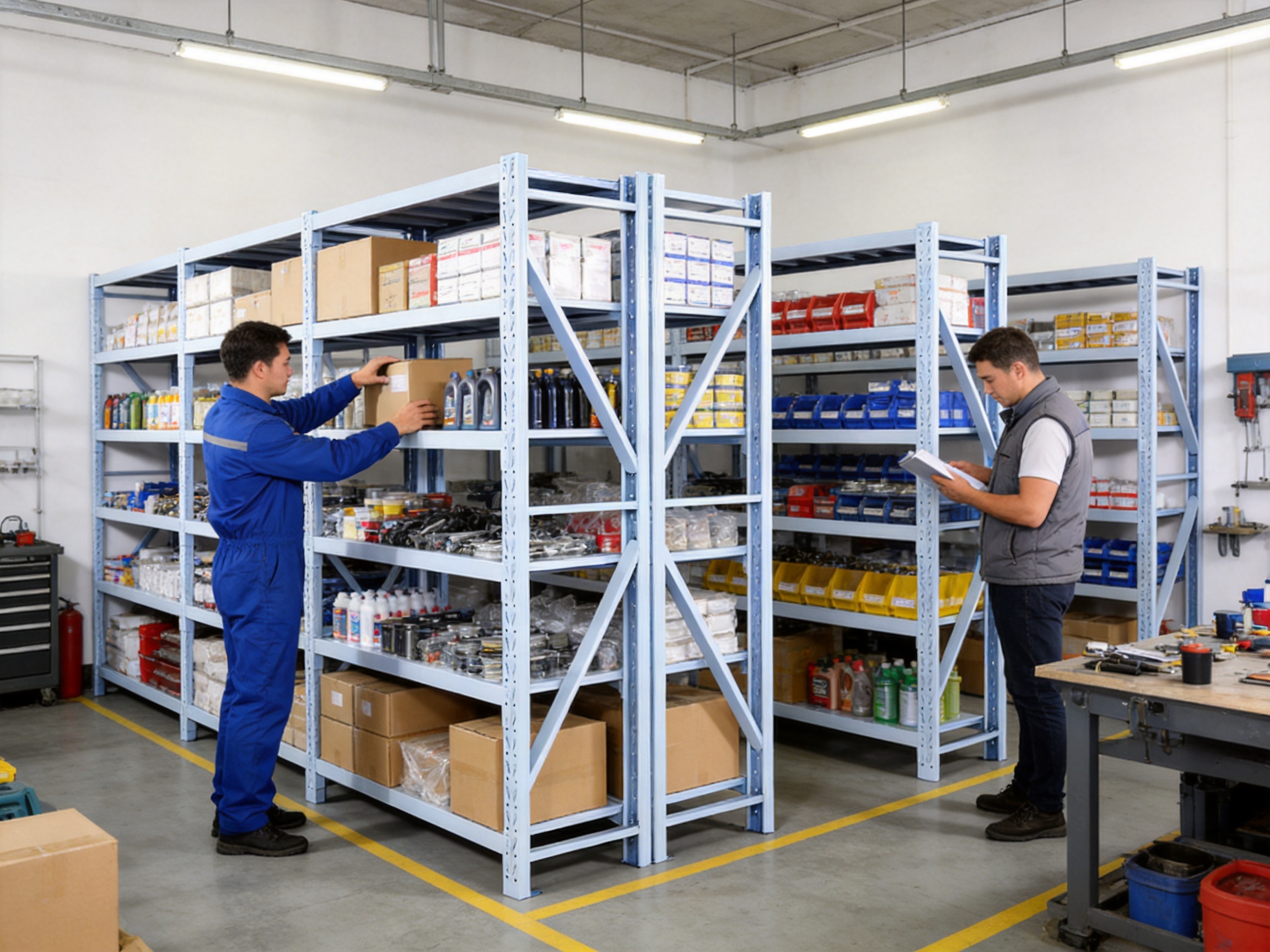
Manufacturing Strengths and Quality Approach
The performance of a storage rack depends not only on its visible design, but also on the manufacturing process behind it. Consistent dimensions, reliable connections, appropriate material preparation, accurate coating, and effective quality control all contribute to the final product’s usability.
Shanghai King Global Shelf Co., Ltd. has specialized in shelving and storage products since 2010. The company operates an integrated system covering product development, manufacturing, quality control, and market service. This structure allows the company to manage the product lifecycle more directly, from initial design and engineering communication to production and customer support.
The company operates a 60,000-square-meter production base and has more than 300 employees. This scale provides a foundation for handling standard product orders as well as customized projects. A professional technical team can work with customers to understand application requirements, product dimensions, loading expectations, finish preferences, and market-specific needs.
Product Development and Engineering Coordination
Product development is an important part of producing practical storage equipment. A shelving design must balance capacity, material use, assembly convenience, stability, appearance, transport efficiency, and cost. The company’s development process supports the adaptation of storage products for supermarkets, warehouses, offices, homes, and other commercial environments.
For OEM and ODM projects, customers may require changes to dimensions, shelf spacing, frame design, surface finish, packaging, branding, or installation instructions. A manufacturer with product development capability can coordinate these requirements more efficiently than a trading organization that only resells standard products.
Engineering communication is also important when a customer has a specific room layout or storage challenge. The supplier can help evaluate the number of sections, shelf levels, approximate loading needs, and expansion possibilities. Final technical recommendations should be confirmed according to the actual project conditions.
Metal Preparation and Powder Coating
The acid-pickling and powder-coating process is a meaningful part of the product’s manufacturing quality. Surface preparation helps remove contaminants and create a better base for the protective finish. Powder coating then provides a consistent layer that supports corrosion resistance, clean appearance, and easier maintenance.
For customers purchasing shelving in quantity, consistency between batches is essential. Similar color, surface texture, dimensions, and connection quality help maintain a uniform appearance across multiple rooms or stores. A structured quality-control process can help reduce variation and identify problems before products are shipped.
Manufacturing and Quality Control
Reliable storage equipment requires attention to material quality, forming accuracy, welding or connection quality where applicable, shelf flatness, coating coverage, packaging, and final inspection. Quality control should be applied at multiple stages rather than only at the end of production.
During manufacturing, components can be checked against design specifications. Finished products can be inspected for visible defects, assembly compatibility, coating condition, and packaging protection. For project orders, the customer may also request sample approval or agreed inspection standards before mass production.
These practices support stable product delivery for international customers. They are especially valuable when shelving is shipped over long distances and assembled at the destination by local teams or end users. Clear components, reliable packaging, and consistent instructions can make installation more efficient.
OEM and ODM Capabilities for Different Markets
Storage requirements vary by country, industry, building type, and customer segment. A home user may prefer compact shelving with a simple appearance, while a retailer may need a coordinated display system. A warehouse customer may require a particular width, depth, shelf load, or expansion plan.
OEM services allow customers to purchase products manufactured according to their specifications or market requirements. ODM services go further by supporting product development and adaptation. These options are useful for distributors, importers, retailers, project contractors, and brands that want storage products aligned with their own business strategy.
Customization may involve shelf dimensions, frame height, number of levels, coating color, packaging design, labels, assembly instructions, or product combinations. The feasibility of each request depends on order quantity, tooling, material availability, engineering requirements, and production scheduling.
Shanghai King Global Shelf Co., Ltd. supplies customers across North America, Southeast Asia, Japan, South Korea, the Middle East, Europe, and other regions. International experience can help the company understand different packaging expectations, communication requirements, market preferences, and distribution models.
Installation and Configuration Recommendations
Before installation, users should confirm the available floor area, ceiling clearance, access routes, intended shelf spacing, and stored item dimensions. Planning the layout in advance reduces the need for repeated adjustment and helps ensure that the rack does not obstruct doors, windows, electrical equipment, emergency routes, or work areas.
The floor should be stable and reasonably level. Components should be checked for shipping damage before assembly. The uprights, shelves, and connectors should be assembled according to the supplied instructions, and each shelf should be properly seated before loading.
Users should begin with heavier items on lower levels and lighter products on upper levels. Loads should be spread across the shelf rather than concentrated at one point. Frequently accessed products should be positioned at convenient heights, while seasonal or less frequently used products can be stored higher.
After assembly, the rack should be inspected for movement, unevenness, loose connections, or interference with nearby objects. Periodic checks are recommended, especially after relocation, reconfiguration, or the addition of new sections. If the rack is used in a busy commercial or work environment, the customer should evaluate whether floor anchoring or other stability measures are needed.
Maintenance for Long-Term Performance
Routine maintenance is simple when the rack is used indoors under normal conditions. Dust can be removed with a soft cloth, and the surface can be wiped with a slightly damp cloth when necessary. Any moisture should be removed rather than left to remain on the metal surface.
Spills should be cleaned promptly, particularly if they contain chemicals, salts, oils, or other substances that may affect the coating. Harsh abrasive cleaners and tools should be avoided because they can scratch the protective surface. Damaged areas should be monitored and addressed according to the supplier’s recommendations.
Users should periodically inspect shelf connections, upright frames, surface condition, and load distribution. If a shelf becomes visibly bent or a connection becomes unstable, the affected section should be unloaded and evaluated before further use. Proper maintenance protects the investment and helps preserve the rack’s appearance.
Cost Efficiency and Long-Term Value
Price is important, but the lowest initial purchase price does not always represent the lowest total cost. A storage system that cannot be adjusted, moved, repaired, or expanded may require replacement when needs change. This creates additional costs for new equipment, labor, delivery, and disposal.
The adjustable rack supports value in several ways. Its vertical design increases storage capacity within a limited footprint. Its adjustable shelves reduce the need for separate units with different shelf heights. Its tool-free structure can reduce installation effort. Its relocatable design allows continued use after a move or layout change. Its expandable frame concept can support future growth.
The anti-rust coating and easy-clean surface also contribute to value by reducing maintenance demands. When the rack remains presentable and functional over time, it can serve multiple purposes instead of being replaced for minor appearance or configuration issues.
For distributors and commercial buyers, standardized products can simplify purchasing and inventory planning. OEM and ODM options may help create differentiated offerings for specific markets. A manufacturer with integrated production and quality control can also support more consistent supply across repeated orders.
How to Select the Right Configuration
The first consideration is the type of goods to be stored. Customers should identify whether the rack will hold documents, cartons, tools, household items, packaged products, equipment, or mixed inventory. The dimensions and weights of these items will influence shelf spacing and the required number of levels.
The second consideration is the available room. Measure the length, width, and height of the installation area. Leave adequate space for people to enter, remove products, and carry out routine cleaning. If the rack will be installed near doors, counters, or machinery, confirm that the shelves will not interfere with normal operation.
The third consideration is the expected loading pattern. A rack that holds evenly distributed cartons may have different requirements from one that holds concentrated equipment. Users should communicate actual loading conditions to the supplier rather than relying only on approximate estimates.
The fourth consideration is future expansion. If inventory is expected to increase, customers should discuss the main and sub-frame expandable structure during the planning stage. This can help create a consistent layout and avoid purchasing a system that cannot be extended later.
The fifth consideration is the intended market and appearance. Homes and offices may favor a clean, unobtrusive finish, while retail stores may require a coordinated appearance across several sections. Distributors may also require specific packaging, labels, or assembly documentation for their customers.
| Selection Question | Why It Matters |
|---|
| What items will be stored? | Determines shelf spacing, depth, and loading requirements. |
| How much does each item weigh? | Helps confirm whether the light-duty capacity is suitable. |
| How tall is the available room? | Determines the usable vertical configuration. |
| How often will items be accessed? | Guides the placement of frequently used goods. |
| Will the inventory change? | Supports the decision to use adjustable shelves. |
| May the rack be moved later? | Highlights the value of disassembly and reassembly. |
| Will more sections be added? | Helps determine whether an expandable frame arrangement is appropriate. |
| Is a customized product required? | Indicates whether OEM or ODM cooperation should be discussed. |
Q&A: Frequently Asked Questions
Q1: What is this shelving system mainly used for?
This shelving system is intended for light-duty storage in homes, offices, retail stores, stockrooms, workshops, studios, and small warehouses. It is suitable for cartons, household goods, office supplies, tools, packaged products, documents, spare parts, and other manually handled items.
Q2: How much weight can each shelf support?
The stated capacity is under 200 kilograms per layer. Actual performance depends on the shelf size, material configuration, installation quality, floor condition, and how the load is distributed. Customers should confirm project-specific requirements with the supplier before ordering.
Q3: Can the shelf height be changed after installation?
Yes. The butterfly-hole upright design allows the shelf levels to be adjusted. This makes it possible to accommodate different item heights and reorganize the rack when storage needs change.
Q4: Does assembly require special tools?
The product uses a tool-free installation concept. This is intended to simplify assembly and reconfiguration. Users should still follow the supplied instructions carefully and confirm that all shelves and connections are correctly seated before loading.
Q5: Can the rack be moved to another room or building?
Yes. The lightweight yet sturdy structure can be disassembled and reassembled, making it suitable for relocation. This is useful for home moves, office changes, retail remodeling, and warehouse layout adjustments.
Q6: Is the shelving suitable for outdoor use?
The product is primarily intended for indoor applications. Its acid-pickling and powder-coating treatment helps resist ordinary indoor corrosion, but prolonged exposure to rain, standing water, severe humidity, or aggressive chemicals may require a different specification.
Q7: How should the rack be maintained?
Users can remove dust with a soft cloth and wipe the surface with a slightly damp cloth when needed. Spills should be cleaned promptly, and abrasive cleaners should be avoided. Periodic inspection of shelves, frames, and connections is recommended.
Q8: Can the shelving be used in a retail store?
Yes. It can function as a stockroom rack, supplementary display shelf, or organized storage unit. Adjustable levels make it easier to accommodate different product packages and seasonal merchandise.
Q9: Is the rack suitable for pallet storage?
This product is categorized as light-duty shelving and is not a replacement for heavy-duty pallet racking. It is intended for manually handled items and non-palletized storage. Customers requiring pallet storage should request a suitable pallet-racking system.
Q10: What is the benefit of the main and sub-frame expandable structure?
The expandable structure can help customers extend storage in stages, use space efficiently, and reduce unnecessary structural duplication. It is useful for businesses that expect inventory growth or want a coordinated multi-section layout.
Q11: Does the manufacturer provide customized solutions?
Shanghai King Global Shelf Co., Ltd. provides standard products as well as OEM and ODM services. Customization may include dimensions, shelf levels, finishes, packaging, labeling, and other project details, subject to technical and order requirements.
Q12: Which regions can the company supply?
The company exports products to North America, Southeast Asia, Japan, South Korea, the Middle East, Europe, and other regions. Customers should confirm shipping arrangements, documentation, packaging, and delivery terms for their specific project.
Conclusion
Light-duty adjustable storage shelving offers a practical balance of strength, flexibility, ease of installation, and cost efficiency. Its vertical design helps maximize limited space, while adjustable shelves make it suitable for items with different dimensions. The butterfly-hole upright system supports tool-free assembly and convenient reconfiguration, and the anti-rust treatment helps the rack remain clean and serviceable in normal indoor environments.
Compared with basic household furniture, plastic shelving, fixed racks, and oversized industrial systems, this product provides a versatile solution for homes, offices, retail stores, workshops, stockrooms, and small warehouses. Its ability to be relocated, expanded, and adapted to changing storage requirements increases its long-term value.
The manufacturing strengths of Shanghai King Global Shelf Co., Ltd. further support the product’s market potential. With experience dating from 2010, a 60,000-square-meter production base, more than 300 employees, integrated product development and manufacturing, quality-control capabilities, and OEM and ODM services, the company is equipped to support both standard orders and customized storage projects.
For customers seeking an organized, adjustable, and durable shelving solution without the complexity of heavy industrial racking, this light-duty system is a strong option. Proper selection, installation, loading, and maintenance will help users obtain the best performance and create a storage environment that remains efficient as their needs evolve.
References
1. International Organization for Standardization. Principles of Quality Management Systems and Continuous Improvement.
2. International Labour Organization. Workplace Safety and Good Practices for Storage Areas.
3. Occupational Safety and Health Administration. Recommended Practices for Material Storage and Handling.
4. Powder Coating Institute. General Principles of Powder-Coating Surface Preparation and Application.
5. Material Handling Industry. General Guidance for Warehouse Storage Planning and Rack Safety.
6. Shanghai King Global Shelf Co., Ltd. Product Information for Light-Duty Adjustable Storage Shelving.
7. Shanghai King Global Shelf Co., Ltd. Corporate Manufacturing and Company Information.


 English
 Español
 русский
 Français
 한국어
 عربى
 ไทย
 Deutsch
 Bahasa Melayu
 Português
 Polskie