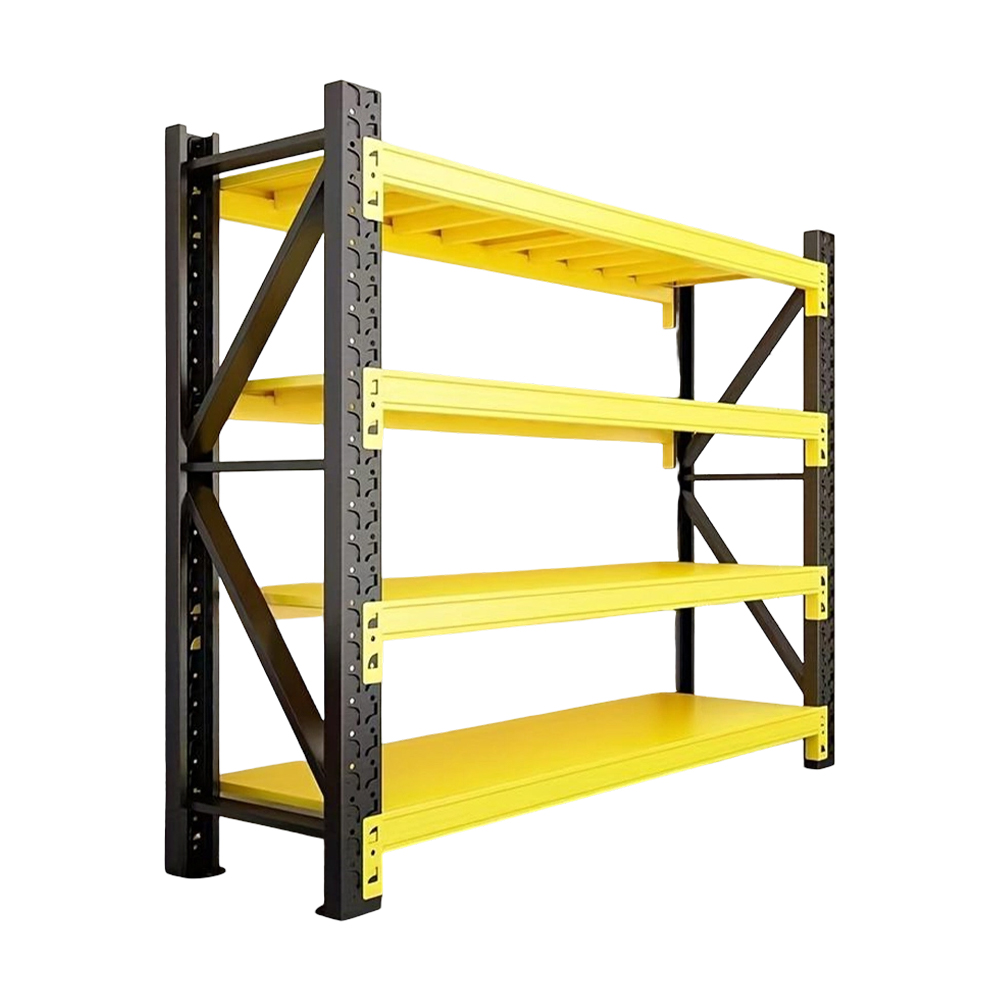
Storage needs are changing in homes, garages, workshops, pantries, utility rooms, retail stockrooms, and small commercial spaces. People want shelving that can carry meaningful weight without looking or behaving like heavy industrial equipment. They also want products that are simple to assemble, easy to relocate, resistant to everyday moisture, and adaptable when the contents of a room change. A light duty rack designed around these practical needs can offer a more useful balance between strength, convenience, appearance, and cost than ordinary household shelving.
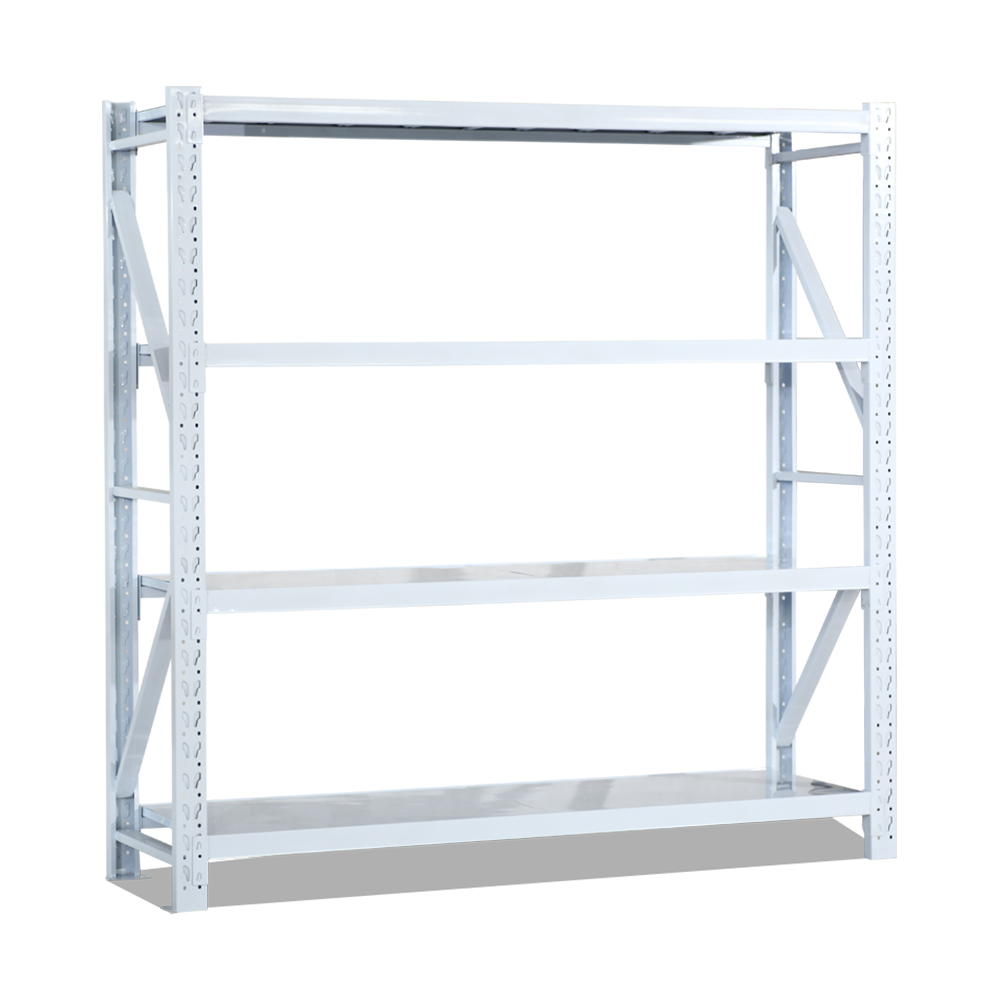
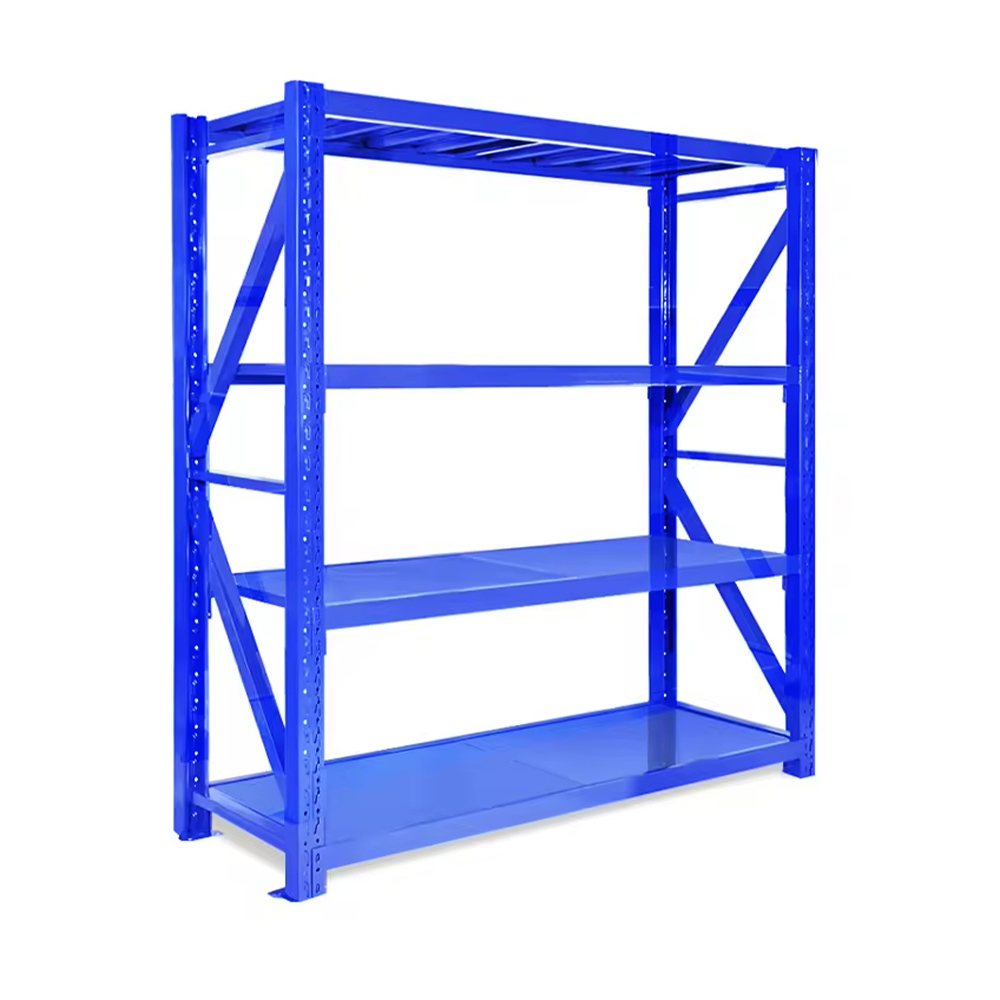
This four-tier light duty rack is developed for users who need dependable vertical storage without complicated installation. Each shelf is rated to hold up to 200 kilograms under suitable loading conditions, while the frame uses butterfly-hole uprights and buckle-fit connections to eliminate the need for bolts, drills, or specialized tools. A single person can assemble the unit by hand in minutes, adjust the shelf spacing as required, and disassemble the rack when moving or reorganizing a space.
The rack is suitable for bedrooms, kitchens, pantries, garages, basements, utility rooms, workshops, offices, shops, and back rooms. Its flexible dimensions allow it to fit narrow residential spaces as well as more demanding storage areas. Standard height options range from approximately 160 to 200 centimeters, while available depths range from 40 to 60 centimeters. This makes it possible to choose a size that sits neatly against a wall, fits beside furniture, or accommodates larger toolboxes and cartons.
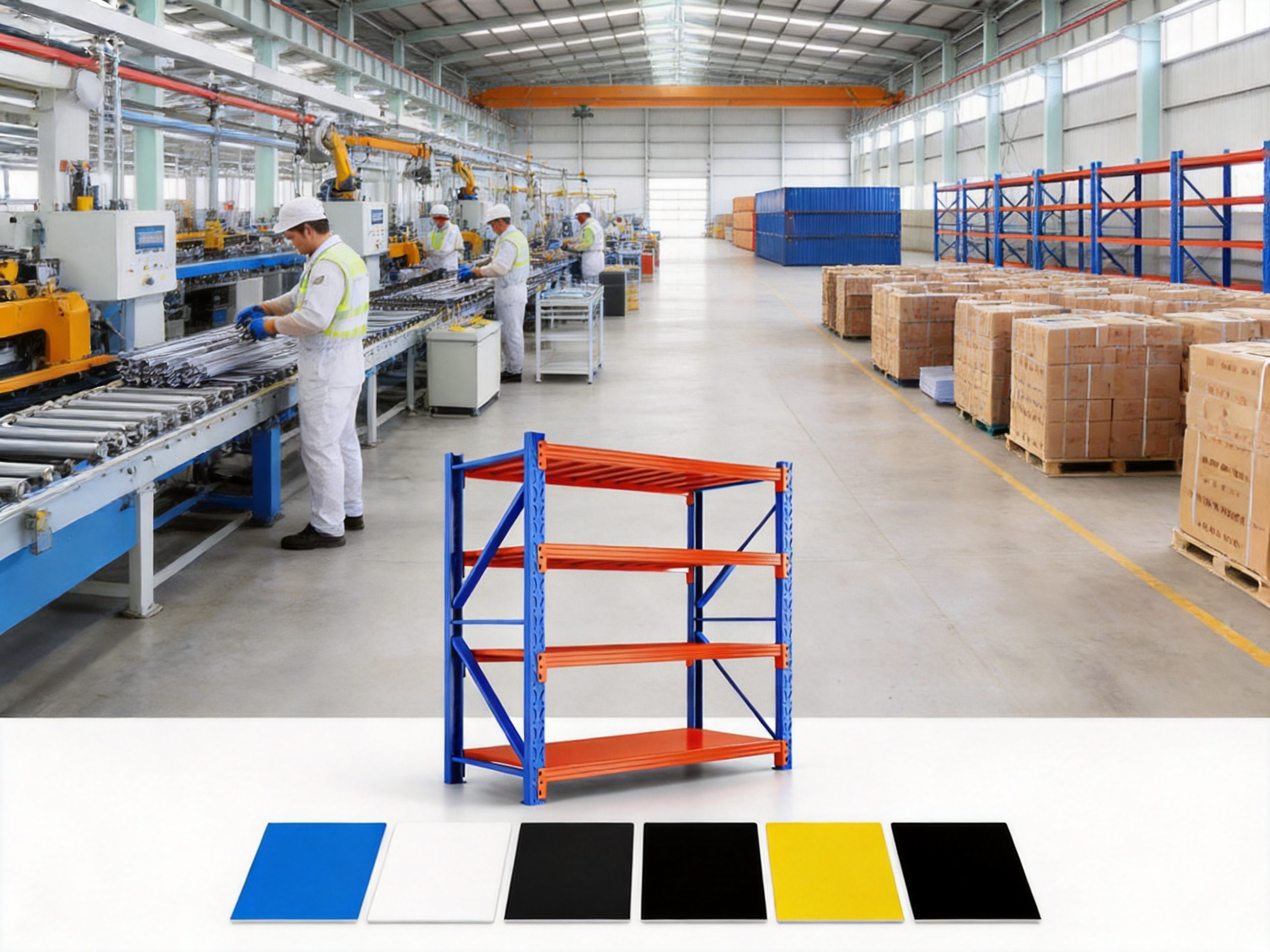
Behind the product is Shanghai King Global Shelf Co., Ltd., an integrated manufacturer with experience in shelving and storage equipment. The company operates a 60,000-square-meter production base, more than 17 production lines, and a workforce of over 300 employees. Its manufacturing system covers product development, material processing, surface treatment, quality control, packaging, and international shipment. This factory-based structure gives buyers a more direct route to standard products, custom specifications, OEM programs, and long-term distribution cooperation.
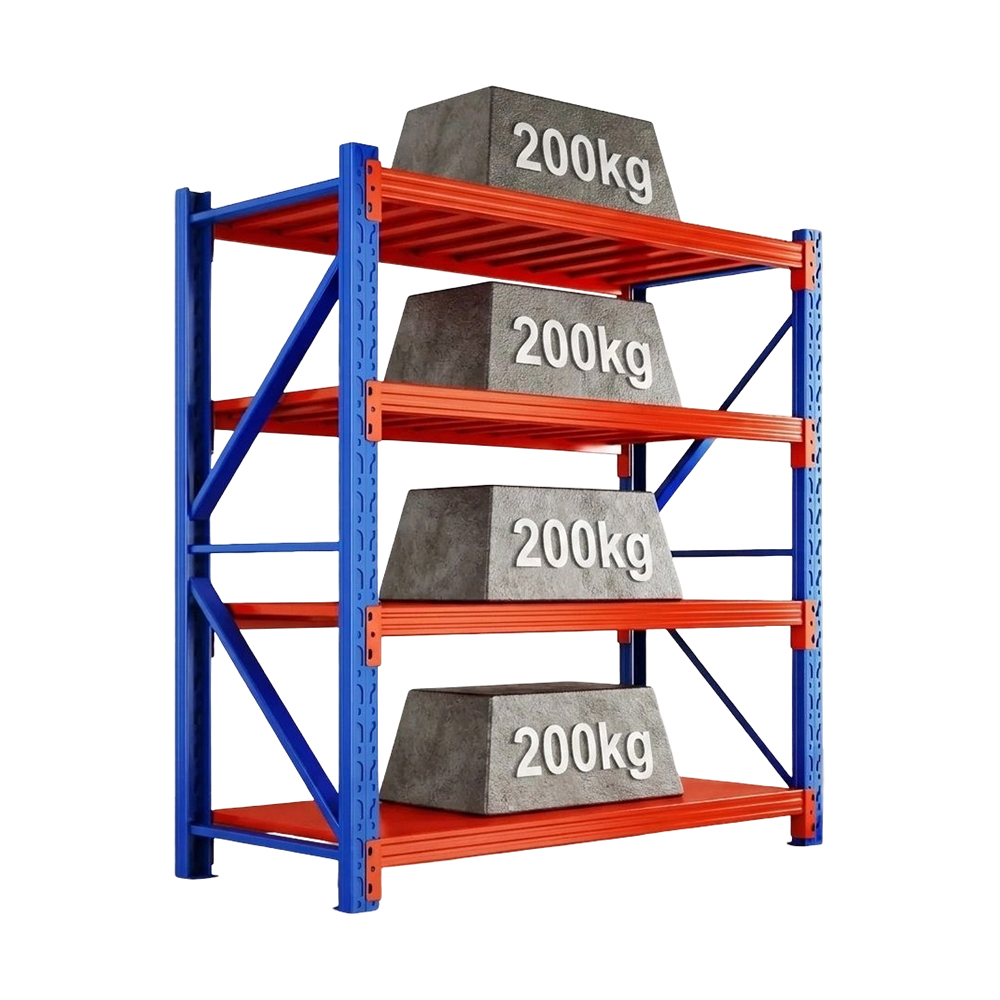
Light Duty Rack for Home Storage
Designed for Real Home and Small-Business Storage
Many household shelves are built for light decorative use. They may be suitable for books, ornaments, or a few plastic boxes, but they can become unstable or visibly distorted when loaded with tools, canned goods, paint containers, appliances, or dense cartons. A stronger light duty rack solves this problem by combining a compact footprint with a reinforced frame and practical shelf capacity.
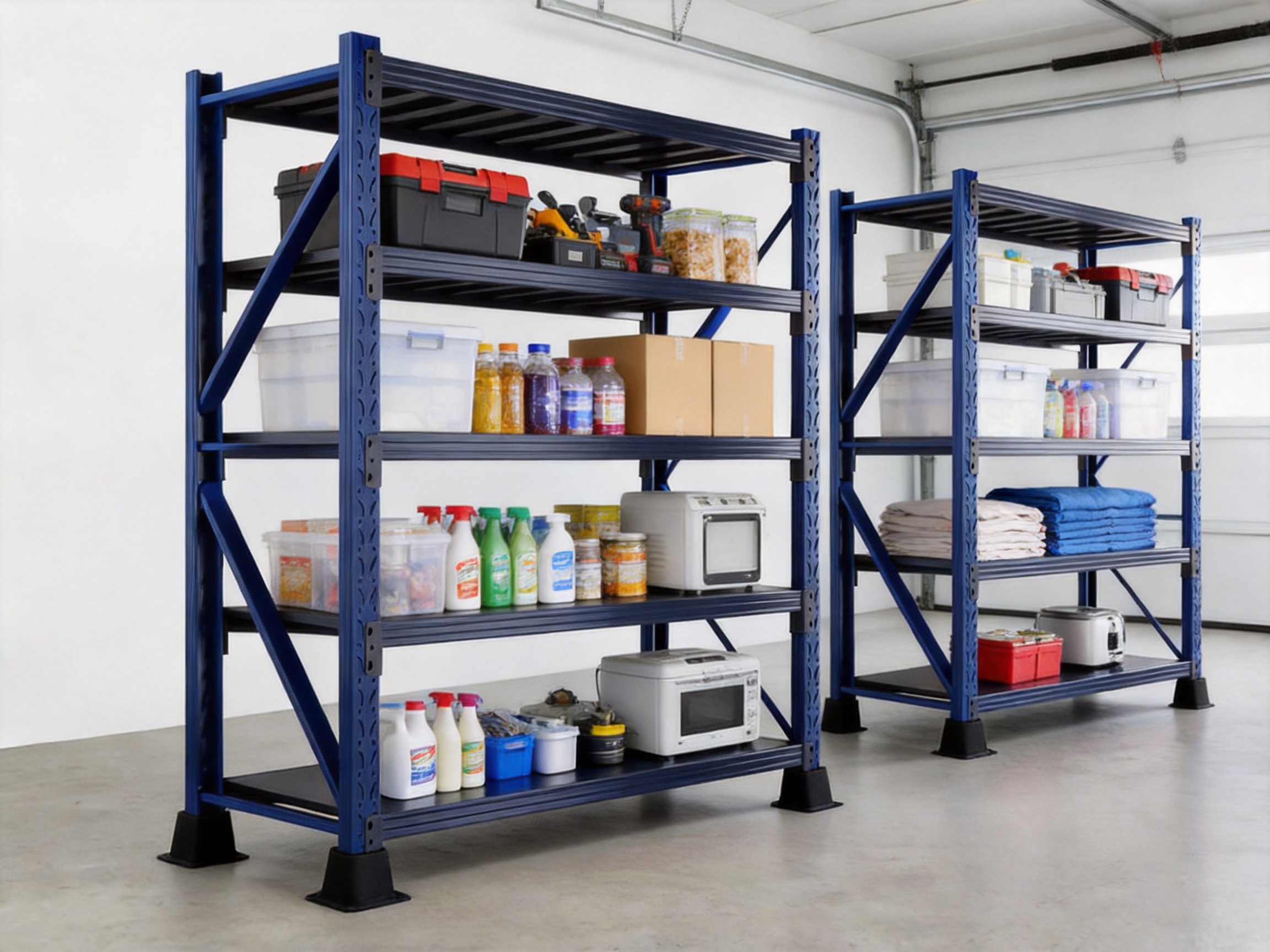
The rack is intended for situations where storage must be useful rather than purely decorative. In a pantry, it can hold food cartons, beverage cases, jars, and kitchen equipment. In a garage, it can support toolboxes, spare parts, lubricants, paint cans, and maintenance supplies. In a bedroom or dressing area, it can organize folded clothing, storage boxes, shoes, and household items. In a shop back room, it can provide accessible space for packaging materials, small inventory, and replenishment stock.
The four-tier configuration creates a straightforward vertical storage system. Instead of spreading boxes and containers across the floor, the user can make better use of wall height. This helps preserve walking space and makes stored goods easier to identify. Because the shelf levels can be repositioned, the rack does not need to be treated as a fixed piece of furniture. A user can create larger gaps for tall buckets and appliances or reduce the spacing for small bins and packaged products.
The product also supports side-by-side expansion. The main-and-sub-frame design allows multiple bays to be connected into a wider storage wall. This is useful for households with growing storage needs, independent retailers, workshops, and small warehouses. Rather than purchasing a completely different system when one rack is no longer enough, users can extend the arrangement with additional units and maintain a consistent layout.
High Load Capacity in a Compact Format
One of the product’s most important advantages is its 200-kilogram load rating per shelf. This capacity gives the rack a meaningful advantage over many ordinary domestic shelves, which are often intended only for light household items. A 200-kilogram rating allows the rack to handle denser goods while maintaining a practical footprint.
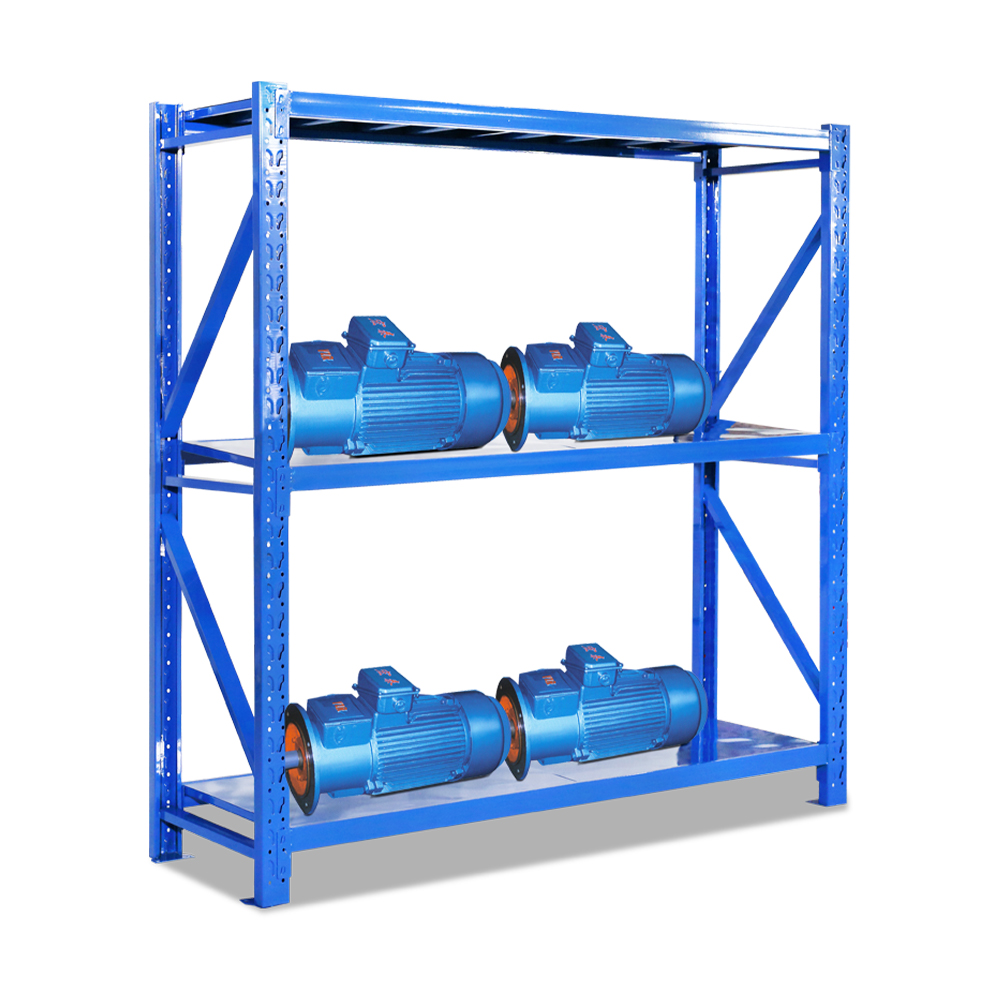
Load capacity is especially important when storing items that are individually manageable but collectively heavy. A box of tools, a carton of canned food, a case of bottled products, or a set of automotive parts can quickly exceed the safe limits of conventional furniture. With the correct loading method and an even distribution of weight, this rack is designed to support substantially heavier contents while reducing concerns about shelf flexing.
Users should always consider how weight is distributed. Heavy items should be positioned evenly across the shelf rather than concentrated at one corner. The heaviest goods are generally best placed on the lower levels to improve overall stability. The rack should be installed on a firm, level surface, and the stated capacity should be understood as a product specification for appropriate use rather than a substitute for safe operating practices.
The same frame family can also be supplied in alternative load ratings, including approximately 120 kilograms and 250 kilograms per layer. This gives buyers a broader selection when planning different applications. A household may choose the standard 200-kilogram version for general storage, while a distributor or commercial user may request a lighter configuration for lower-cost applications or a higher-capacity configuration for denser goods.
| Feature |
Standard Product Offering |
Practical User Benefit |
| Shelf capacity |
Up to 200 kilograms per layer |
Supports tools, cartons, appliances, household goods, and small commercial inventory |
| Alternative capacity |
Approximately 120 or 250 kilograms per layer |
Allows selection according to budget, product weight, and application |
| Number of levels |
Four tiers as standard; other configurations available |
Creates useful vertical storage while preserving floor area |
| Height range |
Approximately 160 to 200 centimeters |
Fits bedrooms, garages, workshops, pantries, and stockrooms |
| Depth range |
Approximately 40 to 60 centimeters |
Supports narrow wall placement or deeper storage requirements |
| Assembly method |
Butterfly-hole uprights and buckle-fit connections |
Reduces installation time and removes the need for bolts and drills |
| Surface protection |
Seven-layer anti-rust treatment |
Provides improved resistance to humidity and everyday environmental exposure |
| Expansion option |
Main frame and sub-frame connection |
Allows multiple bays to form a larger storage wall |
Tool-Free Assembly for Faster Installation
Traditional metal shelving often requires bolts, nuts, washers, wrenches, and considerable patience. For a homeowner, these requirements can turn a simple storage project into a time-consuming task. The tool-free assembly system used on this rack is intended to make installation more accessible to people who may not have workshop equipment or extensive assembly experience.
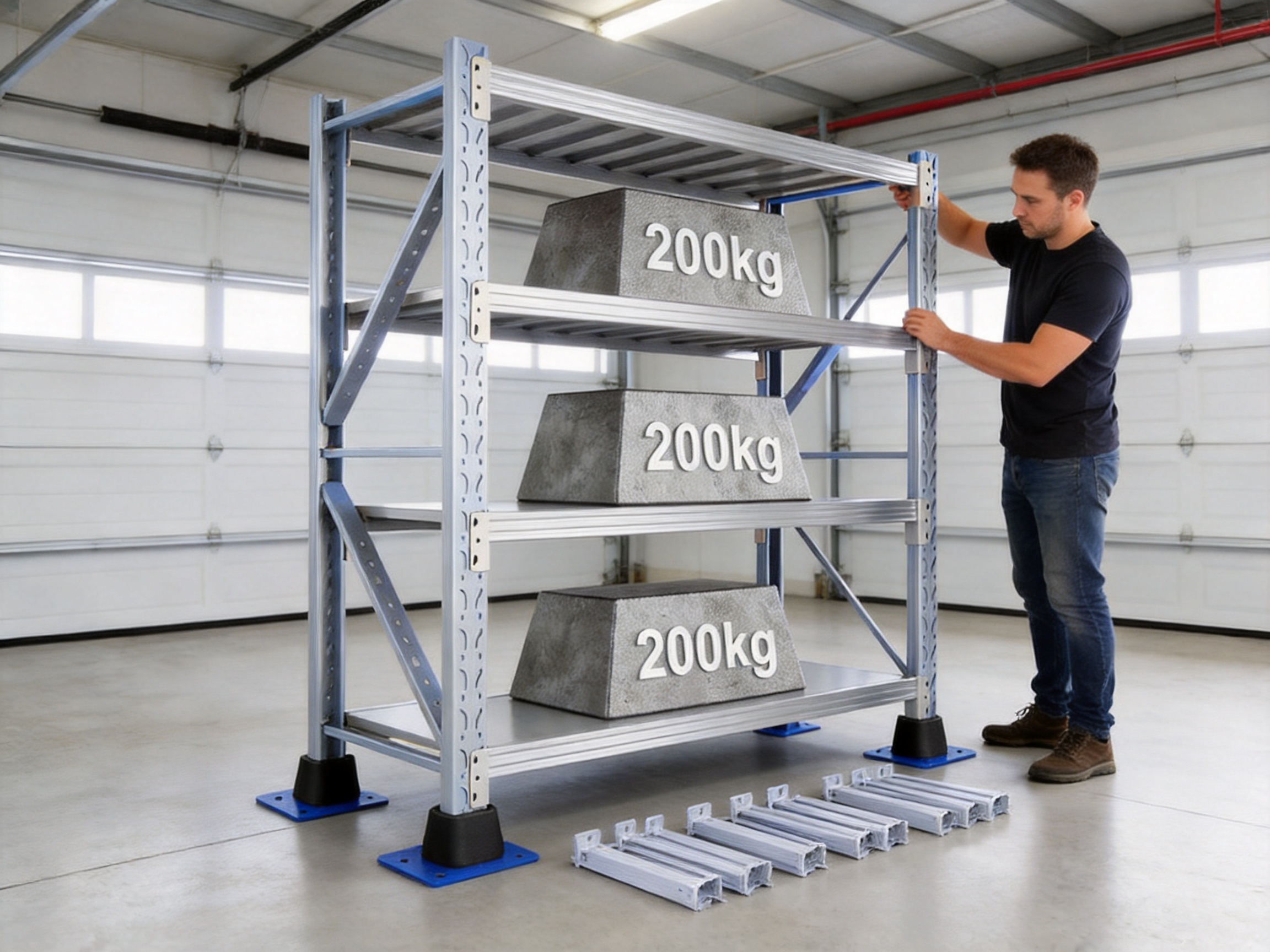
The uprights use butterfly-shaped holes that accept the shelf connectors. The buckle-fit structure allows the components to lock together by hand. Instead of aligning multiple bolts and tightening each connection separately, the user positions the frame components and secures them through the integrated connection points. This approach reduces the number of loose parts and makes the assembly process easier to understand.
A single person can generally complete the basic rack assembly in a few minutes, depending on the selected size and the user’s familiarity with the product. This is a meaningful advantage for home users, small retailers, property managers, and installation teams. Faster installation means less disruption in a room, less labor cost for commercial projects, and quicker availability of storage space.
The same design also simplifies relocation. When a household moves, a garage is reorganized, or a shop changes its layout, the rack can be taken apart without treating it as permanent furniture. Disassembly is particularly useful for renters, temporary storage areas, seasonal businesses, exhibitions, and facilities that frequently change their internal arrangement.
Tool-free assembly does not mean that users should ignore safety. The rack should be put together on a stable surface, all connectors should be fully engaged, and each shelf should be checked before loading. If the rack is used in a high-traffic or commercial area, additional anchoring or anti-tip measures may be appropriate according to local safety requirements and the installation environment.
Adjustable Shelf Spacing for Changing Storage Needs
Fixed shelf spacing can limit the usefulness of a storage rack. A shelf may have enough capacity but still be inconvenient if a tall container cannot fit between levels. This product addresses that limitation with adjustable shelf positions. Users can change the height of each layer to suit the items being stored.
Adjustability is valuable because storage contents rarely remain the same. A pantry may hold small food packages during one period and larger beverage containers during another. A garage may alternate between garden tools, automotive supplies, and seasonal equipment. A small business may change its product range or packaging format several times a year. A flexible rack can adapt to these changes without requiring a replacement unit.
The adjustable design also improves visual organization. Similar products can be grouped on one level, while frequently used items can be placed at an accessible height. Less frequently used goods can be kept higher, and heavier products can be stored closer to the floor. This arrangement can reduce unnecessary lifting and make daily access more efficient.
For retailers and distributors, adjustable shelf spacing can help the same rack model serve several market segments. One customer may use it for household storage, another for a workshop, and another for light stockroom inventory. The underlying product remains similar, while the installation layout changes to match each application.
Frame Construction and Stability Features
A storage rack’s usefulness depends not only on shelf capacity but also on how well the frame maintains its shape under load. This rack uses Ω-shaped columns and wider foot plates to improve structural support. The column profile helps create a more stable upright, while the larger feet distribute pressure over a broader area.
Wider foot plates can reduce concentrated pressure on flooring and help the rack stand more securely. They are useful on common indoor surfaces such as concrete, tile, wood, and finished garage floors, provided that the surface is level and suitable for the intended load. Free rubber sleeves are also supplied to help protect the floor and reduce direct contact between the metal structure and the surface below.
Stability is particularly important for tall storage products. As the height of a rack increases, correct loading and installation become more significant. The lower shelves should receive heavier goods, and the overall unit should not be overloaded beyond its rated capacity. In locations where people, children, or moving equipment are present, appropriate anti-tip precautions should be considered.
Compared with lightweight wire shelves or thin household bookcases, the reinforced frame offers a more substantial feel. Compared with heavy warehouse racking, the rack remains easier to handle and more suitable for residential or small-business environments. This balance is one of its key competitive strengths: it provides stronger storage than ordinary home furniture without requiring the installation complexity associated with large industrial systems.
Seven-Layer Anti-Rust Surface Treatment
Metal shelving can be exposed to moisture in many environments. Garages may experience condensation, basements may have elevated humidity, and coastal areas may contain salt in the air. Kitchens, utility rooms, and stockrooms can also expose metal surfaces to occasional spills or damp conditions. A durable surface treatment helps extend the useful life of the product and maintains a cleaner appearance over time.
The rack uses a seven-layer anti-rust process that includes acid pickling, phosphating, electrostatic powder spraying, and high-temperature curing. These stages work together to prepare the metal surface, improve coating adhesion, provide a protective finish, and create a more consistent final layer.
Acid pickling helps remove surface contaminants and oxidation from the metal before further treatment. Phosphating creates a prepared surface that supports coating adhesion and contributes to corrosion resistance. Electrostatic spraying distributes powder coating across the metal components, while high-temperature curing bonds the finish into a durable protective layer.
The result is a surface designed for everyday use in humid garages, basements, utility areas, workshops, and other locations where ordinary unprotected metal may deteriorate more quickly. The coating also contributes to product appearance. Available colors include blue, white, black, yellow-black, blue-orange, and other options according to the project or market requirement.
Surface treatment quality depends on proper preparation, controlled process conditions, and consistent inspection. Because the product is manufactured within an integrated production system, these steps can be managed more directly than they might be when a seller relies entirely on outside suppliers. This supports more consistent color, finish, and product quality across repeat orders.
Color, Size, and Capacity Customization
Standard products are useful for fast purchasing, but many buyers need a rack that matches a particular room, product line, or sales strategy. The manufacturer supports customization across dimensions, colors, shelf capacity, layer count, and branding requirements. Buyers can request custom length, width, and height combinations, as well as different load ratings and visual finishes.
The available configuration range includes approximately two to six layers, allowing the product to serve different spaces and storage volumes. A two-layer unit may be suitable for a low cabinet-style arrangement, while a taller four-, five-, or six-layer system can maximize vertical space. The choice depends on ceiling height, product weight, user access, and the intended location.
Color customization is important for both practical and commercial reasons. A neutral white or black finish may be preferred for homes and offices. Blue may suit workshops and industrial environments. Yellow-black or blue-orange combinations can create a more visible commercial appearance. Distributors may also request colors that match their existing product range or local customer preferences.
OEM and ODM buyers can discuss logo placement, packaging, dimensions, and other project details. This provides an opportunity to create a product line that is differentiated from generic shelving. Rather than competing only on price, a distributor can offer a rack with a distinct color, capacity, package design, or configuration suitable for a specific market.
Factory-Direct Supply and Manufacturing Strength
The distinction between a factory and a trading company matters when buyers need stable quality, predictable lead times, and meaningful customization. Shanghai King Global Shelf Co., Ltd. operates its own manufacturing base rather than functioning only as a resale intermediary. This allows the company to coordinate product development, production planning, quality control, and shipping within one broader system.
The company’s 60,000-square-meter production base provides room for material handling, processing, coating, assembly, inspection, warehousing, and packing. More than 17 production lines support multiple product categories and help the company manage standard shelving alongside customized projects. The reported inventory of more than 10,000 units gives buyers access to stock-supported supply for selected products and sizes.
Manufacturing scale can create several advantages for customers. Larger production capacity can support repeat orders, mixed product programs, and container-level purchases. An established production team can also help identify practical solutions when buyers request changes to dimensions, capacity, color, packaging, or structure. Because the manufacturer is involved directly, technical questions can be addressed closer to the source.
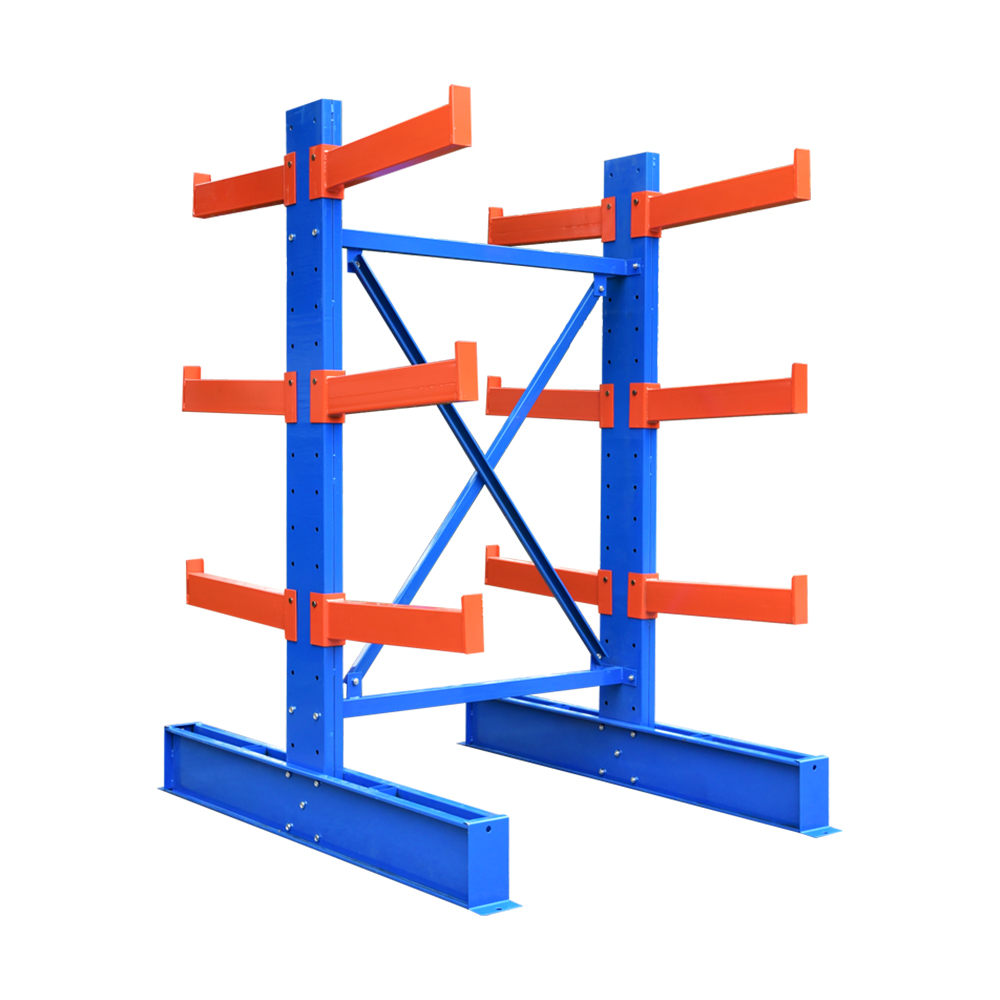
The company supplies more than light duty home racks. Its product categories include warehouse racks, pallet racking, mezzanine racking, cantilever racks, supermarket shelves, office shelves, and home storage products. This broader product knowledge is useful when a customer’s needs extend beyond one shelf unit. A small business may begin with light duty racks and later require pallet storage, display shelving, or a mezzanine solution as operations expand.
The company also reports daily container activity, including multiple 40-foot high-cube loads serving international destinations. This indicates experience with export packing, container planning, and global order coordination. For overseas distributors, such experience can reduce the practical difficulties associated with recurring shipments and mixed product orders.
Quality Management and Documentation
Commercial buyers often require more than product photographs and a basic quotation. They may need quality documents, compliance information, test records, packaging details, and production evidence before placing an order. The manufacturer maintains ISO 9001, CE, and RoHS-related reports on file for customers to request as part of the quotation and purchasing process.
ISO 9001 is associated with quality management systems and structured control of business processes. CE-related documentation may be relevant to products entering markets that require applicable European conformity considerations, while RoHS documentation addresses restrictions on certain hazardous substances in applicable products and markets. The exact relevance of each document depends on the product configuration, destination, and local regulations.
Documentation should always be reviewed according to the actual order. Buyers should confirm that the relevant reports apply to the chosen material, surface treatment, configuration, and destination market. This is especially important for distributors serving regulated industries or public-sector customers.
A structured quality system can support more consistent manufacturing by defining procedures for incoming materials, production operations, surface treatment, final inspection, and corrective action. For a rack product, quality control may involve checking dimensions, connector fit, coating appearance, component completeness, shelf seating, and packaging strength.
Advantages Over Ordinary Household Shelves
The first major advantage over ordinary household shelving is load capacity. Many consumer shelves are designed for books, clothing, or decorative items and may not be appropriate for dense industrial or household goods. A 200-kilogram rating per shelf gives this product a wider range of practical uses.
The second advantage is tool-free installation. Flat-pack furniture often requires a screwdriver, hex key, multiple fasteners, and a significant amount of assembly time. The buckle-fit design shortens the installation process and makes the rack more accessible to users who want immediate storage without a complicated construction project.
The third advantage is adjustability. Fixed furniture can become inefficient when the size of stored goods changes. Repositionable shelves allow the rack to serve different purposes throughout its life, which may improve value and reduce the need to purchase additional furniture.
The fourth advantage is its metal construction and protective coating. Compared with some particleboard or low-cost composite shelves, a coated metal frame can be better suited to garages, workshops, basements, and storage rooms where moisture, dirt, and heavier loads are common.
The fifth advantage is expansion. A single household shelf is usually an independent item. This rack can be connected with additional bays, creating a more organized wall of storage. The ability to expand gradually is useful for users who want to begin with a modest purchase and increase capacity later.
Advantages Over Heavy Industrial Racking
Heavy industrial racking is essential for pallets, forklifts, high-bay warehouses, and very large inventory volumes. However, it may be excessive for a home, small workshop, office, pantry, or retail back room. Industrial systems often require more planning, more installation labor, and more floor space than a light duty rack.
This product occupies a practical middle position. It provides meaningful load support and a reinforced metal frame without the complexity of pallet racking. It can be carried into a room, assembled by hand, adjusted without specialist equipment, and relocated when the layout changes.
For small businesses, this balance may reduce the initial cost of organizing inventory. The rack does not require a forklift or a large installation team. It can be installed in a compact stockroom and expanded gradually as product volume increases. When the business eventually needs larger systems, the same manufacturer can support a transition to pallet racking, mezzanine systems, or other warehouse solutions.
Applications in Different Environments
Home Pantry and Kitchen Storage
In a pantry, the rack can organize dry food, canned goods, beverage cartons, kitchen appliances, storage containers, and cleaning products. Adjustable levels allow tall bottles and small packages to share the same structure without excessive wasted space. A powder-coated finish can also be easier to wipe and maintain than unfinished metal.
Garage and Workshop Storage
Garages and workshops often contain dense items that are difficult to organize in cabinets or small plastic shelves. Toolboxes, hand tools, power-tool cases, spare parts, paint cans, gardening products, and maintenance supplies can be arranged across the four levels. The 200-kilogram shelf rating provides additional capacity for heavier goods when they are loaded evenly.
Bedroom and Utility Room Storage
In a bedroom, the rack can hold folded clothing, shoes, fabric boxes, luggage, and seasonal items. In a utility room, it can organize detergents, paper goods, household equipment, and cleaning supplies. White, black, or other coordinated colors can help the product integrate into a domestic environment rather than appearing purely industrial.
Retail Back Rooms
Retailers can use the rack for cartons, replacement stock, packaging supplies, promotional materials, and small product inventory. The ability to connect multiple bays creates a compact stock wall. Adjustable shelves can also be rearranged when product packaging or inventory categories change.
Offices and Small Commercial Spaces
Offices may use the rack for archives, stationery, equipment cases, event materials, and supplies. Small commercial spaces benefit from a storage solution that does not require permanent construction. The rack can be assembled after business hours, relocated during office changes, and expanded when storage requirements grow.
How to Select the Correct Configuration
The first consideration is the weight of the goods. Buyers should estimate the maximum weight that will be placed on each level, not merely the average weight. If most items are light, a 120-kilogram configuration may be sufficient. If the rack will hold dense cartons, tools, or equipment, the 200-kilogram version may be more suitable. Applications requiring greater capacity can be discussed using the approximately 250-kilogram option.
The second consideration is available floor space. A depth of 40 centimeters may be appropriate for narrow rooms, corridors, bedrooms, and compact stock areas. A depth of 50 or 60 centimeters can provide more room for toolboxes, cartons, and deeper containers. Buyers should allow enough clearance for installation, access, cleaning, and movement around the rack.
The third consideration is height. A taller rack makes greater use of vertical space but may require more careful installation and loading. Users should confirm ceiling clearance and consider the height of the people who will access the upper shelf. In areas with frequent use, a slightly lower configuration may improve convenience.
The fourth consideration is the number of tiers. Four tiers offer a balanced arrangement for many home and commercial applications. Two or three levels may be preferred where the rack must fit below a window, counter, or work surface. Five or six levels may be appropriate when vertical storage is the priority.
The fifth consideration is whether expansion will be needed. If the buyer expects to increase storage later, it is helpful to plan the initial rack location and connection arrangement in advance. A side-by-side system can create a more unified appearance and may use floor space more efficiently than several unrelated shelves.
Installation and Safe Use Recommendations
Before assembly, inspect all components and confirm that the floor is clear, stable, and level. Read the supplied instructions and separate the uprights, shelf panels, connectors, feet, and accessories. Although no special tools are required for the standard assembly method, a second person may be helpful when handling taller frames or arranging multiple bays.
Connect the uprights and shelf supports carefully. Each buckle or connector should be fully seated before the next shelf is installed. Do not force components into an incorrect position. If a connection does not align, remove the part and check the orientation rather than applying excessive force.
Once assembled, check that the rack stands evenly and that all shelf panels are properly supported. Place heavier products on the lower levels and distribute the load across the shelf surface. Avoid placing a concentrated heavy object at the extreme edge or corner. Keep frequently handled products at a comfortable height and reserve upper levels for lighter or less frequently used goods.
Do not exceed the specified load capacity. The stated rating applies to suitable products installed correctly and loaded in an appropriate manner. Environmental conditions, floor quality, impact, modification, and improper assembly may affect performance. If the rack is placed in a public, commercial, seismic, or high-traffic environment, consult the responsible safety professional regarding anchoring or additional protection.
Keep the rack away from direct heat sources and inspect it periodically. Look for damaged connectors, bent components, coating damage, unusual movement, or overloaded shelves. Small coating scratches can be addressed according to the manufacturer’s maintenance guidance to reduce the chance of corrosion developing at exposed metal.
Value for Distributors and Importers
The product is suitable not only for direct household sales but also for distribution programs. Storage shelves have broad market appeal because they serve homes, garages, workshops, offices, retailers, and small warehouses. A distributor can present the rack as a versatile solution rather than a single-purpose product.
Factory-direct cooperation can support more competitive pricing, especially for repeat orders, mixed containers, and regional programs. Buyers can discuss packaging, color combinations, dimensions, load ratings, and branding based on their sales channel. This makes it possible to position the product for budget retail, hardware stores, home improvement outlets, online marketplaces, commercial supply catalogs, or project-based sales.
The manufacturer is also seeking national agents and regional distributors. Partners may discuss regional price protection and customization options. A distributor that shares market information, estimated volumes, preferred specifications, and target customer groups can receive a more structured quotation rather than a price based on a single unit.
For importers, the company’s experience with international exports and container shipments is an important operational advantage. Orders can be planned around standard products, custom products, or mixed loads. Buyers should confirm packaging dimensions, container utilization, labeling, documentation, and destination requirements during the quotation stage.
Why Integrated Production Matters
Integrated production can improve communication between design, manufacturing, quality control, and sales. When a customer requests a dimensional change, the request can be reviewed in relation to material use, tooling, coating, packaging, and shipping. This is more efficient than sending separate questions through several unrelated suppliers.
It can also support consistency across repeat orders. A customer who develops a specific blue color, shelf depth, logo package, or capacity configuration needs the same specification to be reproduced accurately. Production records and direct factory coordination help reduce the risk of variation between batches.
Manufacturing scale also supports investment in process control. A company with multiple product categories and production lines can develop technical expertise across different shelf structures, frame designs, surface treatments, and packaging formats. This knowledge benefits buyers who need more than a standard catalog item.
For end users, these advantages may appear as a rack that fits correctly, assembles smoothly, holds its shape, and maintains its finish. For distributors, they appear as more reliable quotations, clearer customization discussions, and stronger support for long-term product programs.
Frequently Asked Questions
What is the rated capacity of each shelf?
The standard configuration is rated for up to 200 kilograms per shelf under suitable installation and loading conditions. Alternative versions of approximately 120 kilograms and 250 kilograms per layer are also available for different requirements.
Does the rack require bolts or special tools?
No. The standard design uses butterfly-hole uprights and buckle-fit connections that can be assembled by hand. Users should still follow the supplied instructions and confirm that every connection is fully engaged.
How many shelf levels does the rack have?
The described product is a four-tier rack. Other configurations ranging from approximately two to six layers can be discussed for different spaces and applications.
Can the shelf spacing be changed?
Yes. The shelf levels are adjustable, allowing users to create more clearance for tall containers or closer spacing for smaller boxes, bins, and products.
Where can the rack be used?
It can be used in bedrooms, pantries, kitchens, garages, basements, workshops, offices, shops, stockrooms, and other suitable indoor storage areas. The seven-layer anti-rust treatment is intended to improve performance in humid environments, but the rack should not be exposed to conditions beyond its design and maintenance requirements.
Can multiple racks be connected?
Yes. The main-and-sub-frame design allows bays to be placed side by side and connected into a broader storage wall. This is useful for homes, retailers, workshops, and small commercial stockrooms.
What sizes are available?
Standard height options are approximately 160 to 200 centimeters, and standard depths are approximately 40 to 60 centimeters. Custom length, width, and height combinations can be requested according to the project.
What colors can buyers choose?
Available colors include blue, white, black, yellow-black, blue-orange, and other options. Custom colors may be discussed for distributor, OEM, ODM, or project orders.
Is the rack suitable for heavy tools?
Yes, the 200-kilogram-per-layer configuration is designed to support many types of tools, toolboxes, cartons, and household goods when the weight is distributed correctly. Heavy items should generally be placed on lower shelves, and the rated capacity must not be exceeded.
Can the rack be used in a damp garage or basement?
The seven-layer anti-rust process is intended to improve resistance to humidity and everyday environmental exposure. Acid pickling, phosphating, electrostatic spraying, and high-temperature curing contribute to the protective finish. Regular inspection and proper maintenance are still recommended.
Does the manufacturer provide OEM and ODM services?
Yes. Shanghai King Global Shelf Co., Ltd. supports standard products as well as OEM and ODM cooperation. Buyers can discuss dimensions, colors, capacities, logos, packaging, and other project specifications.
What documents are available for commercial orders?
ISO 9001, CE, and RoHS-related reports are maintained on file for customer review when applicable. Buyers should confirm the specific documentation required for the selected configuration and destination market.
How should a buyer request a quotation?
A useful inquiry should include the desired dimensions, number of layers, load capacity, color, estimated quantity, packaging requirements, destination, and whether a logo or custom design is required. Distributors should also provide their target market and expected order volumes so that a program quotation can be prepared.
Conclusion
This light duty rack offers a practical combination of strength, adaptability, and installation convenience. Its 200-kilogram-per-shelf capacity gives it more useful load support than many ordinary household shelves, while its compact dimensions allow it to fit in homes, garages, workshops, offices, retail back rooms, and small commercial spaces.
The tool-free buckle assembly reduces installation time and removes the need for bolts and drills. Adjustable shelf spacing allows the rack to respond to changing storage needs. Ω-shaped columns, wider foot plates, and rubber sleeves support stability and floor protection. The seven-layer anti-rust process provides a more durable finish for humid garages, basements, and similar environments.
For buyers who need more than a single unit, the main-and-sub-frame structure supports side-by-side expansion. For distributors and importers, the manufacturer provides standard products, customization, OEM and ODM cooperation, documentation support, and factory-direct production capacity. The company’s 60,000-square-meter base, more than 17 production lines, broad product range, and international shipping experience provide a foundation for both small orders and larger supply programs.
As storage requirements become more varied, the best shelving solution is not simply the largest or cheapest product. It is the system that provides sufficient capacity, efficient use of space, easy assembly, long-term adaptability, and dependable manufacturing support. This rack is designed to meet those requirements in a compact and accessible format.
References
Shanghai King Global Shelf Co., Ltd. Product Information for Light Duty Rack for Home Storage.
Shanghai King Global Shelf Co., Ltd. Company Profile and Manufacturing Capability Statement.
ISO 9001 Quality Management Systems: General Principles and Process-Based Quality Control.
General guidance on metal shelving load distribution, safe installation, and storage-area organization.
General technical guidance on powder coating, phosphating, corrosion resistance, and protective metal finishing.
General principles for warehouse, workshop, household, and retail storage planning.


 English
 Español
 русский
 Français
 한국어
 عربى
 ไทย
 Deutsch
 Bahasa Melayu
 Português
 Polskie