Introduction
The checkout area is one of the most important operational zones in any supermarket, convenience store, boutique, pharmacy, gift shop, or general retail business. It is the point where customers complete purchases, interact with employees, receive receipts, and form a final impression of the store. A well-designed checkout station can improve transaction speed, reduce workplace clutter, protect cash and equipment, and create a more comfortable experience for both customers and staff.
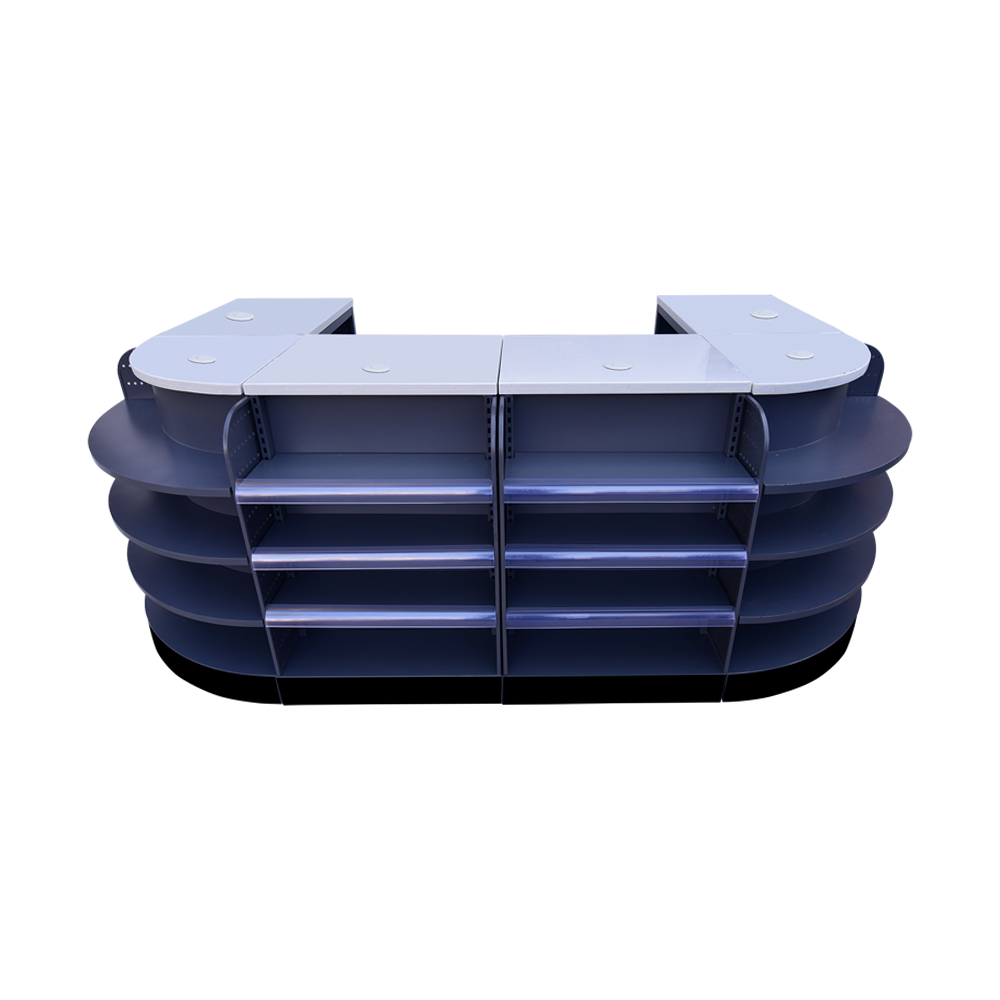
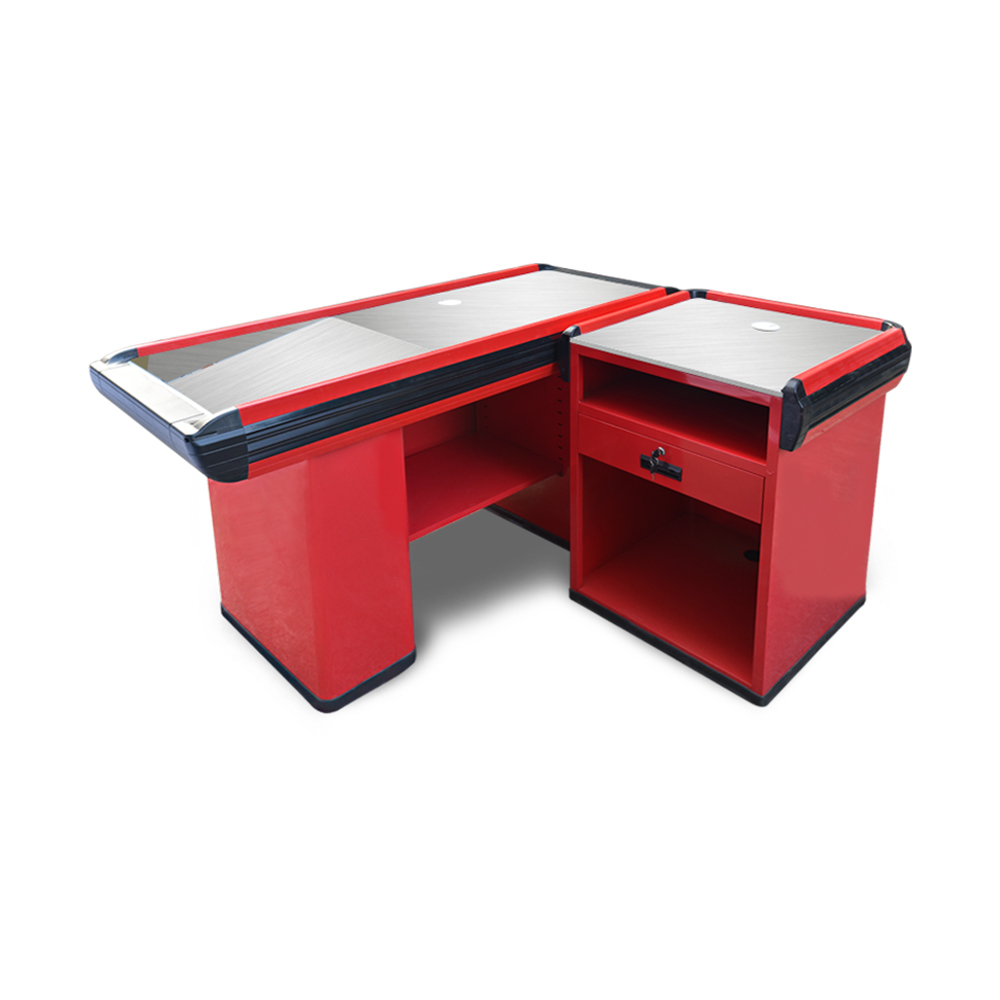
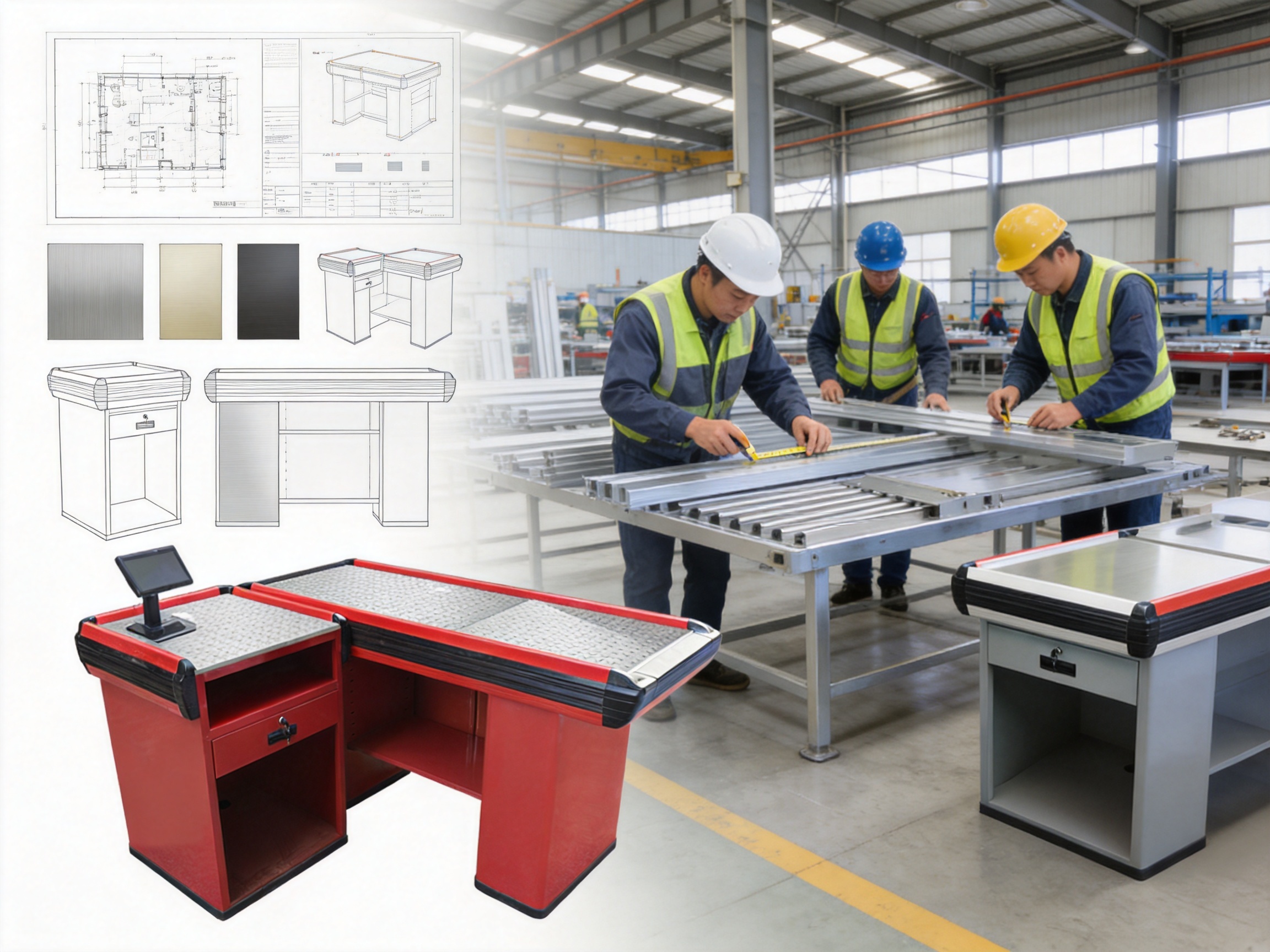
The Supermarket Checkout Cashier Desk Counter is designed as an integrated retail checkout solution that combines a stable counter structure, built-in cash storage, dedicated equipment space, an anti-slip work surface, and a compact footprint. Instead of requiring retailers to assemble several separate components, this counter brings essential checkout functions together in one coordinated workstation.
Its practical design makes it suitable for businesses that need dependable performance without sacrificing valuable sales-floor space. The counter can be used in large supermarkets with multiple checkout lanes, small convenience stores with limited floor areas, independent boutiques, pharmacies, gift shops, and other commercial environments. Its adaptable structure can also be customized to match different store layouts, working habits, product categories, and branding requirements.
Beyond the product itself, the manufacturing capabilities behind the counter are important. Shanghai King Global Shelf Co., Ltd. operates as a professional shelving and storage manufacturer with experience in product development, production, quality control, and international market service. Its production base, technical team, equipment, and integrated manufacturing system support the delivery of standard products as well as OEM and ODM solutions.
This article examines the design, features, applications, manufacturing strengths, customization possibilities, and competitive advantages of this retail checkout counter. It also explains how a properly designed cashier desk can contribute to better store organization, improved employee efficiency, and a more professional customer experience.
Supermarket Checkout Cashier Desk Counter
1. The Role of a Checkout Counter in Modern Retail
A checkout counter is more than a surface where customers place their purchases. It is a compact workstation that must support several activities at the same time. Cashiers may need to scan products, operate a point-of-sale system, handle cash and cards, print receipts, answer customer questions, organize bags, and move goods across the counter. Each function requires convenient positioning and sufficient working space.
If the checkout area is poorly planned, even a busy store with an efficient sales process can experience delays. Loose equipment can occupy too much space. Cash may be left unsecured. Products may slide from the counter. Staff may need to reach awkwardly for printers or scanners. Customers may also feel uncomfortable if the payment area appears crowded or disorganized.
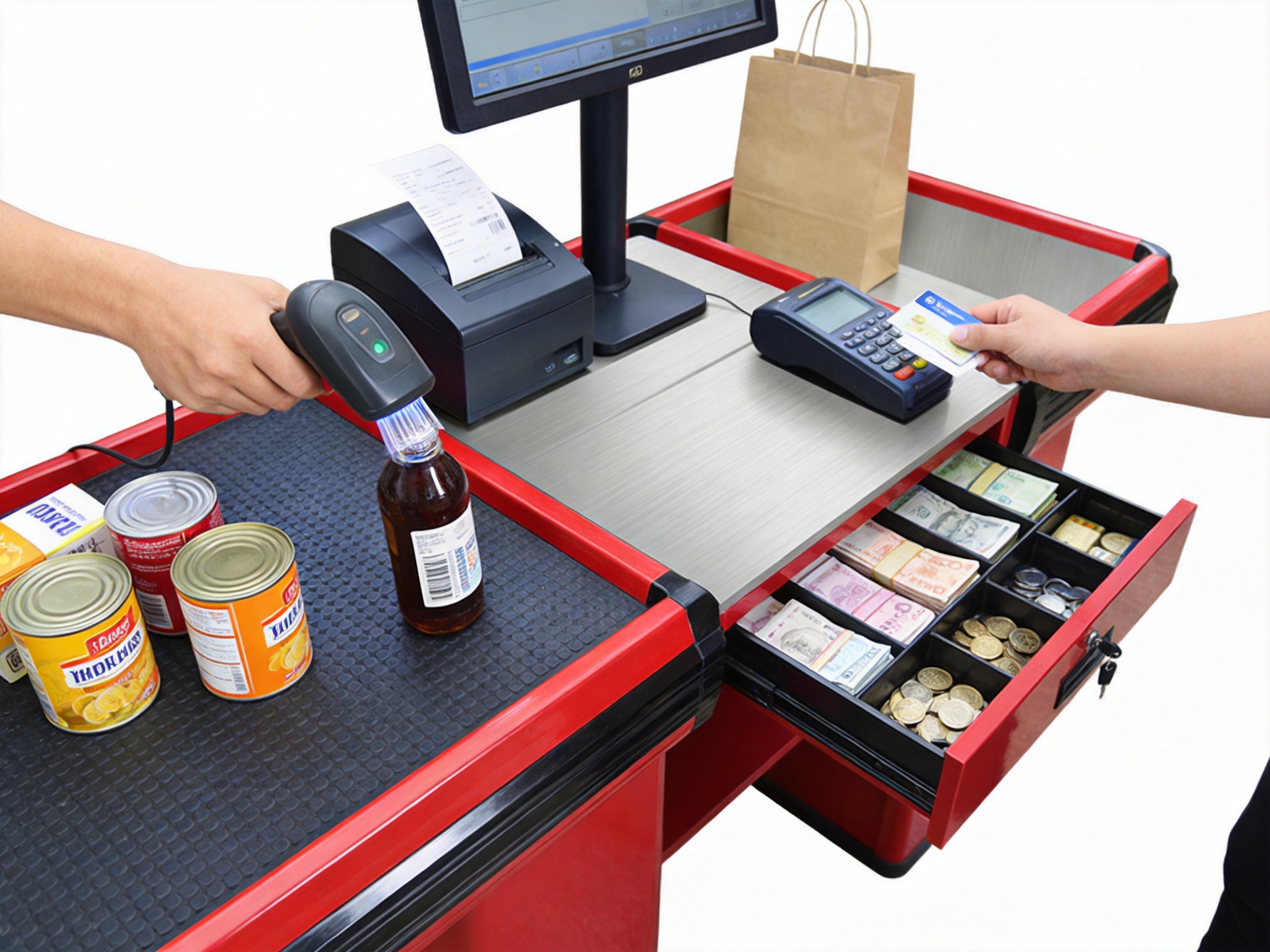
A purpose-built cashier counter addresses these issues by organizing the workstation around the actual needs of retail transactions. It provides a stable base for equipment, a dedicated cash drawer, a defined area for a scanner, and a usable counter surface for goods. These features help establish a clear workflow from product placement to scanning, payment, receipt printing, and collection.
For customers, the checkout counter also represents the store’s professionalism. A clean, durable, and orderly counter gives the impression that the retailer pays attention to safety, service, and operational detail. For employees, an ergonomic and organized workstation can reduce unnecessary movement and help maintain consistent performance during busy periods.
1.1 A central point for the customer journey
The checkout station is usually the final physical point that customers visit before leaving the store. It therefore influences the last stage of the customer journey. A counter with enough space for purchases, a clear position for payment equipment, and an organized cash-handling area helps make the final interaction smoother.
In a supermarket, the counter may need to handle a high volume of packaged goods every hour. In a boutique, the same counter may place greater emphasis on appearance, compactness, and flexible storage. In a convenience store, rapid transactions and efficient use of limited space may be the main priorities. The adaptable nature of this checkout counter allows it to support different retail formats.
1.2 A workstation for speed and accuracy
Retail checkout efficiency depends on the relationship between the cashier, the customer, and the equipment. When the scanner, cash drawer, receipt printer, and payment area are positioned logically, the cashier can complete each transaction with fewer unnecessary movements. A dedicated equipment zone also reduces the chance of cables, devices, and receipts interfering with the transaction area.
The checkout counter does not replace a point-of-sale system or barcode scanner. Instead, it provides a stable and organized platform for these devices. This distinction is important because retailers may use different POS brands, scanner models, printers, and payment terminals. A customizable counter can be adjusted to accommodate the equipment required by the individual business.
2. Main Product Features
2.1 Reinforced structure for stable operation
The counter is built around a sturdy, reinforced structure intended to provide dependable support during daily retail operations. Stability is essential because the workstation may carry a cash drawer, barcode scanner, receipt printer, monitor, payment terminal, bags, product samples, and other accessories.
A stable structure helps prevent unwanted movement when employees place goods on the counter or operate equipment. This is particularly valuable during busy periods when several actions occur quickly. A counter that shifts, vibrates, or feels weak can interrupt the checkout process and reduce employee confidence. By contrast, a rigid workstation provides a reliable foundation for repeated use.
The reinforced design also supports long-term service in commercial environments. Retail furniture is exposed to frequent contact, regular cleaning, occasional impact from shopping baskets, and the daily movement of products. A commercial-grade construction approach is therefore more appropriate than lightweight furniture designed only for occasional household use.
2.2 Built-in cash drawer
The integrated cash drawer provides a designated place for notes, coins, checks, and other transaction-related items. Keeping cash storage within the counter helps maintain a more organized cashier area and reduces the need for a separate drawer or temporary storage container.
A built-in drawer can also improve the appearance of the checkout station. When cash-handling equipment is incorporated into the counter, fewer components are visible on the surface. This creates a cleaner presentation and leaves more room for scanning, payment, and customer interaction.
For retailers, the cash drawer is also part of daily control procedures. Cashiers can place transaction funds in a consistent location, and supervisors can establish clearer routines for opening, closing, counting, and securing each checkout lane. The exact locking and internal configuration can be selected according to the retailer’s operational requirements.
2.3 Dedicated scanner and equipment space
The counter includes a dedicated space for a barcode scanner and other checkout equipment. This feature is valuable because modern retail workstations often need to accommodate several devices at once. Depending on the store, these may include a scanner, receipt printer, payment terminal, customer display, POS monitor, label printer, bag holder, or communication device.
Without a designated area, equipment can spread across the counter and interfere with the movement of products. A planned equipment zone helps keep the primary working surface available for purchases. It also supports a more consistent layout across multiple checkout lanes, making it easier for employees to move between stations.
The equipment space can be adapted during the design stage. This is especially useful for retailers that operate in different countries or use specialized checkout systems. The position, opening, dimensions, and cable-routing requirements can be reviewed before production so that the finished counter is aligned with the equipment specification.
2.4 Anti-slip countertop surface
The countertop features an anti-slip design to help keep goods stable during checkout. Customers may place cans, bottles, boxes, bags, and other products on the counter while the cashier processes the transaction. A surface that reduces sliding can help prevent items from moving unexpectedly toward the edge.
This feature is particularly useful when the counter is used with glass containers, cylindrical packages, smooth plastic products, or heavier items that may shift when touched. By supporting safer product placement, the anti-slip surface can reduce the possibility of goods falling or becoming damaged.
An anti-slip surface also contributes to a more controlled checkout sequence. Products can remain in a predictable position while being scanned, bagged, or returned to the customer. This helps both the cashier and the shopper maintain a clear understanding of which items have been processed.
2.5 Compact, space-saving form
Retail floor space is valuable. Every square meter must often accommodate product displays, aisles, promotional stands, refrigeration units, storage areas, and customer circulation. A checkout counter that is larger than necessary can reduce the amount of space available for merchandise and create congestion near the exit.
The compact form of this counter is intended for small and medium-sized stores that need a complete checkout station without using excessive floor area. It can also support larger stores where several checkout lanes must be placed efficiently within a defined zone.
A compact counter should not mean a lack of functionality. The objective is to combine essential checkout features within a carefully planned footprint. By integrating cash storage and equipment space, the counter can reduce the need for additional furniture and help retailers make better use of the available layout.
2.6 Easy-to-clean surfaces
Checkout counters are touched frequently throughout the day. They may come into contact with packaging, shopping bags, dust, spilled liquids, receipts, coins, and cleaning products. Easy-to-clean surfaces are therefore important for maintaining a professional appearance and supporting regular hygiene routines.
A practical counter design should allow staff to wipe the main surface efficiently and reach areas where dust or small debris may accumulate. Smooth, durable finishes can simplify routine cleaning and help the workstation maintain a consistent appearance over time.
Easy maintenance also contributes to lower operational disruption. Retail employees can clean the counter during scheduled intervals without requiring complex procedures or specialized tools. This is especially useful in stores that operate for long hours and need the checkout area to remain presentable throughout the day.
3. Advantages Compared with Generic Checkout Furniture
3.1 Purpose-built rather than improvised
Some retailers create checkout stations by combining a standard table, a separate cash drawer, a desktop scanner, and unrelated storage units. Although this approach may appear inexpensive at first, it can result in uneven heights, poor cable management, limited working space, and an inconsistent appearance.
The Supermarket Checkout Cashier Desk Counter is designed as a coordinated unit. Its cash drawer, scanner area, counter surface, and supporting structure are planned to work together. This reduces the need to adapt unrelated furniture and can make installation and daily operation more straightforward.
3.2 Better organization of equipment
Generic furniture may not provide suitable openings or compartments for retail equipment. Devices can occupy the most useful part of the countertop, while cables may cross the working surface. A purpose-built counter creates a more logical relationship between the scanner, printer, cash drawer, and transaction area.
Better organization can produce practical benefits even when each individual benefit is small. The cashier may reach equipment more quickly, products may be placed more consistently, and the counter may require less time to tidy at the end of a shift. Over many transactions and many operating days, these improvements can contribute to a more efficient workflow.
3.3 Improved use of limited floor space
A large conventional service desk may provide unnecessary storage or oversized surfaces that are not required for a standard checkout transaction. In smaller stores, this can create congestion and reduce the area available for merchandise.
The compact design of this counter focuses on the functions required at the point of sale. It can help retailers install a complete cashier workstation while preserving customer circulation and product display space. This balance is especially important in convenience stores, specialty shops, pharmacies, and urban retail locations.
3.4 More professional customer presentation
Customers generally respond positively to clear and organized retail environments. A dedicated checkout counter can give the store a more professional appearance than a temporary table or a collection of mismatched fixtures.
The counter can also be incorporated into the overall visual identity of a store through the selection of colors, finishes, dimensions, panels, signage areas, and other design details. A consistent checkout appearance is especially useful for chains, franchises, and retailers operating multiple branches.
3.5 Greater suitability for commercial use
Household tables are not normally designed to withstand continuous commercial use. They may lack the structural reinforcement, equipment provisions, and maintenance characteristics required in a retail environment. A commercial checkout counter is designed around more frequent handling and a more demanding operating schedule.
The reinforced construction, integrated components, and cleanable surface make this counter more suitable for repeated retail transactions. It is intended to function as operational equipment rather than simply as decorative furniture.
4. Applications in Different Retail Environments
4.1 Supermarkets
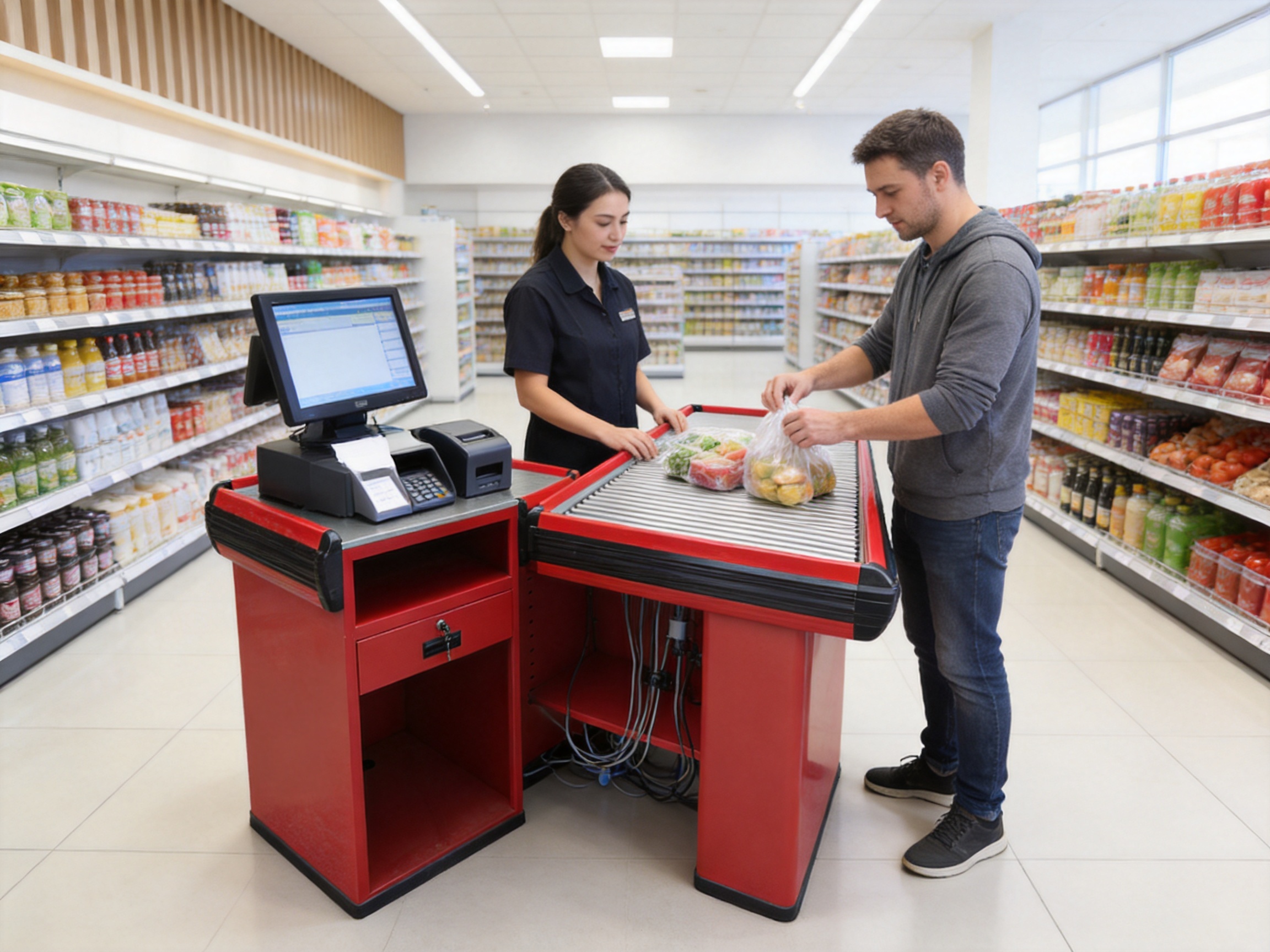
Supermarkets require checkout stations that can accommodate high transaction volumes and a broad range of products. The anti-slip surface can help stabilize packaged goods, while the equipment area provides room for a scanner and receipt printer. The compact format can also be useful when a store needs to add or reorganize checkout lanes.
For supermarkets with multiple counters, consistent dimensions and finishes can create a unified visual appearance. Standardized counters may also simplify employee training because the location of the cash drawer and equipment remains familiar from one lane to another.
4.2 Convenience stores
Convenience stores often operate within limited floor areas and depend on fast transactions. A compact checkout counter can preserve aisle space while still providing the basic features needed for scanning, payment, and receipt handling.
The integrated cash drawer is useful where the cashier must manage several responsibilities from one position. Depending on the store layout, the counter can be positioned near the entrance, behind a service window, or beside a small product display area.
4.3 Clothing and fashion boutiques
In a boutique, the checkout area is part of the store’s visual presentation. Customers may expect a clean and attractive payment station that matches the surrounding displays. The counter can be customized in size, finish, and appearance to suit the store’s interior design.
Although fashion retailers may process fewer items per transaction than supermarkets, they still need secure cash storage, space for a payment terminal, receipt printing, and room for folded garments or accessories. The counter provides these essential functions in a professional workstation.
4.4 Pharmacies
Pharmacies benefit from orderly counters because transactions may involve prescriptions, packaged healthcare products, receipts, customer documents, and payment equipment. A dedicated checkout station can help keep these items organized while supporting a clear customer service process.
Depending on local requirements and store procedures, the counter may be adapted with additional privacy considerations, equipment space, or storage provisions. Custom dimensions can help the workstation fit into an existing pharmacy layout.
4.5 Gift shops and specialty stores
Gift shops and specialty stores often carry products with different shapes, sizes, and packaging materials. The anti-slip countertop can provide a stable place for fragile or small items during payment. The counter may also be customized to reflect the store’s brand style and customer experience.
4.6 General commercial environments
The counter can be used in many other environments where goods are scanned and payments are processed. These may include hardware stores, school shops, museum stores, small department stores, food retailers, service counters, and distribution showrooms.
Its adaptability comes from the combination of a practical structure and customizable dimensions. Rather than limiting the product to a single retail format, the design provides a foundation that can be adjusted for different equipment, space limitations, and operating procedures.
5. Customization and OEM/ODM Capabilities
Retailers often have requirements that cannot be met by a single standard size. A checkout counter may need to fit between a wall and a display rack, align with a specific queue system, accommodate an existing POS device, or match the dimensions of a store’s entrance and exit area.
The product information identifies customizable sizing as one of the counter’s key features. This allows the buyer to discuss the required length, width, height, equipment openings, drawer configuration, surface finish, and other details before manufacturing.
5.1 Size customization
Size customization helps retailers use available floor space more effectively. A narrow counter may be appropriate for a small convenience store, while a wider model may be preferred for a supermarket with a larger product handling area. Height can also be reviewed to support cashier comfort and customer accessibility.
Before confirming the design, the retailer should provide accurate site measurements. These may include the available wall length, aisle width, queue direction, electrical outlet position, equipment dimensions, and required clearance for staff movement.
5.2 Equipment integration
Different retailers use different scanners, printers, payment terminals, monitors, and POS systems. Equipment integration should therefore be discussed before production. The supplier can review the dimensions and placement of the intended devices and determine how they can be accommodated within the counter.
Planning equipment integration in advance can reduce the need for on-site modifications. It may also help keep the counter surface more organized and ensure that devices are positioned at practical working heights and distances.
5.3 Appearance and finish
Retailers may request finishes that match their existing shelves, display racks, wall panels, or corporate colors. The counter can be considered as part of a broader store fixture system rather than as an isolated item.
A coordinated finish can improve visual consistency across the store. For multi-location businesses, a repeatable design can help create a recognizable customer experience from one branch to another.
5.4 OEM and ODM support
OEM and ODM capabilities are valuable for importers, wholesalers, retail chains, project contractors, and furniture distributors. OEM production can support buyers that already have a design or technical specification. ODM support can assist buyers that need professional input during the development of a new counter layout.
A supplier with product development, engineering, production, quality control, and market service capabilities can support more than basic order fulfillment. It can help evaluate material choices, review structural requirements, coordinate sample development, and organize repeat production according to an agreed specification.
6. Manufacturing Strengths Behind the Product
6.1 Integrated product development and production
Shanghai King Global Shelf Co., Ltd. is described as a professional manufacturer specializing in the development, production, and sales of shelving and storage products. This integrated structure is relevant to checkout counter production because it connects design decisions with manufacturing capabilities.
When product development and production are closely coordinated, the supplier can review whether a proposed design is practical to manufacture, assemble, package, transport, and install. This can help reduce avoidable design complications and improve consistency between the approved drawing and the finished product.
6.2 Modern production base
The company operates a 60,000-square-meter production base and has more than 300 employees. A production base of this scale can support multiple product categories, coordinated production scheduling, material handling, assembly operations, quality inspections, and order management.
For customers, manufacturing scale can be important when purchasing several counters, combining checkout units with shelving products, or planning repeat orders for expanding retail operations. A supplier with broader production capacity may be better positioned to support both standard quantities and larger commercial projects.
6.3 Technical team and manufacturing processes
A professional technical team contributes to the development of practical retail fixtures. The technical process may include reviewing customer drawings, confirming measurements, preparing production documentation, checking equipment compatibility, selecting materials, and supporting sample approval.
For customized checkout counters, technical coordination is especially important. A small error in the position of a drawer, scanner opening, or cable passage can affect the daily usability of the workstation. Careful design review before production helps ensure that the finished counter meets the intended operating requirements.
6.4 Quality control system
Quality control is essential for commercial furniture because the products must remain stable, functional, and visually acceptable after repeated use. A comprehensive quality process may include incoming material inspection, dimensional checks, structural verification, surface inspection, assembly testing, and final packing review.
For the checkout counter, quality attention should focus on the strength of the supporting frame, the smooth operation of the drawer, the accuracy of equipment openings, the condition of the countertop, the consistency of surface finishes, and the overall stability of the assembled product.
Quality control should not be viewed as a single inspection at the end of production. It is more effective when quality requirements are considered throughout the manufacturing process, from material selection and cutting to forming, welding, finishing, assembly, and packing.
6.5 Reliable manufacturing processes
Reliable manufacturing processes help ensure that repeated orders remain consistent. This is important for retail chains and project buyers that may purchase checkout counters in phases. Consistent dimensions, colors, component positions, and structural details make it easier to expand an existing store system.
Process consistency also supports installation planning. When products are made according to approved drawings and documented specifications, installers can prepare the site with greater confidence and reduce the possibility of unexpected adjustments.
6.6 International supply experience
The company’s products are exported to North America, Southeast Asia, Japan, South Korea, the Middle East, Europe, and other regions. International supply experience can help a manufacturer understand the importance of packaging, documentation, communication, production schedules, and regional project requirements.
Retail fixture orders may involve complex coordination between the buyer, designer, contractor, shipping provider, and local installation team. Experience with overseas customers can support clearer communication and more organized order execution.
7. Materials, Construction, and Production Considerations
The long-term performance of a checkout counter depends on the relationship between its design, materials, construction methods, and operating environment. Retailers should evaluate the product not only by its appearance but also by how it will be used every day.
7.1 Structural design
The supporting structure should be designed to handle the expected load of checkout equipment and daily product handling. Reinforcement is particularly important around the cash drawer, equipment opening, and areas where customers place heavier shopping bags.
A well-planned structure distributes loads effectively and reduces stress on individual panels or joints. It should also maintain its alignment after assembly so that drawers, doors, and equipment openings continue to function correctly.
7.2 Surface protection
Retail counters are exposed to friction, cleaning, handling, and occasional impacts. A suitable surface finish helps protect the material and supports the product’s visual appearance. The specific finish can be selected according to the buyer’s design, environmental conditions, and cleaning practices.
Surface protection is also connected to hygiene and maintenance. A finish that can be wiped clean without excessive effort is more appropriate for a high-contact checkout area than a surface that easily absorbs stains or shows damage.
7.3 Assembly and installation
Before installation, the buyer should confirm whether the product will be delivered assembled, partially assembled, or in knock-down form. This decision may depend on shipping dimensions, access to the store, installation labor, and project schedule.
Installation planning should include floor level, wall clearance, electrical supply, equipment placement, customer queue direction, and access for service or maintenance. A customized production drawing can help all parties understand the intended final arrangement.
7.4 Packaging for transportation
Checkout counters may travel long distances before reaching the final store. Proper packaging helps protect corners, surfaces, drawers, fittings, and equipment openings during handling and transportation. Packaging requirements should be discussed according to the shipping method and destination.
For international orders, packaging must also support efficient container utilization while maintaining sufficient protection. Clear labeling and component identification can make receiving and installation easier for the buyer’s warehouse or project team.
8. Operational Benefits for Retailers
8.1 More efficient cashier movement
A workstation with clearly positioned equipment can reduce unnecessary reaching and turning. The cashier can follow a repeatable movement pattern as products are scanned, payments are processed, and receipts are issued.
Small improvements in movement can have meaningful effects over a full shift. Reduced clutter and more accessible equipment may help employees maintain concentration and reduce avoidable interruptions during busy periods.
8.2 Improved transaction organization
The counter provides separate functional areas for cash storage, scanning, equipment, and product placement. This supports a clearer transaction sequence and helps prevent processed items from being confused with unprocessed goods.
The anti-slip work surface is especially useful when several products are waiting to be scanned or transferred to bags. By helping keep items in position, it supports a more orderly process.
8.3 Better use of sales-floor space
Retailers must balance operational requirements with sales opportunities. A compact checkout counter can help preserve room for displays, promotional merchandise, customer aisles, and queue areas.
In small stores, better use of floor space can be critical. The counter allows the business to create a proper checkout station without giving up an excessive portion of the available selling area.
8.4 Easier maintenance routines
Easy-to-clean surfaces make it simpler for staff to maintain the appearance of the checkout area. A clean counter supports customer confidence and can contribute to a more positive impression of the store.
Maintenance also includes checking the cash drawer, equipment position, fasteners, surface condition, and cable organization. A well-designed workstation makes these checks easier to complete consistently.
8.5 Support for store expansion
Retailers that plan to open additional branches may benefit from using a repeatable checkout counter design. Standardized dimensions and appearance can make procurement more predictable and help maintain a consistent customer experience.
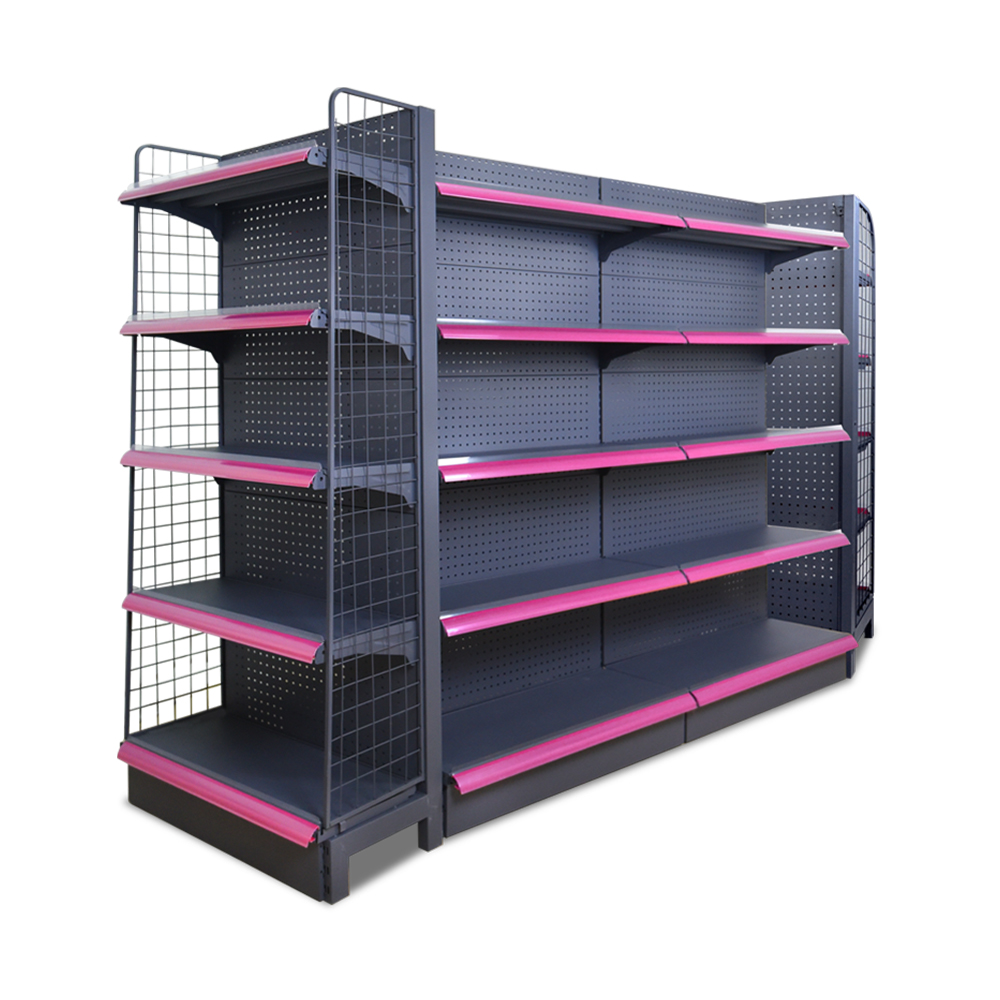
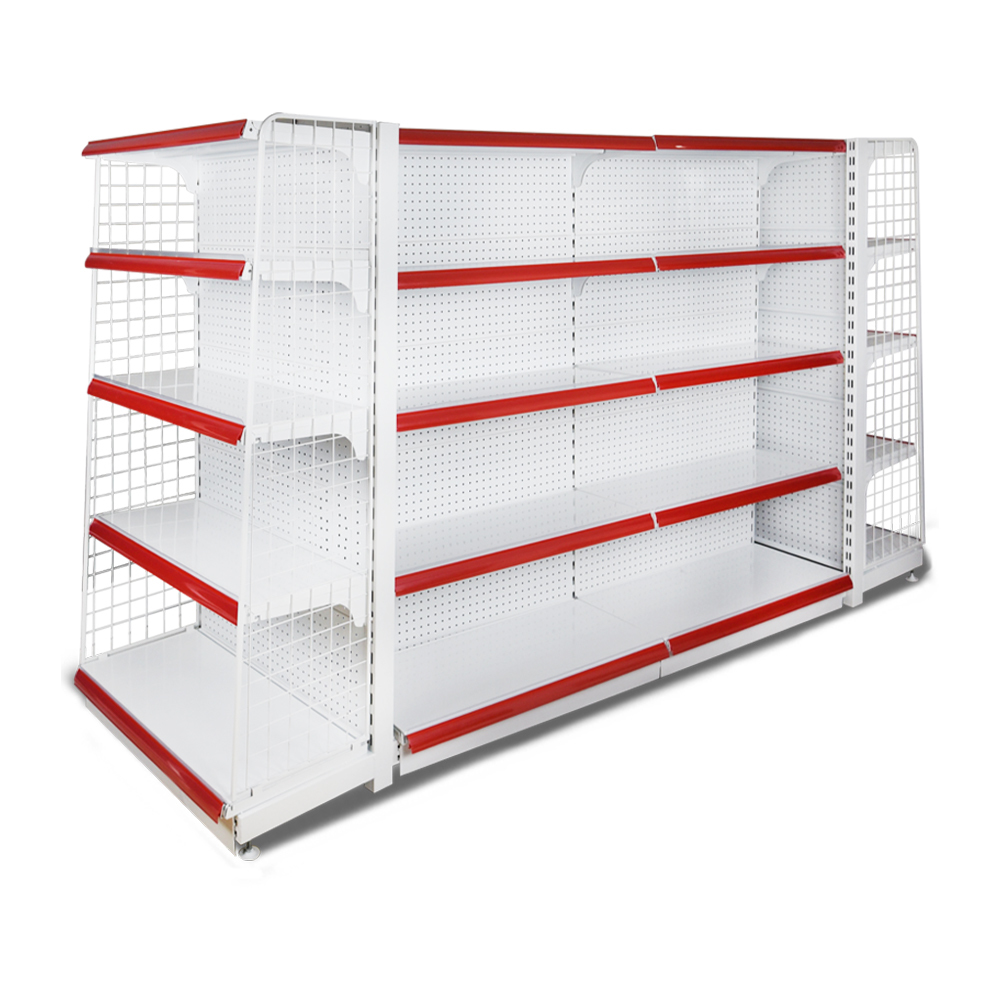
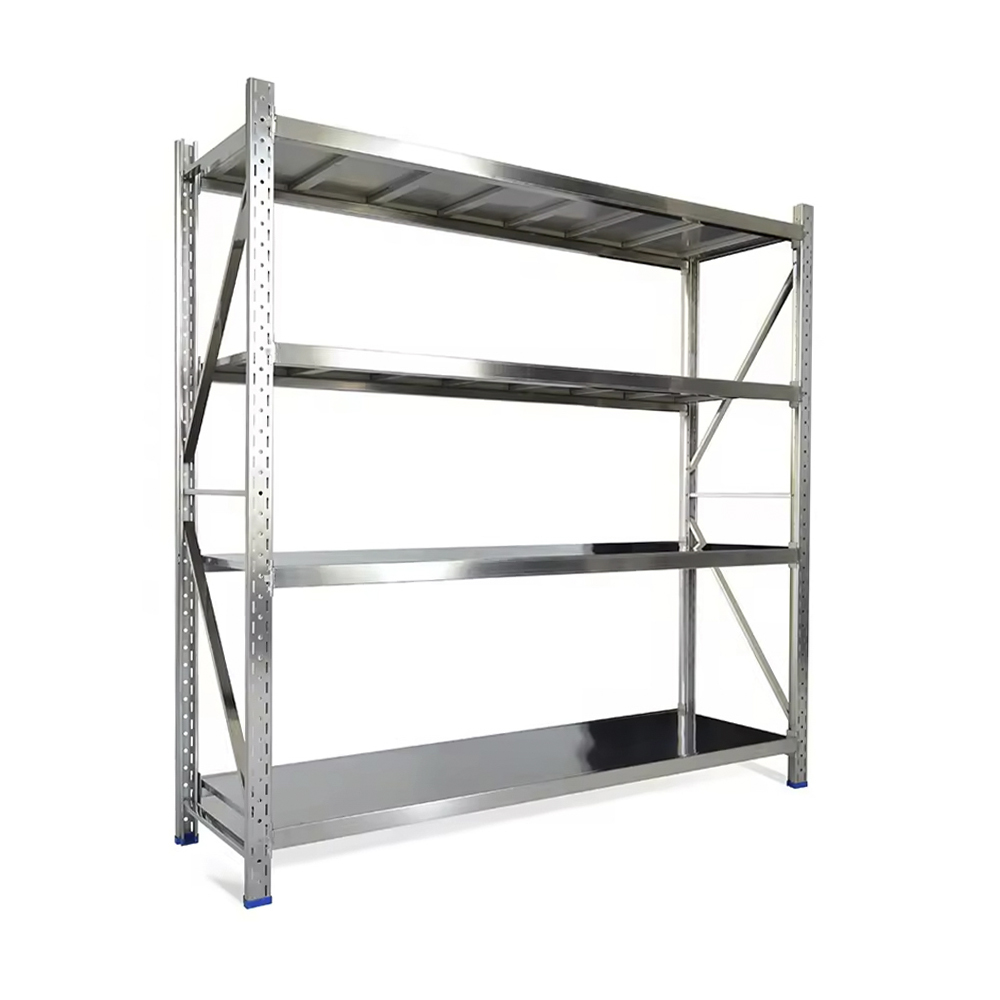
A manufacturer capable of producing customized storage and retail fixtures can also support wider store development projects. Checkout counters may be coordinated with supermarket shelves, warehouse racks, display fixtures, and other storage products.
9. Selecting the Right Configuration
Before ordering, retailers should define the operational requirements of the intended checkout area. This helps ensure that the selected counter supports actual working conditions rather than only meeting a general visual preference.
| Selection Factor | Questions to Consider | Why It Matters |
|---|
| Store type | Will the counter be used in a supermarket, convenience store, boutique, pharmacy, or specialty shop? | Different retail formats require different product handling and presentation features. |
| Available space | What are the available length, width, height, aisle clearance, and queue dimensions? | Accurate measurements help prevent congestion and installation problems. |
| Equipment | Which scanner, printer, POS monitor, payment terminal, and customer display will be installed? | Equipment dimensions determine openings, working space, and cable-routing requirements. |
| Cash handling | What drawer size, internal organization, and security provisions are required? | The cash drawer should support the store’s daily transaction process. |
| Surface needs | Will the counter handle glass bottles, heavy goods, small packages, or folded garments? | The surface should support stable and safe product placement. |
| Appearance | Should the finish match existing shelves, wall panels, or corporate colors? | A coordinated appearance improves the overall store environment. |
| Order volume | Is the purchase for one store, several branches, or a larger retail project? | Quantity affects production planning, packaging, shipping, and repeat-order consistency. |
| Installation | Will the buyer use local installers or require installation guidance? | Early planning helps ensure smooth delivery and setup. |
9.1 Measuring the store area
Measurements should be taken from finished walls, floors, columns, neighboring shelves, and other permanent features. The buyer should also measure the space required for customer queues and cashier movement, not only the counter itself.
It is important to consider door openings, elevators, stairways, loading areas, and corridors if the counter will be delivered as a large assembled unit. If access is limited, a modular or partially assembled configuration may be more suitable.
9.2 Confirming equipment dimensions
Equipment should be measured at its widest, deepest, and highest points, including stands, cable connectors, paper rolls, and movable components. The retailer should also identify which devices need to be recessed and which can sit on the countertop.
Providing equipment drawings or clear photographs can help the manufacturer review the design more accurately. This is particularly important for custom orders.
9.3 Considering employee comfort
The counter should support comfortable cashier movement and provide enough room for essential work tools. The height, drawer position, scanner location, and available legroom should be reviewed before production.
Employee comfort is not separate from productivity. A workstation that supports natural movement can help staff maintain a consistent pace and reduce physical inconvenience during long shifts.
10. Installation and Daily Use Recommendations
10.1 Prepare the site
The installation area should be clean, level, and free from obstacles. Electrical outlets and network connections should be identified before the counter arrives. If the counter will connect to a store-wide POS system, the relevant cables should be planned in advance.
10.2 Check all components
Upon delivery, the buyer should inspect the packaging and verify that all components, fittings, drawers, panels, and installation instructions are present. Any visible transportation damage should be documented promptly according to the agreed receiving procedure.
10.3 Level and secure the counter
The counter should be positioned on a stable floor and leveled before equipment is installed. If the design requires anchoring or connection to adjacent fixtures, these steps should be completed according to the manufacturer’s instructions.
10.4 Organize equipment and cables
Scanners, printers, payment terminals, and monitors should be positioned so that they do not obstruct the product handling area. Cables should be routed safely and kept away from areas where they could be pulled, crushed, or exposed to spilled liquids.
10.5 Establish cleaning procedures
Store employees should follow a regular cleaning routine using methods appropriate for the counter’s surface finish. Spills should be removed promptly, and abrasive tools or unsuitable chemicals should be avoided unless specifically approved.
10.6 Inspect the workstation regularly
Routine inspections should include the counter’s stability, drawer operation, fasteners, surface condition, equipment supports, and cable organization. Early attention to loose fittings or damaged surfaces can help prevent larger operational problems.
11. Why Manufacturing Experience Matters to Buyers
A checkout counter is a visible and frequently used piece of retail infrastructure. Choosing a supplier with manufacturing experience can reduce uncertainty during product development, customization, and delivery.
A manufacturer that produces shelving and storage systems understands the importance of load support, space utilization, modular design, surface durability, and commercial installation. These capabilities are directly relevant to the development of cashier counters and other retail fixtures.
Manufacturing experience also supports better communication. Buyers can discuss drawings, sample requirements, material preferences, production schedules, packaging, and quality standards with a supplier that understands the complete product process.
For international customers, a supplier with export experience can provide additional value through organized order coordination and familiarity with overseas project requirements. This does not eliminate the need for clear specifications, but it can make the cooperation process more efficient.
12. Sustainability and Long-Term Value
Long-term value is an important consideration when purchasing retail furniture. A low initial price may not represent the best investment if the product requires frequent replacement, creates operational problems, or cannot be adapted when the store layout changes.
A durable, repairable, and customizable checkout counter may provide better value over its service life. If the counter remains stable, cleanable, and compatible with updated equipment, the retailer may be able to use it through several technology or layout changes.
Customization can also reduce waste by helping the buyer order a counter that fits the available space instead of modifying or replacing an unsuitable standard model. Proper planning before production is therefore beneficial from both an operational and resource-efficiency perspective.
Manufacturers can further support responsible purchasing by improving material utilization, optimizing packaging, reducing production defects, and maintaining consistent quality. Efficient manufacturing processes help reduce unnecessary rework and improve the reliability of delivered products.
13. Frequently Asked Questions
13.1 What type of business can use this checkout counter?
The counter is suitable for supermarkets, convenience stores, boutiques, clothing shops, pharmacies, gift shops, specialty retailers, general stores, and other commercial environments that require a dedicated cashier workstation.
13.2 Does the counter include a cash drawer?
Yes. The design includes a built-in cash drawer for organizing cash, coins, checks, and other transaction-related items. The exact configuration and security requirements should be confirmed before production.
13.3 Is there space for a barcode scanner?
Yes. The counter includes a dedicated space for a barcode scanner and can also accommodate other checkout equipment, such as a receipt printer, POS device, payment terminal, or customer display, subject to the final design.
13.4 Can the counter size be customized?
Yes. Customizable sizing is one of the stated product features. Buyers can discuss the required dimensions according to the store layout, equipment, aisle clearance, and cashier working area.
13.5 Can the counter be made for OEM or ODM projects?
Yes. The manufacturer provides standard products as well as customized OEM and ODM solutions. Buyers may submit drawings, dimensions, equipment requirements, finish preferences, or project specifications for review.
13.6 Is the countertop suitable for fragile or smooth goods?
The anti-slip countertop is designed to help keep goods stable during checkout. It can be useful for packaged products, bottles, containers, and other items that may move on a smooth surface. Retailers should still handle fragile products carefully.
13.7 Is the counter suitable for small stores?
Yes. Its compact, space-saving design makes it suitable for small and medium-sized retail stores where floor space is limited. It can provide essential checkout functions without requiring a large service area.
13.8 How should the counter be cleaned?
The counter should be cleaned regularly with methods suitable for its surface finish. Spills and debris should be removed promptly, while abrasive materials and unapproved chemicals should be avoided.
13.9 Can the counter match existing store fixtures?
The appearance and finish can be discussed during customization. Retailers may request a design that coordinates with existing supermarket shelves, display racks, wall panels, or other fixtures.
13.10 What should buyers provide before requesting a quotation?
Buyers should provide the intended use, quantity, store dimensions, preferred counter size, equipment details, cash drawer requirements, finish preferences, delivery location, and any available drawings or photographs. Clear information helps the manufacturer prepare a more accurate proposal.
13.11 Can the counter be used in multiple checkout lanes?
Yes. Multiple counters can be produced with consistent dimensions and finishes for supermarkets, chain stores, and larger retail projects. The buyer should confirm the required lane configuration and any shared queue or conveyor arrangements.
13.12 What makes this counter different from a regular table?
This counter is designed specifically for retail checkout work. It combines a reinforced structure, built-in cash storage, scanner space, an anti-slip countertop, compact dimensions, and customization options in one workstation.
14. Conclusion
The Supermarket Checkout Cashier Desk Counter is a practical solution for retailers that need a stable, organized, and space-efficient payment workstation. Its reinforced structure supports commercial use, while the built-in cash drawer and dedicated scanner space help organize essential checkout equipment. The anti-slip countertop assists with safer product placement, and the compact design allows the counter to fit into stores with limited floor space.
Compared with improvised checkout furniture, the counter offers a more coordinated and professional approach. It is designed around the actual workflow of retail transactions rather than adapted from a general-purpose table or desk. This can help improve cashier movement, maintain a cleaner work area, and create a more consistent customer experience.
The product is also supported by the manufacturing capabilities of Shanghai King Global Shelf Co., Ltd., including product development, modern production facilities, technical support, quality control, and international supply experience. With a 60,000-square-meter production base and more than 300 employees, the company can support standard orders as well as customized OEM and ODM projects.
For buyers, the most important step is to define the required size, equipment, finish, installation method, and store layout before production. With accurate planning, the checkout counter can become an integrated part of a broader retail fixture system that includes shelves, storage solutions, display equipment, and other commercial furniture.
For supermarkets, convenience stores, boutiques, pharmacies, gift shops, and other retailers, a well-designed checkout counter is an investment in daily efficiency, store organization, employee usability, and customer satisfaction. Its combination of durable construction, integrated functions, compact design, and customization potential makes it a flexible solution for modern retail environments.
References
1. Product specification and feature information for the Supermarket Checkout Cashier Desk Counter.
2. Company information concerning Shanghai King Global Shelf Co., Ltd., its manufacturing base, technical team, product development, quality control, and international supply experience.
3. General principles of retail store planning, checkout workstation organization, and commercial fixture design.
4. General guidance on retail equipment integration, cashier workflow, workplace organization, and store space utilization.
5. General manufacturing considerations for customized shelving, storage systems, retail counters, and OEM/ODM commercial fixtures.


 English
 Español
 русский
 Français
 한국어
 عربى
 ไทย
 Deutsch
 Bahasa Melayu
 Português
 Polskie