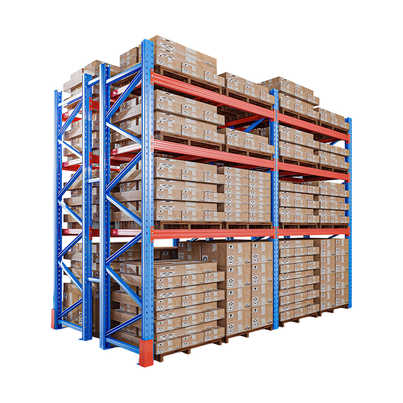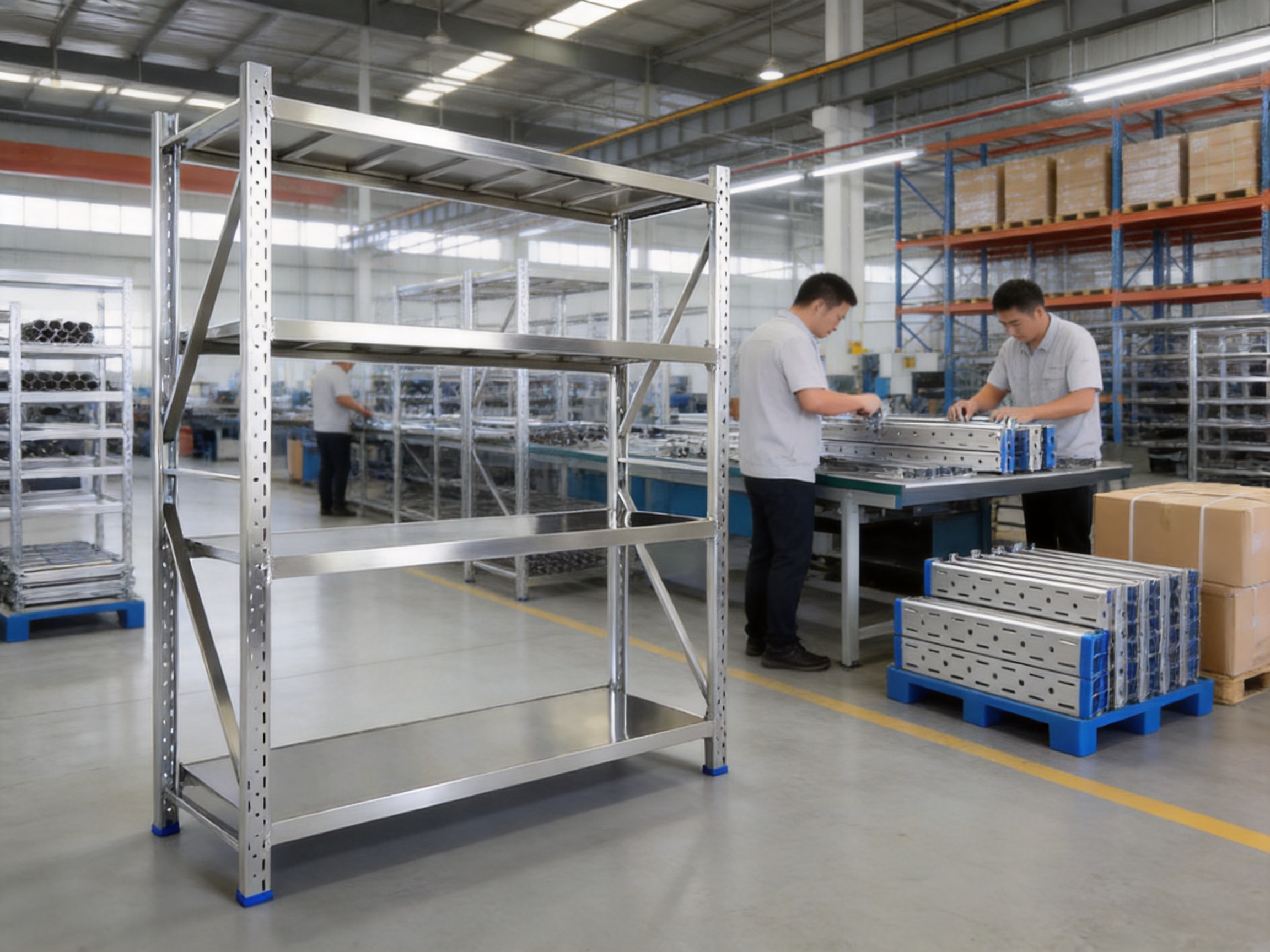
Efficient storage is essential in kitchens, warehouses, clean rooms, workshops, supermarkets, garages, offices, and other working environments. The right shelving system does more than hold products. It helps organizations use vertical space, protect inventory, improve workplace safety, simplify cleaning, and create a more organized operation. When storage equipment must withstand heavy loads, humidity, frequent handling, and long-term use, stainless steel shelving provides a practical and dependable solution.
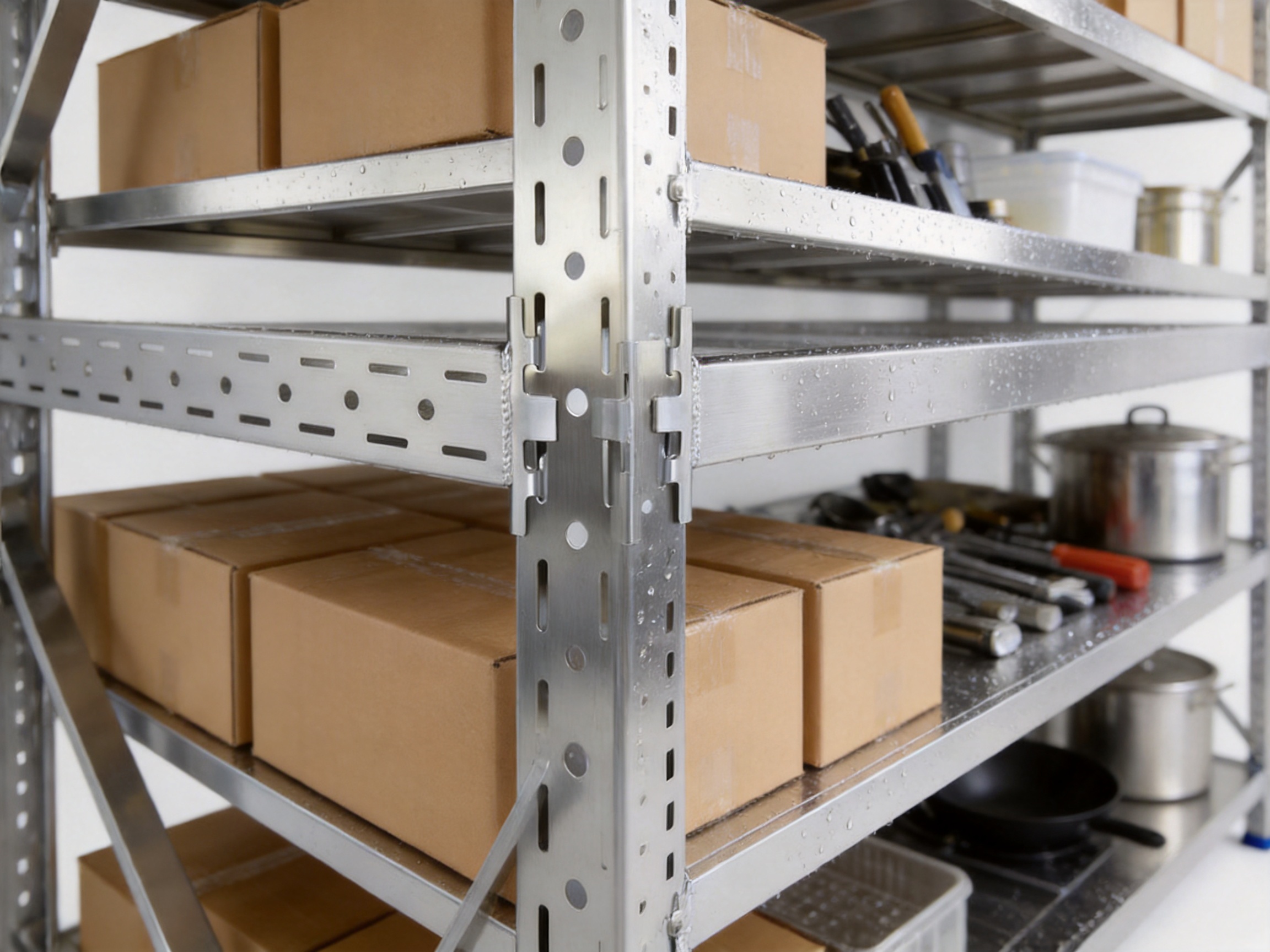
Stainless Steel Storage Rack Shelves for Kitchen & Warehouse are designed for demanding storage applications where strength, hygiene, corrosion resistance, and easy maintenance are important. With a load capacity of up to 500 kilograms per layer, these heavy-duty shelves can support industrial equipment, tools, bulk goods, kitchen supplies, household appliances, containers, cartons, and many other items. Their reinforced structure, solid punched uprights, thickened beam claws, adjustable shelf heights, and anti-toppling foot caps create a secure and flexible storage platform.
This article examines the design, benefits, applications, manufacturing strengths, customization capabilities, and purchasing considerations associated with this type of stainless steel storage rack. It also explains why an experienced OEM and ODM manufacturer can provide advantages over basic shelving suppliers and why stainless steel is often a better long-term investment than ordinary painted or untreated steel in demanding environments.
Why Stainless Steel Shelving Is Important in Modern Storage
Storage environments are rarely static. Products are moved, replenished, inspected, cleaned, and reorganized every day. Shelves may be exposed to moisture, grease, cleaning chemicals, temperature changes, dust, vibration, and accidental impacts. A shelving system that performs well in a dry office may not be appropriate for a commercial kitchen, food preparation area, warehouse, garage, or humid production space.
Stainless steel is valued because it combines structural performance with resistance to rust, staining, and corrosion. Its smooth surface does not easily absorb dirt or liquids, and it can be wiped down with a damp cloth or mild detergent. This is particularly useful in places where hygiene and routine sanitation are part of daily operations.
Ordinary steel shelving often depends on paint or powder coating to prevent corrosion. Although coatings can be effective, scratches, chips, and prolonged exposure to humidity may eventually expose the underlying metal. Stainless steel provides a naturally corrosion-resistant surface throughout the material, which helps reduce concerns related to peeling paint, exposed areas, and difficult-to-maintain finishes.
The value of stainless steel is not limited to appearance. A well-designed stainless steel rack can provide a long service life while reducing maintenance requirements. It can also support a cleaner and more professional environment in facilities where customers, inspectors, employees, or business partners may see the storage area.
Product Overview
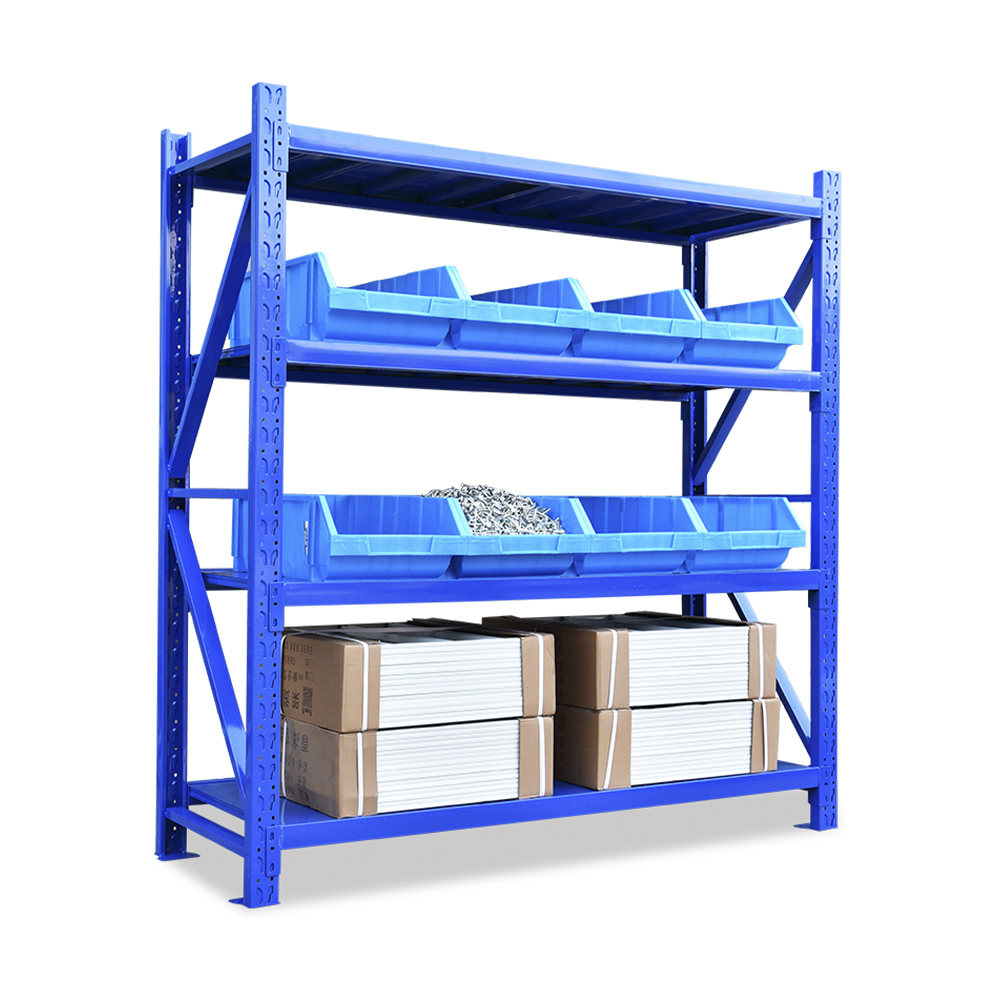
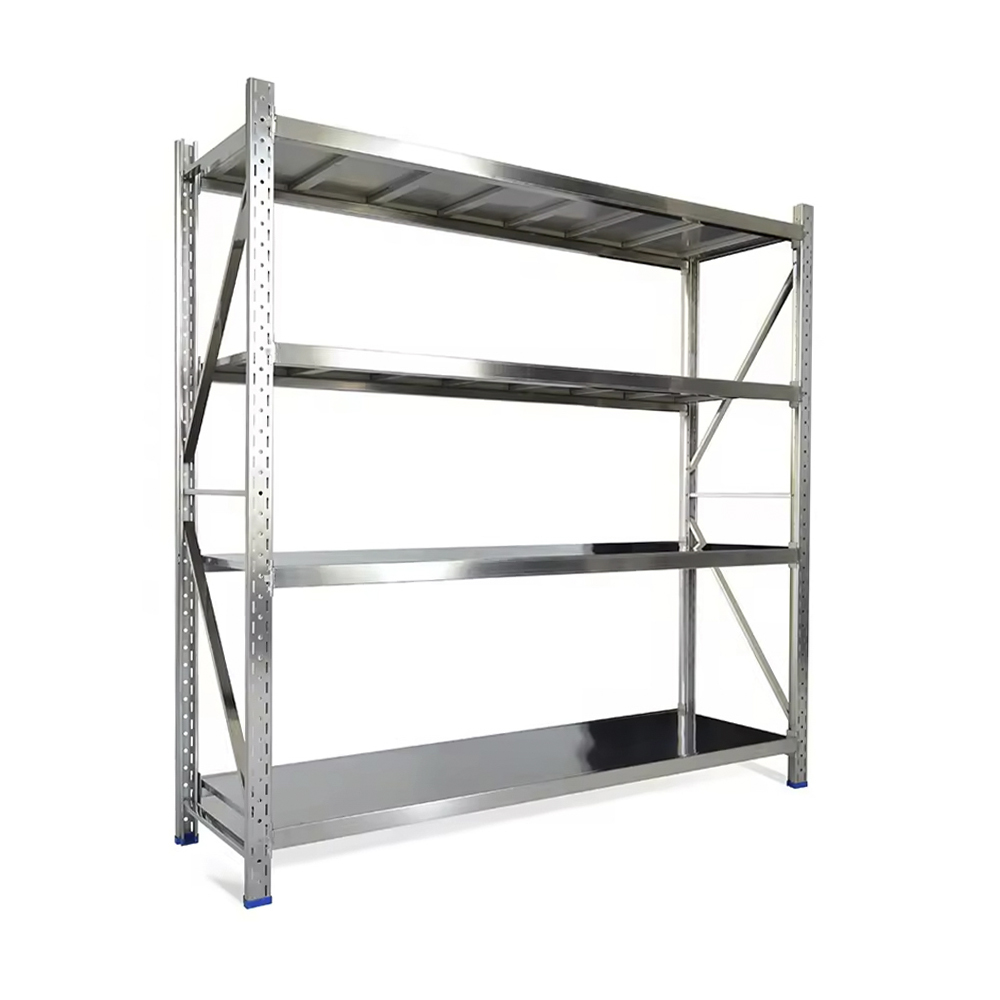
The Stainless Steel Storage Rack Shelves for Kitchen & Warehouse are heavy-duty modular shelves developed for industrial, commercial, and household use. The rack uses stainless steel construction, reinforced beams, punched upright columns, adjustable shelf levels, and stable foot caps. Each layer is designed to carry up to 500 kilograms when the load is properly distributed and the rack is installed and used according to the applicable requirements.
The shelves can be configured for different storage layouts. Users can adjust the shelf heights to accommodate small containers, large cartons, equipment, tools, appliances, or irregularly shaped goods. This adaptability helps businesses avoid wasted vertical space and allows a single shelving design to support different inventory categories.
The rack is suitable for warehouses, kitchens, clean rooms, workshops, garages, back-of-house areas, storerooms, commercial facilities, and other locations that require strong and hygienic storage. It can also be used in homes where users need durable shelving for pantry supplies, tools, appliances, laundry products, or bulk household goods.
| Feature | Product Benefit | Typical Value to the User |
|---|
| Stainless steel construction | Resists rust, corrosion, and stains | Longer service life and easier cleaning |
| 500 kg capacity per layer | Supports heavy products and equipment | Fewer shelves may be needed for high-density storage |
| Solid punched uprights | Improves rigidity and structural support | Greater stability under heavy loading |
| Reinforced beams | Helps prevent bending and deformation | Reliable performance during long-term use |
| Adjustable shelf heights | Allows flexible storage layouts | Better use of vertical space |
| Tool-free assembly hardware | Simplifies installation | Reduced assembly time and labor requirements |
| Anti-toppling foot caps | Improves stability and protects flooring | Safer placement in commercial and household environments |
Heavy-Duty Load Capacity for Serious Storage Requirements
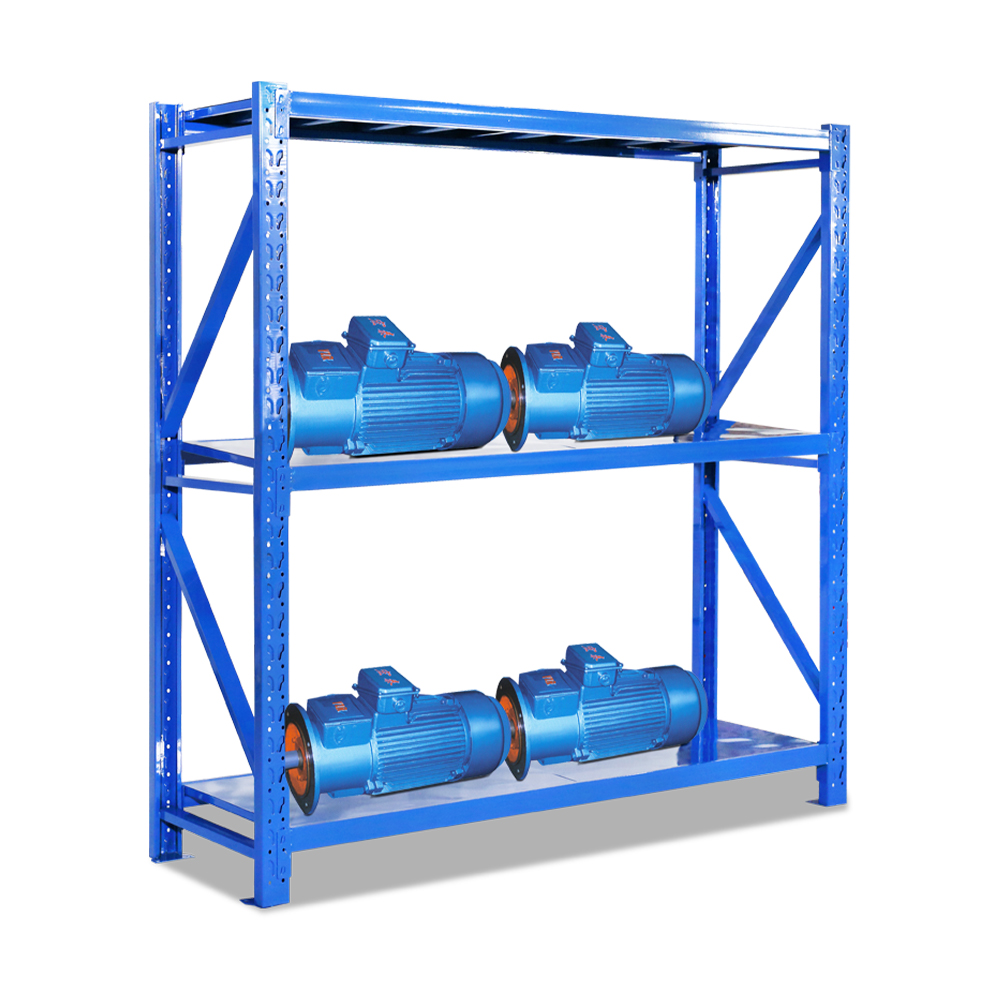
One of the product’s most important advantages is its stated load capacity of 500 kilograms per layer. This capacity makes the rack suitable for applications that exceed the capabilities of lightweight household shelving. Heavy cartons, industrial tools, machine components, bulk ingredients, appliances, containers, and warehouse stock can all require substantial support.
A high load rating can improve storage density. When each level can support significant weight, a facility may be able to organize more inventory vertically instead of spreading products across a larger floor area. This is especially valuable in warehouses, kitchens, workshops, and storerooms where available space is limited or expensive.
Load capacity is influenced by more than the shelf panel alone. The uprights, beams, connectors, feet, fasteners, shelf spacing, floor condition, and load distribution all affect the stability of the complete system. The reinforced structure of this rack is intended to work as an integrated support system. The solid punched columns provide vertical support, while the beams connect the frame and help distribute weight across the rack.
For safe operation, users should place heavy items evenly, keep the rack on a stable and level surface, avoid exceeding the stated capacity, and follow the supplier’s installation and loading guidance. Very heavy items should generally be stored at lower levels to reduce the center of gravity and make handling safer.
Compared with thin utility shelves designed for light domestic use, a 500-kilogram-per-layer system offers a substantially stronger platform for professional storage. It is better suited to facilities where shelves are loaded frequently, inventory is dense, and products must remain securely supported for long periods.
Solid Punched Uprights for Better Stability
The upright column is one of the most important structural components of a shelving system. If the columns are weak, flexible, or poorly connected, the rack may wobble, deform, or become unstable when loaded. The solid punched upright design used in this product improves the connection between the uprights and the shelf beams while creating a structured framework for adjustable shelf levels.
Punched uprights contain regularly spaced connection points that allow the beams to be installed at different heights. This provides flexibility without requiring permanent welding at every shelf position. The solid column profile also contributes to rigidity and helps the rack maintain its shape when carrying heavy loads.
Compared with basic shelving that uses narrow posts or loosely fitted connections, a properly engineered punched upright system can provide a more secure and professional result. The repeated connection points also make it easier to modify the shelf arrangement as storage needs change.
For warehouses and commercial kitchens, adaptability is important. A facility may store tall containers during one season and smaller boxes or trays during another. Adjustable uprights allow the same rack to be reorganized rather than replaced, helping extend the practical value of the storage investment.
Reinforced Beams and Thickened Beam Claws
The beams carry and distribute the load between the upright columns. In a heavy-duty rack, the beams must resist bending and maintain a secure connection under repeated loading. Reinforced beams help create a strong frame, while thickened beam claws improve the connection between each beam and the punched upright.
The beam claws are important because they help lock the horizontal members into the vertical columns. A secure connection reduces unwanted movement and helps prevent wobbling when the shelves are loaded or when workers handle products. The thickened design provides additional material at a high-stress connection point, supporting long-term structural reliability.
Many low-cost shelves focus primarily on reducing material use. Such designs may be acceptable for light storage, but they can become unstable when overloaded or subjected to frequent movement. The reinforced beam and claw design of this product is intended for heavier and more consistent use, making it better suited to industrial and commercial environments.
The combination of reinforced beams and solid punched uprights creates a frame that works as a unified structure. This is one reason why the rack can provide a higher level of stability than simple freestanding shelves assembled from thin panels and lightweight posts.
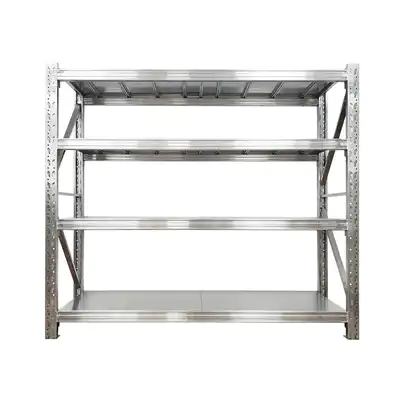
Stainless Steel Storage Rack Shelves for Kitchen & Warehouse
Corrosion Resistance for Humid and Demanding Environments
Moisture is a major cause of damage to metal storage equipment. Kitchens may expose shelving to steam, water, food residue, and cleaning agents. Garages and workshops may experience condensation, oil, and changing temperatures. Warehouses located near coastal areas or in humid climates may also place greater demands on storage equipment.
Stainless steel is naturally resistant to rust and corrosion, making it a suitable material for environments where ordinary steel may deteriorate more quickly. The material helps maintain a clean appearance and reduces the risk of rust particles contaminating stored goods or marking floors and walls.
Corrosion resistance is especially valuable in food-related areas, medical support spaces, clean rooms, laboratories, laundry rooms, and industrial facilities with regular washing or sanitation. While stainless steel is not immune to every chemical or condition, it generally offers a strong performance advantage over untreated steel and many damaged coated surfaces.
Users should still follow suitable cleaning practices. Chloride-rich chemicals, abrasive tools, and prolonged exposure to harsh substances may affect the surface of stainless steel. Routine cleaning with a soft cloth, water, and an appropriate mild detergent is normally sufficient for dust, grease, fingerprints, and ordinary stains.
Compared with painted shelving, stainless steel also helps maintain a consistent appearance over time. A scratch on a coated shelf may expose a contrasting metal layer and create a potential corrosion point. Stainless steel remains visually uniform and can often be restored through proper cleaning and maintenance.
Easy Cleaning and Hygienic Performance
The smooth, non-porous surface of stainless steel is easy to wipe and does not readily retain dirt. This supports efficient cleaning routines in commercial kitchens, food storage areas, restaurants, supermarkets, healthcare support facilities, and other environments where cleanliness matters.
Cleaning the rack typically requires a damp cloth or sponge and a mild detergent. Grease, dust, light stains, and routine spills can be removed without complicated procedures. The simple cleaning process helps reduce labor time, which can be important for businesses that maintain large numbers of shelves.
Open shelving also improves visibility. Workers can see stored products from several angles, identify low stock levels, and clean around the storage area more easily than they could with closed cabinets or poorly designed storage furniture. Adjustable levels make it possible to avoid unnecessary gaps that collect dust or create difficult-to-reach areas.
In a busy kitchen or warehouse, easy maintenance contributes to operational efficiency. Employees can clean the shelves during routine shifts without removing large amounts of equipment or using specialized tools. A clean and organized storage system can also support better inventory control and safer working conditions.
Flexible Adjustable Shelf Heights
Different products require different amounts of vertical clearance. Small containers may need only a compact space, while cartons, appliances, tools, and large ingredient bins require much more room. Adjustable shelf heights allow the rack to be configured around the actual dimensions of the stored products.
This flexibility prevents the inefficient use of space. Fixed shelves may leave large empty gaps above short items or fail to accommodate tall products. Adjustable shelves allow users to create a more compact and efficient arrangement, increasing usable storage volume within the same floor footprint.
Adjustability is also useful when a business changes its inventory. A warehouse may handle new product categories, a restaurant may change its menu and ingredients, or a household may purchase different appliances and supplies. Instead of replacing the entire shelf, the user can modify the layout.
The punched upright system supports repeated adjustments while maintaining a neat and systematic appearance. Shelf levels can be organized according to product frequency, weight, size, or workflow. Frequently used items can be placed at convenient heights, while heavier or less frequently accessed items can be positioned lower or higher according to safe handling practices.
Tool-Free Assembly and Operational Convenience
Assembly time affects the total cost of a storage system. A product that requires specialized tools, complex instructions, or extensive labor may be difficult to install in a warehouse, kitchen, retail back room, or home. The product’s punched hardware and tool-free assembly design help simplify installation.
Tool-free assembly can reduce the number of workers needed for setup and allow shelves to be installed with minimal disruption. It is also useful for businesses that frequently reorganize their facilities or move storage equipment between locations.
A modular assembly approach allows individual components to be connected in a practical sequence. Users can build the frame, fit the beams, position the shelves, and adjust the levels according to their storage plan. Before loading, the rack should be checked to ensure that all connections are fully engaged and that the structure is level and stable.
Simple assembly does not mean that safety checks should be ignored. Users should inspect the uprights, beam connections, feet, and shelf surfaces before use. If the rack is installed in a busy or high-traffic area, additional anchoring or anti-tip measures may be appropriate depending on local safety requirements and the installation environment.
Anti-Toppling Foot Caps and Floor Protection
The base of a rack affects both stability and floor protection. Anti-toppling foot caps help keep the rack steady and provide a protective contact point between the metal structure and the floor. They can help reduce movement, limit direct metal-to-floor contact, and protect finished surfaces from scratches.
Stable foot caps are particularly useful on smooth commercial floors, tiled kitchen floors, warehouse surfaces, and coated concrete. They help distribute contact pressure and contribute to a more secure installation. However, the floor must still be level, strong, and suitable for the intended load.
Safe storage depends on the complete installation. Users should avoid placing the rack on damaged, sloping, wet, or unstable surfaces. If the rack is tall, heavily loaded, or positioned where it may be struck by vehicles or equipment, additional safety measures may be needed.
Advantages Over Ordinary Steel and Lightweight Shelving
The product provides several advantages when compared with lightweight shelves or ordinary steel racks designed for less demanding applications.
Improved Corrosion Resistance
Stainless steel is better suited to wet, humid, and frequently cleaned environments than untreated steel. It does not depend solely on a painted coating to resist rust, helping preserve both appearance and serviceability.
Higher Load Potential
With a stated capacity of 500 kilograms per layer, the rack is intended for heavy-duty storage rather than occasional light use. It can support denser inventory and heavier equipment than many household shelving units.
More Hygienic Surface
The smooth surface is easy to clean and does not readily retain dirt or liquid. This makes the rack a better choice for kitchens, clean rooms, and other environments where sanitation is important.
Greater Layout Flexibility
Adjustable shelf heights help users adapt the rack to different products. Lightweight fixed shelves may offer fewer options for changing storage requirements.
Stronger Structural Connections
Solid punched uprights, reinforced beams, and thickened beam claws provide a more substantial framework than shelves built from thin posts and loosely fitted parts.
Lower Long-Term Maintenance Burden
Because stainless steel is easy to clean and resistant to common forms of corrosion, the rack may require less surface maintenance than painted or untreated alternatives. This can reduce the time and effort required to keep the storage area presentable.
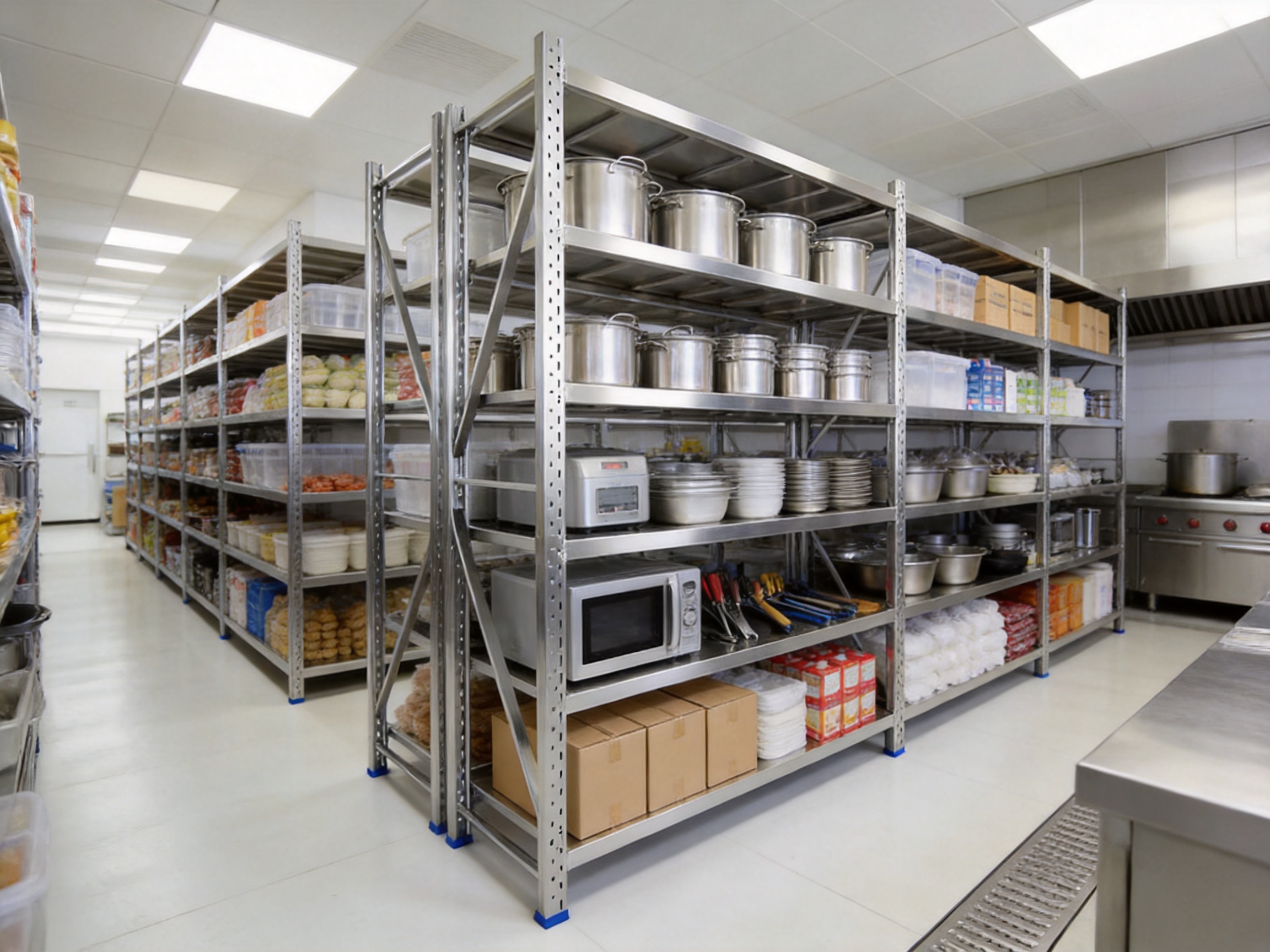
Applications in Commercial Kitchens and Food Storage
Commercial kitchens require storage that is strong, easy to clean, and resistant to moisture and grease. Stainless steel shelving is commonly selected for dry goods, cookware, food containers, small appliances, packaging materials, cleaning supplies, and back-of-house inventory.
The adjustable layout allows kitchens to separate products by category. Heavy pots and appliances can be stored on lower levels, while frequently accessed containers can be placed at ergonomic working heights. Ingredients and supplies can be organized according to use frequency, preparation station, or food safety procedure.
Because stainless steel is non-porous and easy to wipe, it supports regular cleaning routines. The open design also allows air circulation and visibility around stored items. Kitchens can benefit from a more organized environment, reduced clutter, and improved access to equipment.
Before using the shelves in a food-related facility, buyers should confirm that the material, finish, cleaning procedure, and installation arrangement meet the applicable local regulations and internal hygiene standards.
Applications in Warehouses and Distribution Areas
Warehouses need storage systems that use vertical space efficiently and withstand repeated loading and unloading. The rack can be used for cartons, spare parts, tools, packaging supplies, components, maintenance materials, and inventory that does not require pallet-rack storage.
Its adjustable levels allow warehouse managers to organize items by product size, stock turnover, weight, or picking frequency. Heavier products can be positioned near the bottom, while fast-moving products can be placed at accessible heights.
Open shelves improve product visibility and can support manual picking operations. Workers can identify product labels more easily than they might in a disorganized floor-stacking arrangement. Better organization may also reduce unnecessary walking, searching, and handling.
For warehouses with forklifts, pallet trucks, or other material-handling equipment, the rack should be positioned away from impact zones or protected with suitable barriers. The stated load capacity must not be treated as a substitute for a complete warehouse safety plan.
Applications in Clean Rooms and Industrial Facilities
Clean rooms and controlled production areas require storage equipment that can be cleaned efficiently and does not easily shed paint or rust. Stainless steel offers a clean, professional surface suitable for equipment, components, containers, instruments, and production supplies.
The absence of a conventional painted coating can be an advantage in areas where flaking or chipped paint would be undesirable. The smooth surface also supports wipe-down procedures and visual inspection.
Industrial facilities can use the rack for maintenance tools, machine parts, packaging materials, and process-related equipment. Its heavy-duty capacity and reinforced structure make it more suitable for industrial use than many household storage products.
Actual suitability for a controlled environment depends on the required cleanliness classification, surface finish, room protocol, chemical exposure, and facility standards. Buyers should discuss these requirements with the supplier before placing a project order.
Applications in Offices, Garages, and Homes
Although the rack is designed for professional applications, it can also provide value in offices, garages, utility rooms, basements, laundry areas, and homes. It can store archive boxes, tools, appliances, sports equipment, cleaning products, pantry supplies, and household goods.
Home users benefit from the same characteristics that make the rack useful in industrial environments: strong shelves, corrosion resistance, adjustable heights, and easy cleaning. In a garage or workshop, stainless steel can withstand contact with dust, moisture, and ordinary maintenance materials better than some low-cost furniture products.
In an office storeroom, adjustable shelves can organize stationery, archived files, promotional goods, and equipment. In a home kitchen or pantry, the rack can hold bulk supplies and appliances while maintaining a neat and accessible layout.
Advanced Manufacturing Capabilities
The performance of a storage rack depends on the quality of its material and the consistency of its manufacturing process. Shanghai King Global Shelf Co., Ltd. is an established shelving and storage manufacturer with experience in product development, production, quality control, and market service.
The company was founded in 2010 and operates a production base covering approximately 60,000 square meters. With more than 300 employees, it has the organizational capacity to support standard products as well as OEM and ODM projects for different markets.
An integrated manufacturing system helps connect several stages of product development. These stages include design planning, material selection, component production, structural assembly, quality inspection, packaging, and customer service. Coordinating these activities within one professional manufacturing system can improve communication and reduce the risk of inconsistency between design intent and finished products.
For stainless steel shelving, important production considerations include accurate cutting, forming, punching, welding where applicable, surface treatment, dimensional control, beam connection quality, and final structural inspection. Consistency is particularly important for modular shelves because uprights, beams, shelves, and hardware must fit together correctly during assembly.
Production quality also affects the load-bearing performance of the final rack. A well-designed structure requires accurate component dimensions and reliable connection points. Variations in hole spacing, beam length, column alignment, or surface finishing can make assembly more difficult and reduce confidence in the finished system.
Product Development and Engineering
A professional product development process begins with understanding how the rack will be used. The manufacturer must consider expected loads, shelf dimensions, material properties, assembly requirements, storage conditions, user handling, and transportation.
Engineering attention is required at connection points because these areas transfer loads between components. The punched uprights, beam claws, reinforced beams, and foot assemblies must function together. Product development should also consider how users adjust shelf heights and how the rack remains stable after reconfiguration.
OEM and ODM capabilities allow customers to request modifications for their market or project. Depending on the requirements, customization may involve dimensions, shelf levels, surface treatment, packaging, labeling, structural details, or product combinations.
Quality Control and Inspection
Quality control is important throughout production rather than only at the end. Incoming material checks can confirm that stainless steel and other components meet the expected specifications. In-process inspections can verify dimensions, punched hole positions, beam forming, surface condition, and connection quality.
Final inspections may include visual checks, assembly verification, dimensional measurements, packaging review, and load-related evaluation according to the applicable product requirements. These procedures help identify manufacturing issues before shipment.
For international customers, consistent quality control is especially valuable. Products may travel long distances and be installed by different teams in different markets. Clear specifications, stable manufacturing processes, and suitable packaging help reduce problems during delivery and installation.
Production Capacity and Export Experience
The company’s products are exported to North America, Southeast Asia, Japan, South Korea, the Middle East, Europe, and other regions. Experience serving multiple markets can help a manufacturer understand different customer expectations, packaging requirements, communication practices, and project schedules.
A large production base and experienced workforce can also support repeat orders, product series development, and larger commercial projects. For distributors and contractors, manufacturing capacity may be important when stable supply is required across multiple locations.
OEM and ODM Support for Customized Storage Solutions
Standard shelving is suitable for many applications, but some projects require a customized solution. Available floor space, ceiling height, product dimensions, local regulations, handling methods, and branding requirements may vary from one customer to another.
OEM and ODM support can help buyers develop products for specific markets or applications. A customer may require a special shelf width, different height, modified load requirements, a particular finish, private labeling, custom packaging, or integration with other storage products.
Customization should begin with accurate project information. Buyers should provide the intended use, approximate loads, product dimensions, available space, environmental conditions, preferred access method, order quantity, and delivery destination. This information allows the manufacturer to recommend an appropriate structure rather than simply modifying a standard product without considering the complete application.
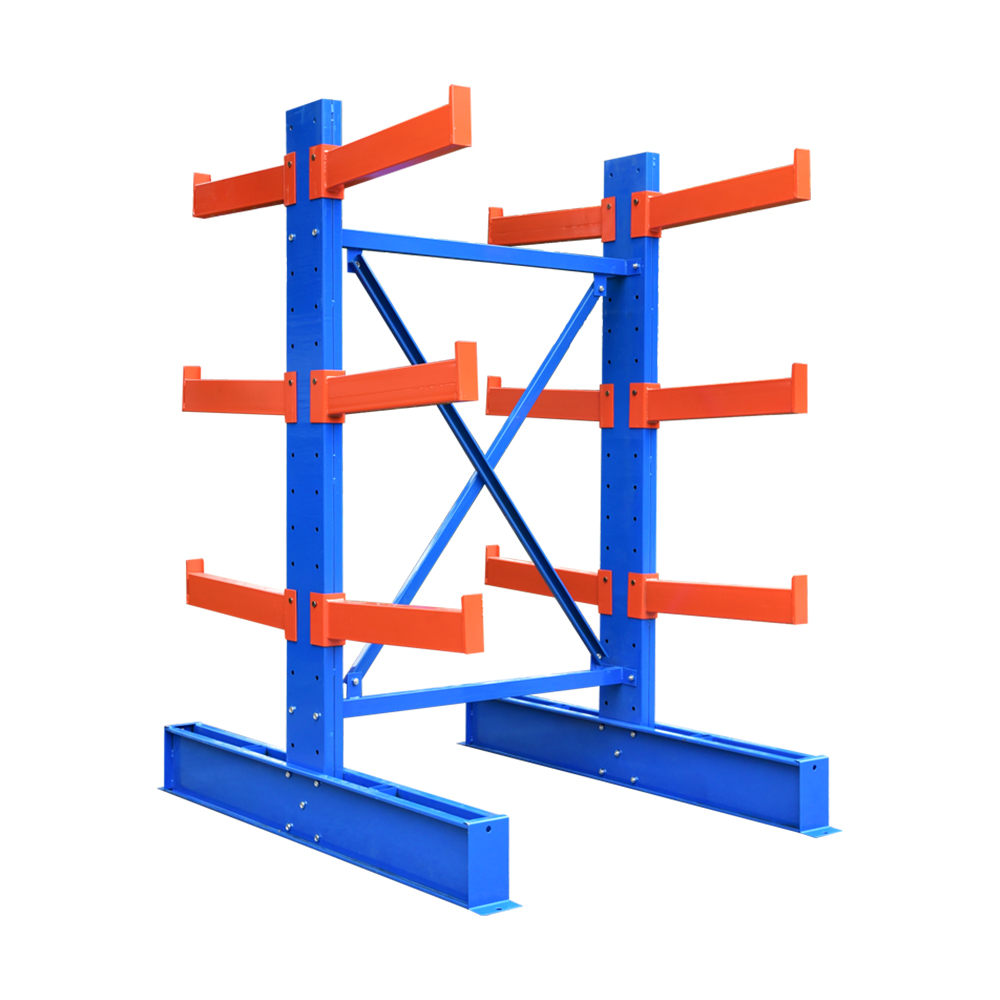
A professional supplier can also help customers develop related product lines. For example, a distributor may combine stainless steel shelving with pallet racking, cantilever racks, supermarket shelves, office shelves, or mezzanine storage systems. A coordinated product portfolio can make it easier to serve warehouses, stores, offices, kitchens, and homes under one sourcing program.
How to Plan a Stainless Steel Shelving Installation
Successful installation begins with measuring the available space. Users should record the room length, width, ceiling height, door openings, columns, pipes, electrical equipment, ventilation systems, and walking paths. These details help determine the appropriate rack dimensions and shelf arrangement.
The floor should be examined before installation. It must be stable, level, and capable of supporting the combined weight of the rack and stored goods. Uneven floors may affect stability and should be addressed before loading.
Storage products should be grouped by size, weight, frequency of use, and handling method. Heavy items should generally be stored on lower shelves, while frequently accessed items should be positioned where workers can handle them safely. Products should not extend dangerously beyond the shelf edge or block aisles, doors, fire equipment, lighting, or ventilation.
After assembly, the rack should be checked for level alignment, fully engaged beam connections, secure foot caps, and any signs of movement. The rack should then be loaded gradually rather than immediately filled with the heaviest products.
Maintenance Recommendations
Regular maintenance helps preserve the rack’s appearance and structural performance. Users should periodically inspect the uprights, beams, shelf surfaces, foot caps, and connection points. Any bent, cracked, loose, or damaged component should be removed from service and evaluated before continued use.
Cleaning should be performed with a soft cloth, warm water, and a suitable mild detergent. After cleaning, the surface should be dried if necessary, particularly in humid areas. Abrasive pads, harsh acids, and unsuitable chlorine-based products should be avoided unless specifically approved for the stainless steel grade and finish.
Loads should be distributed evenly across each shelf. Concentrated loads placed at one point may create greater stress than the same total weight spread across the surface. Users should observe the specified capacity and avoid adding unauthorized components that could affect stability.
If the rack is moved, it should be unloaded first. Dragging a fully loaded rack may damage the feet, floor, frame, or beam connections. After relocation, the rack should be leveled and inspected before being returned to service.
Safety Considerations
Heavy-duty shelving should be treated as industrial equipment rather than ordinary furniture. Users should follow the supplier’s instructions and applicable local safety requirements. The rack should not be overloaded, climbed, used as a ladder, or modified without proper engineering review.
Storage areas should have clear aisles and adequate lighting. Frequently handled products should be stored at safe working heights. Heavy or unstable goods should not be placed where they can fall onto workers or obstruct emergency routes.
Where the rack is tall, heavily loaded, located in a seismic region, or exposed to impact risks, anchoring or additional protection may be required. The appropriate solution depends on the site conditions and local regulations.
Users should also consider the interaction between the rack and nearby equipment. Forklifts, pallet trucks, carts, doors, and moving machinery should not strike the shelving. Protective barriers may be needed in high-traffic warehouse areas.
Purchasing Considerations for Distributors and End Users
Buyers should evaluate more than the initial purchase price. A low-cost shelf may require frequent replacement, more maintenance, or additional units because of its lower load capacity. A heavy-duty stainless steel rack may offer better value over its service life, particularly in demanding environments.
Important purchasing questions include the actual load requirement, environmental conditions, required dimensions, adjustment range, assembly method, surface finish, packaging, delivery schedule, replacement parts, and customization options.
Distributors should also consider whether the manufacturer can support repeat orders and maintain consistent product specifications. A stable supplier can help reduce variation across different shipments and support a broader product range.
Project buyers should request technical information and confirm that the stated load capacity applies to the proposed configuration. They should also clarify whether the capacity assumes evenly distributed loads, specific shelf spacing, or particular installation conditions.
Why Choose an Experienced Manufacturer
An experienced manufacturer can provide advantages that are difficult to obtain from a trading company offering unrelated products. Product knowledge, production control, engineering support, and after-sales communication are all important when purchasing storage equipment.
Shanghai King Global Shelf Co., Ltd. specializes in shelving and storage products for supermarkets, warehouses, offices, homes, and commercial facilities. Its product portfolio includes warehouse racks, pallet racking, mezzanine racking, cantilever racks, supermarket shelves, office shelving, home shelves, and stainless steel storage systems.
This broad product experience allows the company to understand how different storage systems work together. A warehouse may need pallet racking for bulk goods, shelving for smaller inventory, cantilever racks for long materials, and mezzanine storage for additional floor area. A supermarket may need display shelving and back-room storage. A professional manufacturer can help customers consider the complete storage environment instead of treating each shelf as an isolated product.
The company’s integrated development, manufacturing, quality control, and service system supports both standard products and customized solutions. Its international export experience and production resources also make it suitable for distributors, contractors, commercial buyers, and OEM customers seeking a long-term supply partner.
Conclusion
Stainless Steel Storage Rack Shelves for Kitchen & Warehouse offer a strong combination of load capacity, corrosion resistance, hygiene, flexibility, and ease of maintenance. With up to 500 kilograms of capacity per layer, solid punched uprights, reinforced beams, thickened beam claws, adjustable shelf heights, tool-free assembly, and anti-toppling foot caps, the product is designed for demanding storage conditions.
Compared with lightweight shelving or ordinary painted steel racks, stainless steel provides a more durable and easier-to-clean surface for humid, greasy, frequently washed, or highly visible environments. Its adjustable design also supports changing inventory needs and helps users make better use of vertical space.
The value of the rack is strengthened by the manufacturer’s experience in product development, integrated production, quality control, OEM and ODM support, and international supply. With a large production base, experienced workforce, and broad storage product portfolio, Shanghai King Global Shelf Co., Ltd. can provide both individual shelving products and coordinated storage solutions for different markets.
For kitchens, warehouses, clean rooms, workshops, offices, garages, and homes, a well-engineered stainless steel rack can improve organization, storage density, cleanliness, and long-term operating efficiency. When correctly selected, installed, loaded, and maintained, it becomes more than a shelf: it becomes a durable part of the facility’s storage infrastructure.
Questions and Answers
What is the maximum load capacity of each shelf?
The stated load capacity is up to 500 kilograms per layer. The actual safe capacity depends on the rack configuration, shelf spacing, installation conditions, load distribution, and applicable safety requirements. Loads should be distributed evenly and should not exceed the supplier’s approved specifications.
Is this rack suitable for commercial kitchens?
Yes. Stainless steel construction, corrosion resistance, smooth surfaces, adjustable shelf heights, and easy cleaning make the rack suitable for many commercial kitchen and food storage applications. Buyers should still confirm that the selected material and configuration meet local hygiene and facility requirements.
Can the shelf heights be adjusted?
Yes. The punched upright design allows shelf levels to be adjusted to accommodate products of different heights. This helps users improve vertical space utilization and reorganize the rack as storage needs change.
Does assembly require special tools?
The product uses punched hardware designed for tool-free assembly. Users should follow the supplied instructions and check every connection before loading the rack. Depending on the installation environment, additional anchoring or protective measures may be required.
How should stainless steel shelves be cleaned?
Use a soft cloth or sponge with water and a mild detergent. Remove grease, dust, and spills promptly, then dry the surface when appropriate. Avoid abrasive materials and harsh chemicals that may damage the finish or affect the stainless steel.
Can the rack be used in a humid warehouse or garage?
Yes. Stainless steel is naturally resistant to rust and corrosion, making it suitable for many humid environments. However, the rack should not be exposed continuously to unsuitable chemicals, standing water, or conditions beyond the material’s intended application.
What types of products can be stored on the rack?
The rack can hold industrial tools, equipment, cartons, bulk goods, kitchen supplies, containers, appliances, packaging materials, spare parts, household products, and other properly sized items. Heavy products should generally be stored on lower levels and distributed evenly.
Can the product be customized?
OEM and ODM services are available for customers requiring customized storage solutions. Potential customization may include dimensions, shelf arrangements, finishes, packaging, labels, and other project-specific requirements. Customers should provide detailed application information before requesting a quotation.
Is the rack suitable for clean rooms?
The stainless steel surface and easy-clean design can be suitable for many clean-room and controlled production applications. Final suitability depends on the required cleanliness level, surface finish, chemical exposure, and facility procedures. These details should be confirmed before purchase.
What information should buyers provide when requesting a quotation?
Useful information includes the required rack dimensions, number of levels, expected load per shelf, product sizes, installation environment, quantity, surface requirements, delivery destination, packaging needs, and whether private labeling or other customization is required.
References
1. Product specifications and technical information supplied for Stainless Steel Storage Rack Shelves for Kitchen & Warehouse.
2. Manufacturer information supplied for Shanghai King Global Shelf Co., Ltd., including company history, production capabilities, product categories, and OEM/ODM services.
3. General principles of industrial shelving design, load distribution, storage planning, and workplace organization.
4. General stainless steel care and maintenance practices for commercial and industrial equipment.
5. General warehouse storage safety principles concerning load limits, aisle clearance, equipment impact protection, and rack inspection.


 English
 Español
 русский
 Français
 한국어
 عربى
 ไทย
 Deutsch
 Bahasa Melayu
 Português
 Polskie